Jump to What You Need
Let's cut to the chase: washing pillows isn't just about freshness—it's about health, longevity, and saving money. I've been cleaning homes for over a decade, and pillows are the most neglected item. Most people toss them in the washer without a second thought, then wonder why they come out lumpy or ruined. This guide will show you how to wash pillows correctly, tailored to each type, from down to memory foam. By the end, you'll know exactly what to do, and more importantly, what to avoid.
Why Washing Pillows Matters More Than You Think
Think about it. You spend a third of your life with your face pressed against a pillow. Over time, it collects sweat, dead skin, dust mites, and allergens. The American College of Allergy, Asthma & Immunology notes that pillows can harbor significant allergens if not cleaned regularly. But here's a non-consensus point: washing too often can be just as bad as never washing. Synthetic pillows might handle monthly washes, but down pillows? Twice a year is plenty. Over-washing breaks down fibers and reduces loft.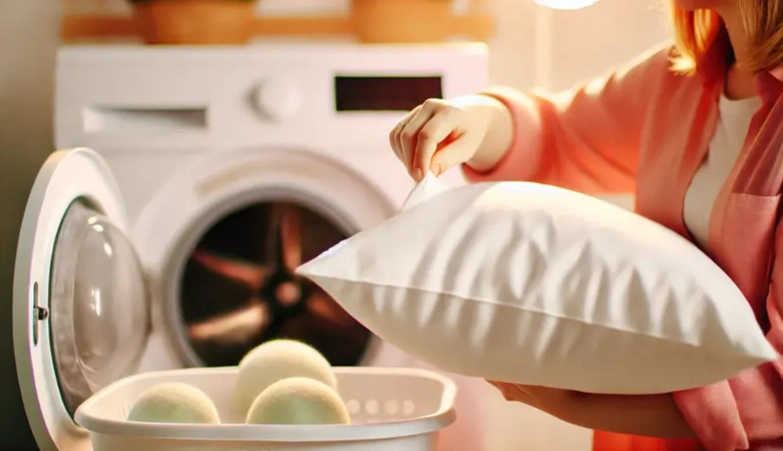
Quick fact: A study referenced by Good Housekeeping found that after two years, up to 10% of a pillow's weight can be dust mites and their droppings. Yuck.
I learned this the hard way. Early in my career, I washed a client's down pillow every month because they insisted. After six months, it was flat as a pancake. The feathers lost their resilience. Now, I recommend a balance: clean for hygiene, but preserve the material.
How to Wash Different Pillow Types: A Quick Reference
Not all pillows are created equal. Washing a memory foam pillow like a cotton one is a recipe for disaster. Here's a breakdown based on my experience.
| Pillow Type | Can You Machine Wash? | Key Steps | Frequency |
|---|---|---|---|
| Down or Feather | Yes, but gently | Use mild detergent, two pillows for balance, extra rinse | Every 6 months |
| Memory Foam | No | Spot clean only, air dry thoroughly | As needed (stains) |
| Synthetic (Polyester) | Yes | Warm water, gentle cycle, avoid fabric softener | Every 3-4 months |
| Latex | Hand wash only | Mild soap, rinse well, never wring | Every 6 months |
| Buckwheat or Millet | No | Empty filling, wash cover only | Monthly (cover) |
See that? Memory foam is a hard no for machine washing. I've seen people try it—the foam absorbs water, becomes heavy, and never dries properly, leading to mold. It's a total loss.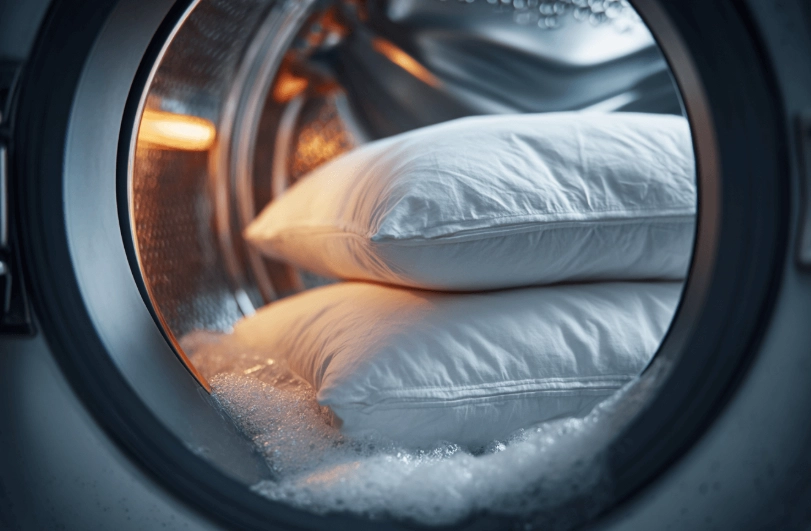
Down and Feather Pillows: The Delicate Ones
These are tricky. Use a front-loading washer if possible; agitators in top-loaders can tear the fabric. Add two tennis balls in dryer balls to fluff them up. A pro tip: add a half-cup of white vinegar to the rinse cycle. It breaks down detergent residue and kills odors without harsh chemicals.
Memory Foam Pillows: Handle with Care
Never submerge memory foam. For spills, blot with a damp cloth and mild soap. Let it air dry completely—this can take 24 hours. If it smells musty, sprinkle baking soda, wait an hour, then vacuum. I once had a client sun-dry their memory foam pillow; the heat damaged the foam. Avoid direct sunlight.
Synthetic Pillows: The Easygoing Type
Polyester pillows are forgiving. Use warm water and a gentle cycle. Skip fabric softener—it coats fibers and reduces absorbency. For stains, pretreat with a mix of baking soda and water before washing.
The Step-by-Step Pillow Washing Process
Here's my go-to method for machine-washable pillows. It works for down and synthetic types.
Step 1: Check the label. Always start here. If it says "dry clean only," consider professional cleaning. But for most, hand or machine wash is fine.
Step 2: Prep the pillow. Remove any covers or protectors. Inspect for tears—stitch them up first. I use a needle and thread; duct tape is a temporary fix but can melt in the wash.
Step 3: Load the washer. Wash two pillows at a time to balance the load. Use a mild, liquid detergent. Powder detergents can clump. Set to gentle cycle with warm water (hot water can shrink fabrics).
Step 4: Rinse thoroughly. Run an extra rinse cycle. Detergent leftover makes pillows stiff. That vinegar trick? It helps here.
Step 5: Dry with patience. This is critical. I'll cover drying in detail next.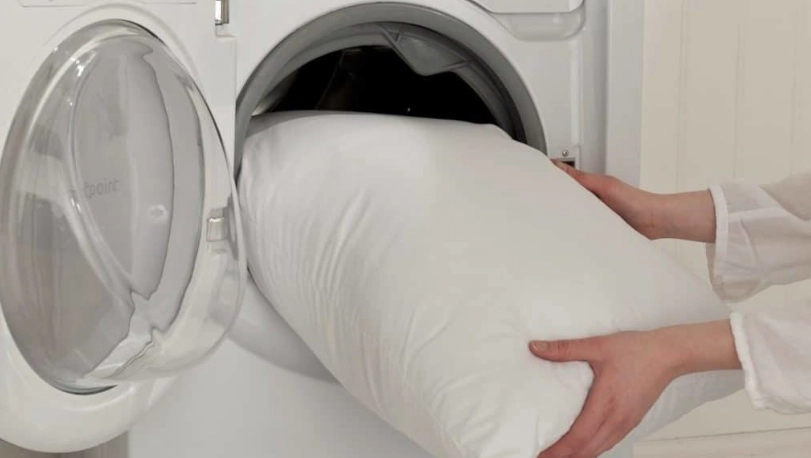
I messed up once by using too much detergent. The pillows came out soapy and took forever to dry. Lesson learned: less is more.
Common Mistakes That Ruin Pillows
Everyone makes errors, but these are the big ones I see repeatedly.
- Using bleach: It weakens fibers and can discolor pillows. For whitening, use oxygen-based bleach sparingly.
- Overloading the dryer: Pillows need space to tumble. One or two at a time max.
- Skipping the extra rinse: Residue causes allergies and stiffness.
- Washing memory foam: Just don't. It's not worth the risk.
- Ignoring drying time: Damp pillows grow mold. Always ensure they're bone-dry.
A client once told me their pillow smelled worse after washing. Turns out, they didn't dry it fully, and mold set in. Had to toss it.
How to Dry Pillows Properly (This is Where Most Fail)
Drying is 80% of the battle. Use a dryer on low heat. High heat can melt synthetic fibers or scorch down. Add dryer balls or tennis balls to break up clumps. Check every 30 minutes. Fluff them by hand to redistribute filling.
For down pillows, drying can take 2-3 hours. Be patient. If you're in a humid climate, consider air-drying indoors with a fan. Sun-drying is okay for cotton covers but avoid for foam or down—UV rays degrade materials.
Here's a hack: after machine drying, let pillows sit out for a day in a well-ventilated area. Any residual moisture will evaporate. I do this with all my pillows, and they last years longer.
Your Pillow Washing Questions Answered
 Washing pillows isn't rocket science, but it requires attention to detail. Start with the type, follow the steps, and avoid the common pitfalls. Your pillows will thank you with better support and a cleaner sleep. Got more questions? Drop a comment—I've probably seen it all in my years of cleaning.