Quick Guide to Washing Your Baseball Cap
Let's cut to the chase. Washing a baseball cap isn't rocket science, but get it wrong, and you'll end up with a shrunk, misshapen mess. I've been cleaning caps for over a decade—from vintage wool ones to modern performance polyester—and I've learned the hard way what works and what doesn't. In this guide, I'll share step-by-step methods that actually preserve your cap, based on my own trials and advice from cleaning pros like those at the American Cleaning Institute. No fluff, just actionable tips.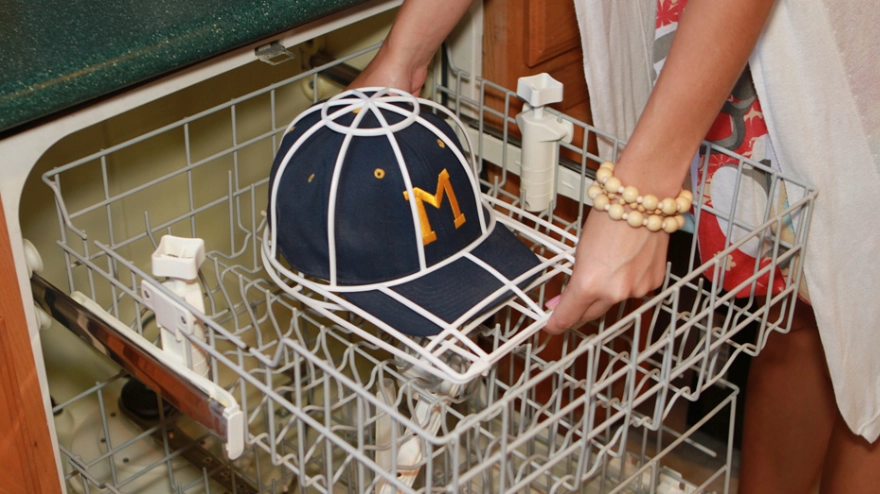
How to Hand Wash a Baseball Cap
Hand washing is my go-to for most caps, especially if they're expensive or have sentimental value. It's gentle and gives you control. Here's the exact process I use.
Gather Your Supplies
You don't need fancy gear. Grab a mild detergent (I prefer Woolite or a baby shampoo—they're gentle on fabrics), a soft-bristled brush (an old toothbrush is perfect), a bowl or sink, cool water, and a clean towel. Avoid harsh chemicals; they can fade colors faster than you'd think.
Step-by-Step Hand Washing Process
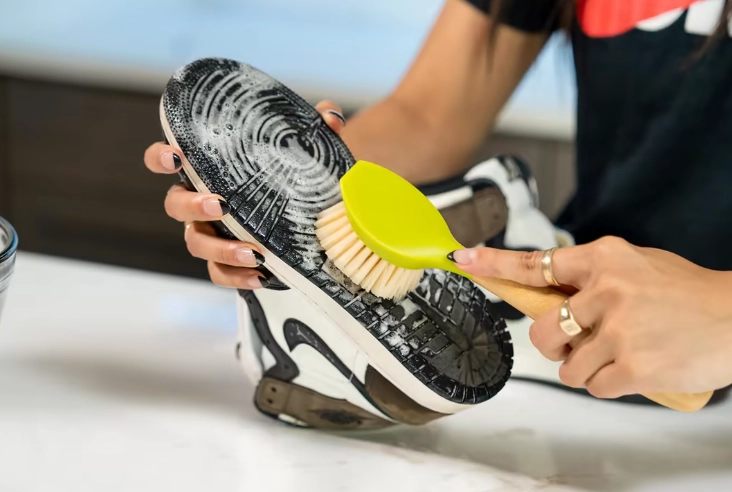
Fill the sink with cool water. Never use hot water—I once ruined a cotton cap by assuming warm was fine, and it shrank a full size. Add a teaspoon of detergent and mix it in. Submerge the cap and gently swish it around with your hands. For tough stains like sweat or dirt, use the soft brush to dab at the spot. Don't scrub aggressively; I learned that lesson when I faded a logo on my favorite cap.
Rinse under cool running water until the water runs clear. Gently squeeze out excess water—no wringing, or you'll bend the brim. Pat it with a towel to absorb moisture.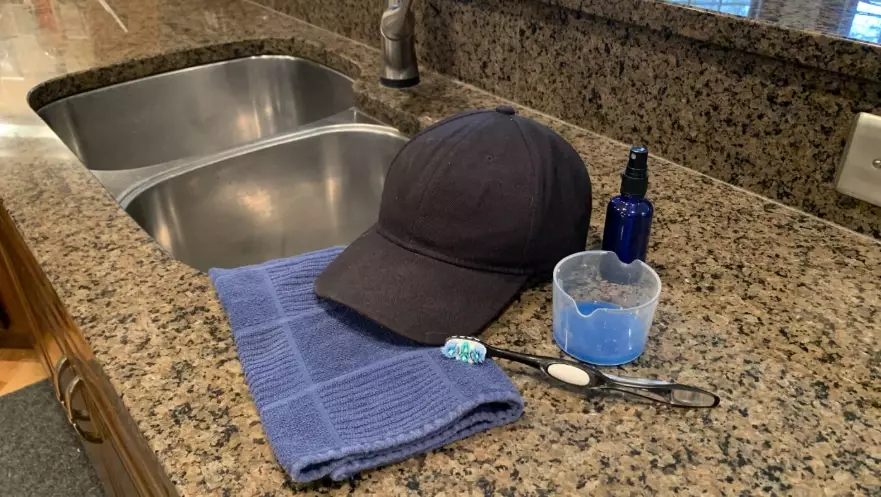
How to Machine Wash a Baseball Cap Safely
Yes, you can machine wash some caps, but it's a gamble. I only do this for durable polyester caps, and even then, with strict rules. Many guides say never machine wash, but that's outdated for modern materials.
Pre-Wash Preparations
First, check the care label. If it says "hand wash only," obey it. For machine-washable caps, place the cap in a mesh laundry bag or a pillowcase tied shut. This protects it from getting crushed or tangled with other items. I skipped this once, and my cap came out looking like a pancake.
Machine Settings and Tips
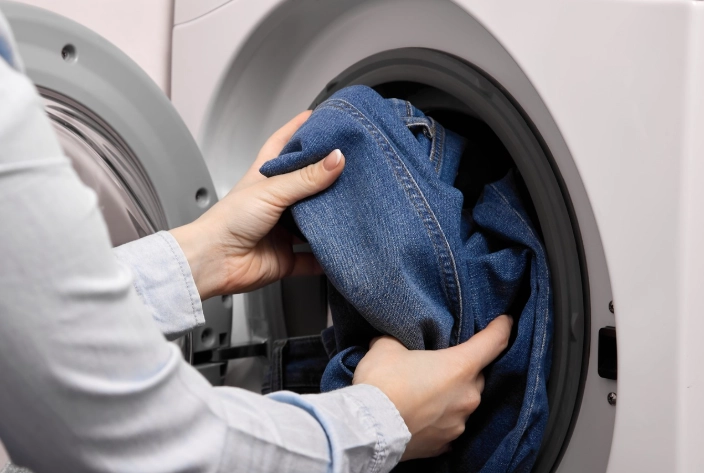
Use the gentle cycle with cold water. Cold water is key—the American Cleaning Institute notes it reduces shrinkage and color bleeding. Add a mild detergent, and skip bleach or fabric softeners; they can break down fabrics over time. Wash the cap alone or with similar lightweight items like t-shirts. Don't throw it in with jeans or towels; the agitation can deform the brim.
Here's a non-consensus view: Some experts say a top-loading washer without an agitator is safer, but I've had success with front-loaders on delicate settings. Just avoid heavy spin cycles.
Dealing with Different Cap Materials
Not all caps are the same. Treat them based on fabric, or you'll regret it. Here's my breakdown from experience.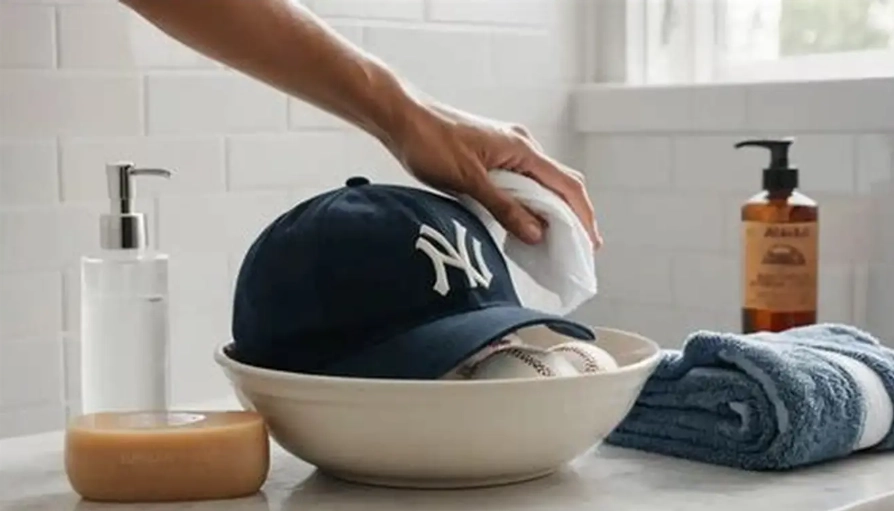
Cotton Caps
Cotton is common but tricky. It's absorbent and prone to shrinkage. Always hand wash in cool water. If you must machine wash, use the delicate cycle with cold water. I had a cotton cap that I machine-washed on warm—it fit my kid afterward, not me.
Polyester Caps
Polyester is durable and less likely to shrink. Machine washing on gentle is usually safe, but I still recommend cold water. These caps often have moisture-wicking properties, so avoid fabric softeners that can clog fibers.
Wool or Blended Caps
Wool requires extra care. Hand wash with a wool-specific detergent like Eucalan, and never wring it. Lay it flat to dry. For blends, check the label—if it's mostly synthetic, you might get away with gentle machine washing.
Here's a quick reference table I've compiled from testing various caps:
| Material | Best Washing Method | Critical Precautions |
|---|---|---|
| Cotton | Hand wash | Use cool water, air dry flat |
| Polyester | Machine wash (gentle cycle) | Cold water, use a laundry bag |
| Wool | Hand wash with wool detergent | No wringing, lay flat to dry |
| Blended Fabrics | Hand wash or gentle machine wash | Check care label, test a small area first |
Common Mistakes and How to Avoid Them
I've seen people make errors that seem minor but wreck caps. Let's go through the big ones.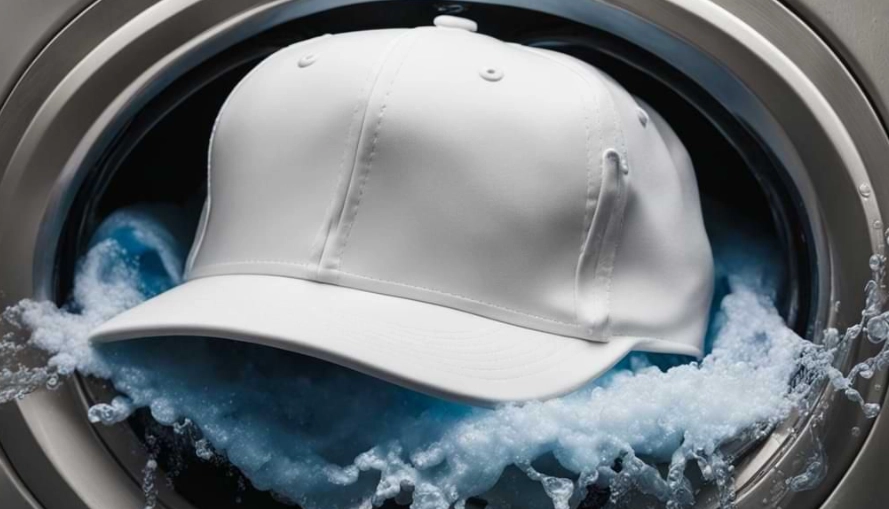
Using hot water: This is the top culprit for shrinkage. Stick to cool or cold water—every time. I learned this after shrinking a cap I loved; now I'm religious about it.
Overusing detergent: More soap doesn't mean cleaner. Excess detergent leaves residues that attract dirt and stiffen fabric. Use a small amount, like a teaspoon for hand washing.
Ignoring the brim: The brim is often made of plastic or cardboard and can warp easily. Support it during washing and drying. I once bent a brim while scrubbing, and it never snapped back.
Throwing it in the dryer: Just don't. The heat can melt glue, shrink fabric, and misshape the cap. Air dry always. My horror story: I tried the dryer on low heat, and the cap came out with a curled brim—unfixable.
Drying and Reshaping Your Cap
Drying is where many fail. Do it right, and your cap will look new.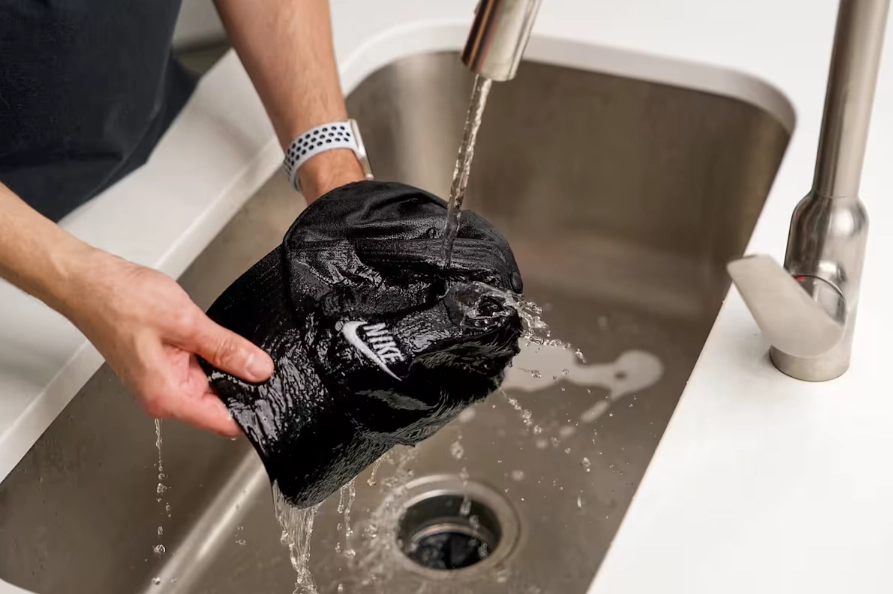
Air Drying Techniques
After washing, blot the cap with a towel to remove excess water. Don't rub—just press gently. Then, place it on a cap form or a rounded object like a coffee can, ball, or even a rolled-up towel. This helps maintain the crown shape. Let it air dry at room temperature, away from direct sunlight or heat sources. Sunlight can fade colors; I left a cap on a windowsill once, and the red turned pink.
Using a Cap Form or Ball
If you don't have a cap form, improvise. Stuff the crown with paper towels or a clean cloth to hold its shape. I use a softball—it's cheap and works perfectly for most caps. For brims, you can gently curve them over a bottle if they start to flatten. Be patient; drying can take 24 hours or more.
Never use a hair dryer or heater. The heat can shrink synthetic materials or weaken adhesives. I tried a hair dryer on low to speed things up, and the cap developed a weird texture.
Frequently Asked Questions
 Washing a baseball cap might seem like a small task, but it's all about the details. Follow these methods, avoid the common pitfalls, and your cap will stay fresh and functional for seasons to come. Remember, patience pays off—rush it, and you'll likely need a new cap. Happy cleaning!