Let's cut to the chase: washing sneakers can be a nightmare if you do it wrong. I've seen too many people toss their favorite kicks in the washer only to end up with shrunken, discolored messes. But get it right, and your sneakers can look fresh for years. This guide dives deep into how to wash sneakers properly, covering every material and common pitfall. Whether you're dealing with leather, canvas, or mesh, I'll walk you through steps that actually work, based on my decade of sneaker collecting and cleaning mishaps.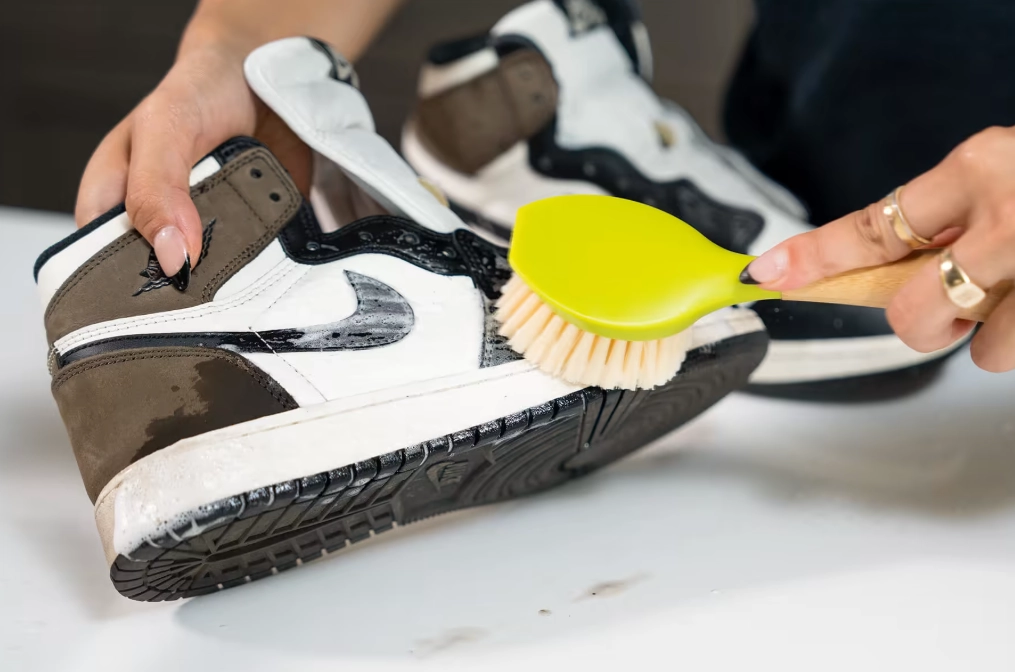
What You'll Learn in This Guide
Why Proper Sneaker Washing Matters
It's not just about looks. Dirty sneakers can harbor bacteria, cause odors, and even degrade materials faster. According to the American Podiatric Medical Association, maintaining clean footwear helps prevent foot infections and extends shoe life. I learned this the hard way when a pair of my running sneakers started smelling awful after months of neglect. Regular cleaning keeps them functional and stylish.
Know Your Sneaker Materials First
Before you even think about water, identify what your sneakers are made of. This is where most folks mess up. I've ruined a leather pair by treating it like canvas.
Leather Sneakers
Leather needs gentle care. Avoid soaking—it can crack or lose shape. Use a damp cloth with mild soap, like saddle soap. For scuffs, a specialized leather cleaner works wonders. Never use bleach or harsh chemicals.
Canvas Sneakers
Canvas is more forgiving but can shrink if washed hot. Hand-washing is best, though some canvas sneakers can handle a gentle machine cycle. Always check the label first.
Mesh and Synthetic Materials
Mesh sneakers are tricky because dirt gets embedded. A soft brush and lukewarm water are key. Avoid wringing them out; it damages the fibers.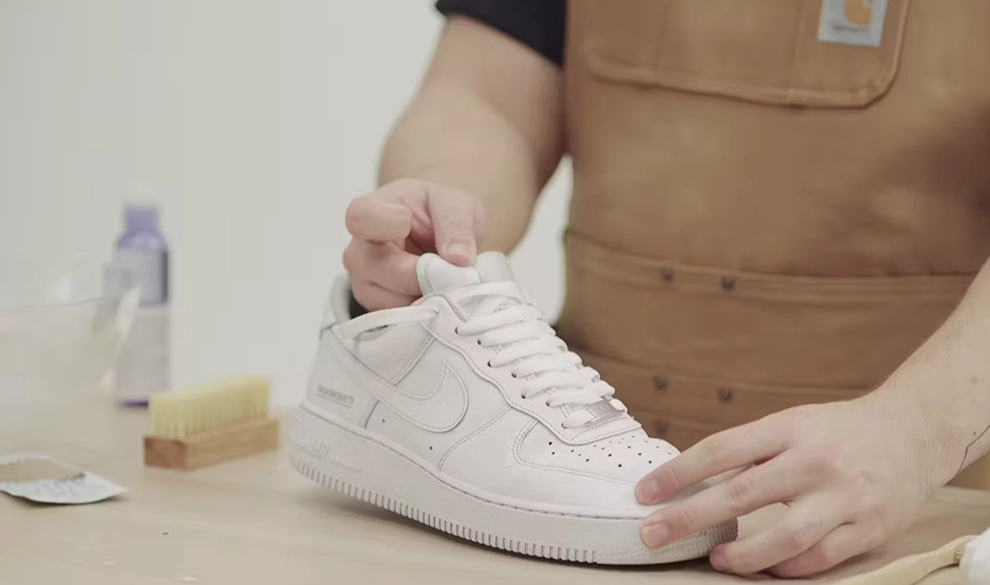
Pro Tip: If your sneakers have mixed materials, like leather with mesh accents, clean each part separately. Focus on the most delicate area first.
Step-by-Step Guide to Washing Sneakers
Here's a breakdown of methods I've tested over the years. Start with pre-cleaning to remove loose dirt.
Pre-Cleaning Preparation
Knock off dried mud with a soft brush. Remove laces and insoles—wash them separately in warm soapy water. For insoles, a mix of baking soda and water can deodorize. I always do this; it makes a huge difference.
Hand-Washing Method
Fill a basin with cool water and a few drops of mild detergent. Submerge the sneakers, scrub gently with a soft brush, focusing on stained areas. Rinse thoroughly under running water. Don't soak for more than 30 minutes to prevent glue breakdown.
Machine-Washing Method (If Safe)
Only use this for durable materials like canvas. Place sneakers in a mesh laundry bag to protect them. Use cold water on a gentle cycle with mild detergent. Avoid fabric softener—it can leave residues. I rarely recommend this because machines can beat up sneakers, but if you must, do it sparingly.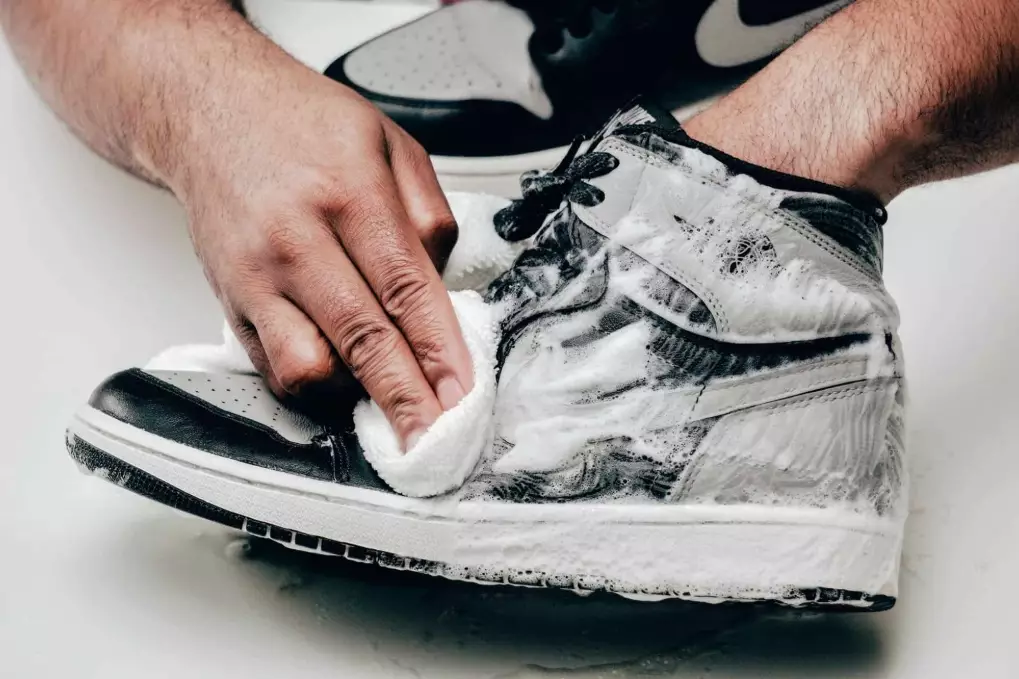
Drying Techniques
Air-dry is the only way. Stuff sneakers with paper towels or a dry cloth to absorb moisture and maintain shape. Keep them away from direct heat or sunlight, which causes yellowing. I once left white sneakers in the sun, and they turned cream-colored—lesson learned.
| Material | Recommended Cleaning Method | Drying Time | Risk Level |
|---|---|---|---|
| Leather | Hand-wash with damp cloth | 24-48 hours | High (if soaked) |
| Canvas | Hand-wash or gentle machine | 12-24 hours | Medium |
| Mesh | Hand-wash with soft brush | 18-36 hours | Low |
Common Mistakes and How to Avoid Them
I've made these errors myself, so listen up. First, using hot water—it shrinks materials and fades colors. Stick to cool or lukewarm. Second, skipping the pre-clean; dirt particles can scratch surfaces during washing. Third, over-soaking; it weakens adhesives and causes soles to separate. Limit soaking to 30 minutes max.
Another big one: using bleach or harsh cleaners. They might work on stains initially, but they degrade fabrics and cause discoloration over time. Opt for enzyme-based cleaners for organic stains like grass or blood.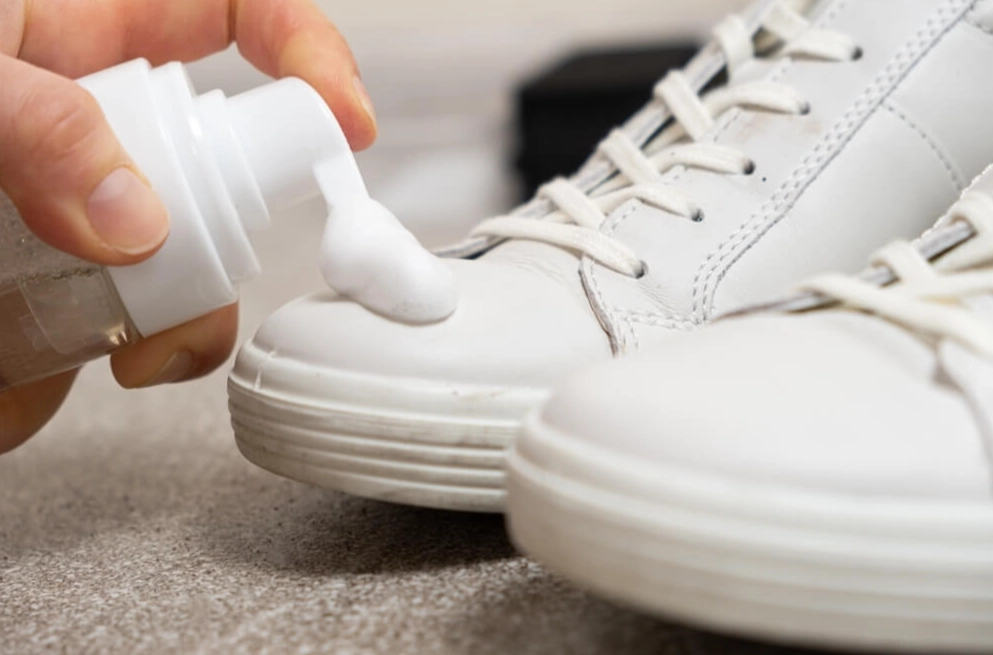
Advanced Tips for Stubborn Stains
For tough stains, act quickly. Grass stains? Use a mix of vinegar and water. Ink marks? Rubbing alcohol on a cotton swab. For yellowing soles on white sneakers, a paste of baking soda and hydrogen peroxide applied gently can help. Let it sit for an hour before rinsing. I've saved many pairs this way.
If stains persist, consider a specialized sneaker cleaning kit. Brands like Jason Markk offer products designed for different materials. But avoid over-scrubbing; it can wear out the fabric.
Frequently Asked Questions (FAQ)
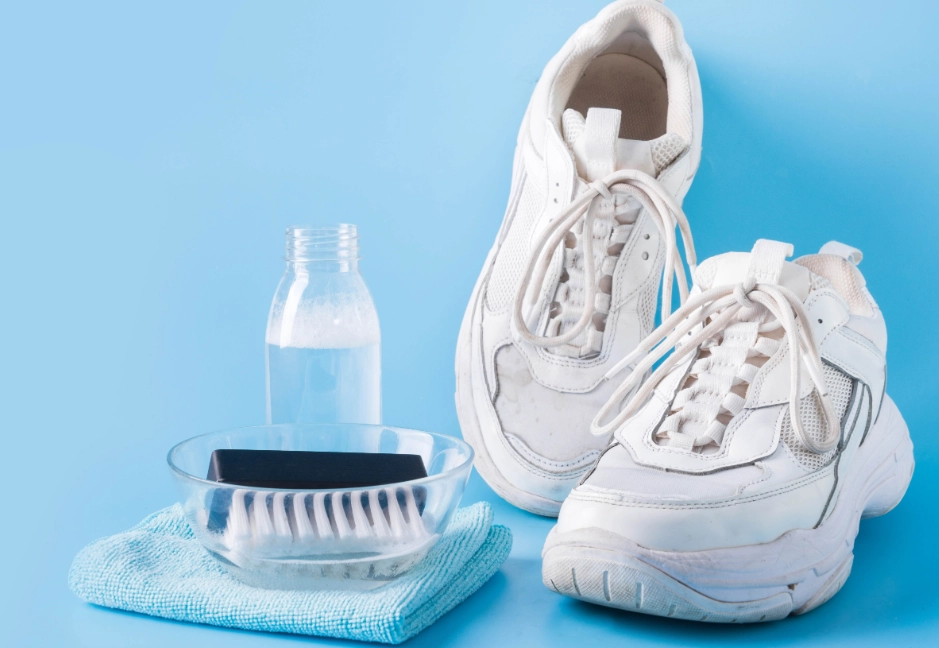 Wrapping up, washing sneakers doesn't have to be a chore. With the right techniques, you can keep your kicks looking sharp and lasting longer. Remember, always tailor your approach to the material, and don't rush the drying process. If you're unsure, test a small hidden area first. Happy cleaning!