You finally invested in a silk pillowcase. Your hair feels smoother, your skin seems less creased in the morning, and it just feels luxurious. Then the panic sets in. How do you wash this thing without turning it into a sad, wrinkled, faded shadow of its former self? I get it. I ruined my first expensive silk blouse years ago by throwing it in with my regular laundry. The memory still stings. But here's the good news: washing a silk pillowcase is simple once you know the rules. Do it right, and it'll last for years, getting softer with each gentle wash. Do it wrong, and well, let's just say you don't want to find out.
The core principle is this: treat silk like you'd treat your own hair. You wouldn't use harsh detergent, scalding water, or rough agitation on your hair, right? Same goes for silk.
What’s Inside This Silk Care Guide
- Why Getting the Wash Right is Non-Negotiable
- The Gold Standard: How to Hand Wash a Silk Pillowcase
- The Controlled Risk: Machine Washing Your Silk Pillowcase
- 5 Common Mistakes That Destroy Silk (Number 3 is Everywhere)
- Drying & Ironing: The Final, Crucial Steps
- Your Silk Pillowcase Questions, Answered
Why Getting the Wash Right is Non-Negotiable
Silk isn't just another fabric. It's a continuous protein filament spun by silkworms, primarily made of fibroin. This structure gives it that incredible strength, softness, and shine. It's also what makes it vulnerable.
Harsh chemicals, high heat, and mechanical friction break down these protein bonds. The result? The silk loses its tensile strength (becomes weak and prone to tears), the natural sheen turns dull, and the colors fade. I see people complaining online about their "low-quality" silk pillowcase pilling or tearing after a few months. Nine times out of ten, it's not the silk's fault—it's the washing method.
Proper care isn't about being fussy; it's about protecting your investment. A well-cared-for silk pillowcase can easily outlast a cheaper one that gets abused in the laundry.
The Gold Standard: How to Hand Wash a Silk Pillowcase
If you have five to ten minutes, hand washing is always the safest bet. It gives you complete control. Think of it as a mini spa session for your pillowcase.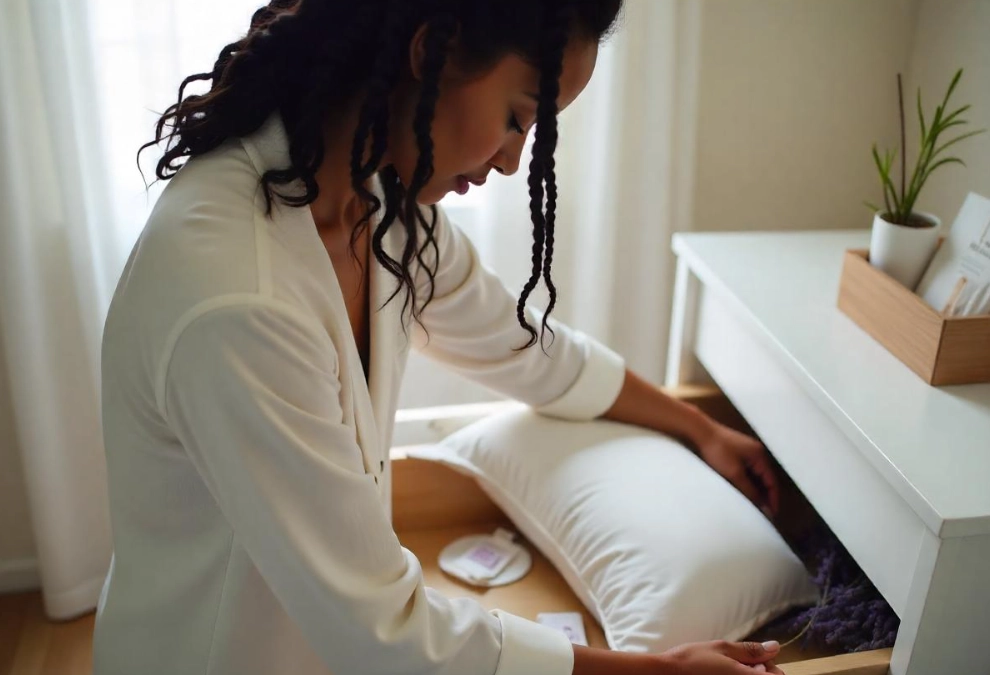
Step 1: The Right Setup & Supplies
Clear a clean sink or basin. You'll need:
- Lukewarm or cool water. Not hot. I aim for a temperature that feels neutral or slightly cool to my wrist—think baby bath water. Hot water sets stains and can cause silk to yellow.
- A pH-neutral, gentle detergent. This is critical. Regular laundry detergents are too alkaline. Look for detergents labeled for "delicates," "wool," or specifically "silk." Brands like The Laundress (Silk & Cashmere Wash), Eucalan, or even a drop of a mild, clear, sulfate-free baby shampoo work. Avoid anything with enzymes, whiteners, or brighteners.
- White vinegar (optional but helpful). A tablespoon in the final rinse helps dissolve any leftover detergent and restores a slight acidity to the silk, which helps maintain its luster.
Step 2: The Gentle Wash Process
Fill your basin with enough lukewarm water to submerge the pillowcase. Add a very small amount of your chosen detergent—half a teaspoon is often enough. Swirl to dissolve.
Submerge the pillowcase. Gently agitate it with your hands for 2-3 minutes. Don't twist, wring, or scrub. If there's a specific stain (like a bit of makeup), apply a tiny drop of detergent directly to the spot and gently rub the fabric against itself.
Step 3: The Rinse & Final Touch
Drain the soapy water. Refill the basin with fresh, cool water. Submerge the pillowcase and gently swish to rinse. Repeat this rinse once or twice until the water runs completely clear. If using vinegar, add it to the final rinse basin.
Pro Tip from Hard Experience: Always turn your silk pillowcase inside out before washing. This protects the outer, shiny surface from any minor friction against the basin or itself. It's a simple step most guides forget to mention, but it makes a visible difference in preserving the finish.
The Controlled Risk: Machine Washing Your Silk Pillowcase
I get it—life is busy. Hand washing isn't always feasible. You can machine wash silk, but you must treat your machine like a potentially hostile environment and take every precaution.
First, check the care label. If it says "Dry Clean Only," you're rolling the dice. Most modern, good-quality silk pillowcases are marked for hand or delicate machine wash.
Machine Washing Protocol
- Use a Mesh Laundry Bag. This is non-negotiable. A fine mesh bag (like one for lingerie) protects the silk from snagging on zippers, bra hooks, or even the drum itself. It significantly reduces friction.
- Turn the Pillowcase Inside Out. Same principle as hand washing.
- Select the Correct Cycle. Use the Delicate, Hand Wash, or Silk cycle on your machine. This uses slower agitation and slower spin speeds.
- Cold Water Only. Set the temperature to cold.
- Minimal, Gentle Detergent. Use the same pH-neutral detergent, but be even more sparing. A teaspoon is plenty.
- Wash Alone or With Similar Items. The best practice is to wash it alone. If you must combine, only include other delicate, smooth items (like a second silk item or some fine underwear). Never wash silk with towels, jeans, or anything rough.
I'll be honest: even with all these steps, machine washing introduces risk. The agitator in top-loading machines is particularly harsh. Front-loaders are generally gentler. Over hundreds of washes, the cumulative effect of even a delicate machine cycle will be more wear than hand washing.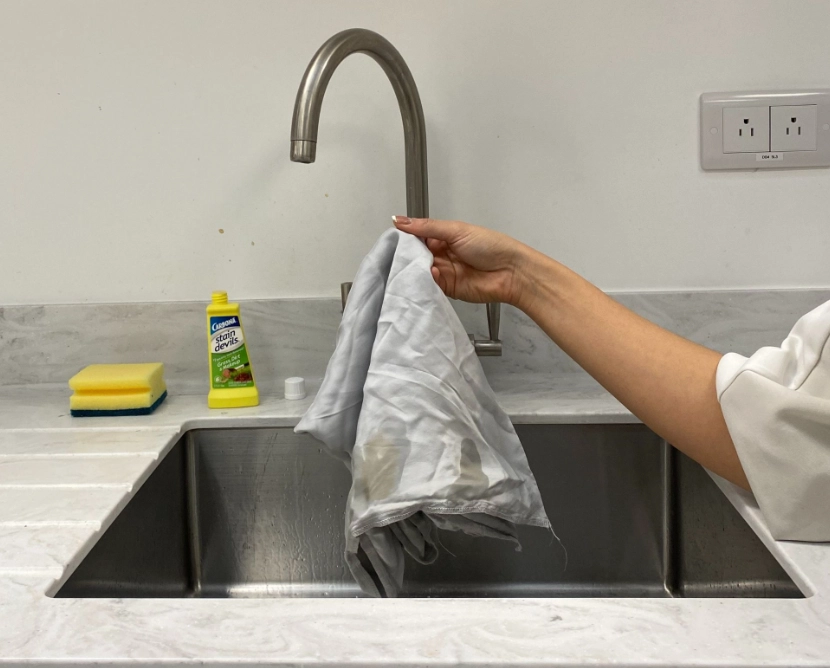
5 Common Mistakes That Destroy Silk (Number 3 is Everywhere)
1. Using Regular Laundry Detergent or Soap. The alkalinity in standard detergents is like pouring a mild acid on the protein structure of silk. It weakens the fibers, strips the sheen, and accelerates color loss.
2. Soaking for Hours or Overnight. Silk is not cotton. Prolonged soaking, especially in water with detergent, can weaken the fibers. 10-15 minutes is the absolute maximum I'd recommend.
3. Using Hair Shampoo or Conditioner as a "Hack." This advice is all over the internet, and it's mostly bad. While some mild, clear baby shampoos can work, most hair shampoos and conditioners contain silicones, heavy moisturizers, or fragrances designed to coat hair. These can leave a residue on silk that attracts dirt and makes the fabric feel stiff or tacky over time.
4. Wringing or Twisting to Remove Water. This is a surefire way to stretch, distort, and stress the fibers. Always press water out gently.
5. Drying in Direct Sunlight or on a Radiator. Intense heat and UV rays are brutal on silk. They cause fading and fiber degradation. Always dry in the shade or indoors.
Choosing Your Detergent: A Quick Comparison
| Detergent Type | Best For Silk? | Why / Why Not |
|---|---|---|
| Specialty Silk/Wool Wash (e.g., The Laundress) | Yes - Ideal | Formulated for protein fibers, pH-balanced, contains no harsh additives. |
| Mild Liquid Detergent for Delicates | Yes - Good | Look for "free & clear" variants without dyes, perfumes, or brighteners. |
| Clear, Sulfate-Free Baby Shampoo | Maybe - Use Caution | Can work in a pinch, but check for heavy moisturizers or silicones in the ingredients. |
| Regular Laundry Detergent/Pods | No | Too alkaline, contains enzymes and brighteners that damage silk. |
| Hair Conditioner or 2-in-1 Shampoo | No | Leaves coating, attracts dirt, alters fabric hand feel. |
Drying & Ironing: The Final, Crucial Steps
How you dry silk is just as important as how you wash it.
Never, ever put a silk pillowcase in the dryer. The tumbling and high heat will shrink, weaken, and likely ruin it.
After washing, gently press the pillowcase between your palms or against the side of the basin to remove excess water. Do not wring. Then, lay it flat on a clean, dry, color-fast towel. Roll the towel up with the pillowcase inside like a jelly roll and press gently to absorb more moisture. This is called "blocking" and helps prevent water spots.
Finally, lay the pillowcase flat on a drying rack (out of direct sunlight) or hang it from a line using two clamps to distribute the weight evenly. Avoid hanging it from a single point, as the weight of the water can stretch the fabric.
Ironing: If you need to iron, do it while the pillowcase is still slightly damp. Use the lowest heat setting ("Silk" or "Low"). Always iron on the reverse side (the side that touches your face) to prevent scorching or creating a shine on the outer surface. Using a pressing cloth is an extra-safe move.
Your Silk Pillowcase Questions, Answered
 Is it okay to use a little hot water to get out an oil stain?
Look, caring for silk isn't about following an arcane set of difficult rules. It's about understanding that this is a special, natural fiber that rewards gentle treatment. Skip the shortcuts and harsh chemicals. Give it five minutes of mindful hand washing, or take the extra precautions for the machine. Your silk pillowcase will repay you with years of comfort, beauty, and benefits. It's worth the little bit of extra effort.