Let's be honest. That gorgeous silk shirt or delicate scarf you love probably has a care label that just says "Dry Clean Only." And for years, I followed that rule religiously. Until I ruined a pale pink silk blouse by spilling an entire glass of red wine on it at a dinner party. The dry cleaner couldn't get the stain out completely. That's when I started experimenting, and after a decade of working with fine fabrics, I can tell you: most silk can be safely washed at home. The "dry clean only" tag is often more about liability than necessity. The real trick isn't whether to wash it, but knowing how to wash silk correctly. Get it wrong, and you'll end up with faded, stiff, or shrunken fabric. Get it right, and your silk will look vibrant and feel luxurious for decades.
What You'll Learn in This Guide
The Top Mistakes That Ruin Silk (And How to Avoid Them)
Before we get to the right way, let's talk about the quickest ways to destroy silk. I've seen all of these.
Using hot or warm water. Silk is a protein fiber, much like human hair. Pour hot water on it, and the fibers contract, leading to permanent wrinkles and shrinkage. Always, always use cold water.
Reaching for regular laundry detergent. The alkaline pH in standard detergents is too harsh. It strips silk of its natural sericin proteins, leaving it dull and rough. You need a pH-neutral cleaner.
Vigorously rubbing or wringing. Silk is strong when dry but loses about 20% of its strength when wet. Aggressive handling can tear the fibers or distort the garment's shape.
Drying in direct sunlight or on a radiator. Heat and UV rays are silk's enemies. They cause fading and weaken the fibers. A shaded, airy spot is key.
Assuming all silk is the same. A heavy silk dupioni can handle slightly more than a fragile silk chiffon. A printed silk might bleed. Always do a spot test first.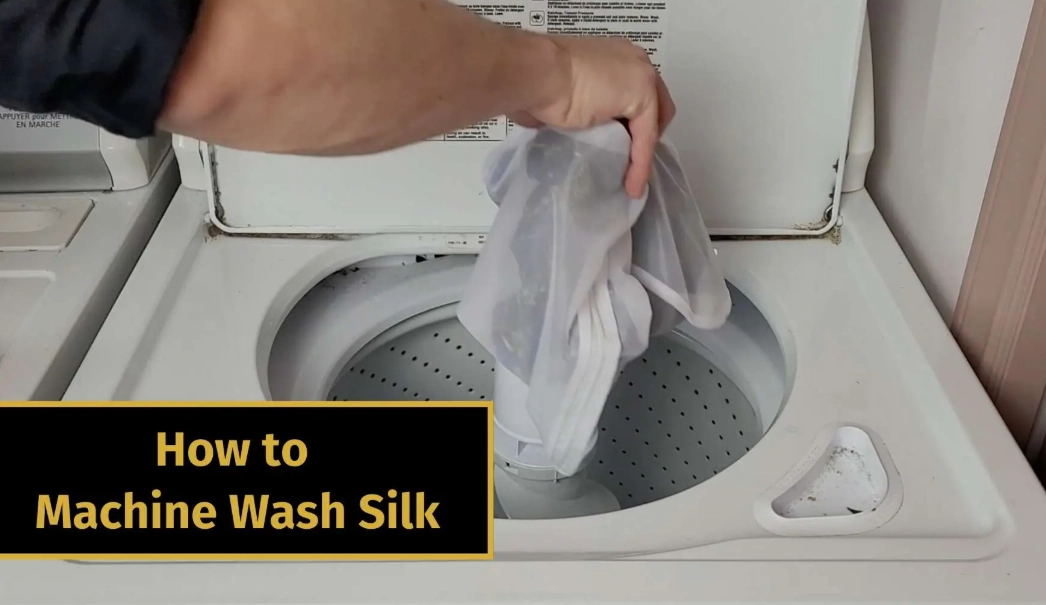
Step-by-Step: How to Hand Wash Silk Perfectly
Hand washing is the gold standard for silk laundry care. It gives you the most control. Here’s my detailed, tried-and-true method.
Gather Your Supplies
You don't need fancy equipment. A clean sink or basin, lukewarm-to-cool water (never hot!), and a specialized detergent. I recommend a silk & wool wash like Ecover Delicate Wash, The Laundress Fine Fabric Wash, or even a mild baby shampoo (Johnson's Baby Shampoo works in a pinch—it's pH-neutral). Have two clean, dry towels ready.
The Washing Process
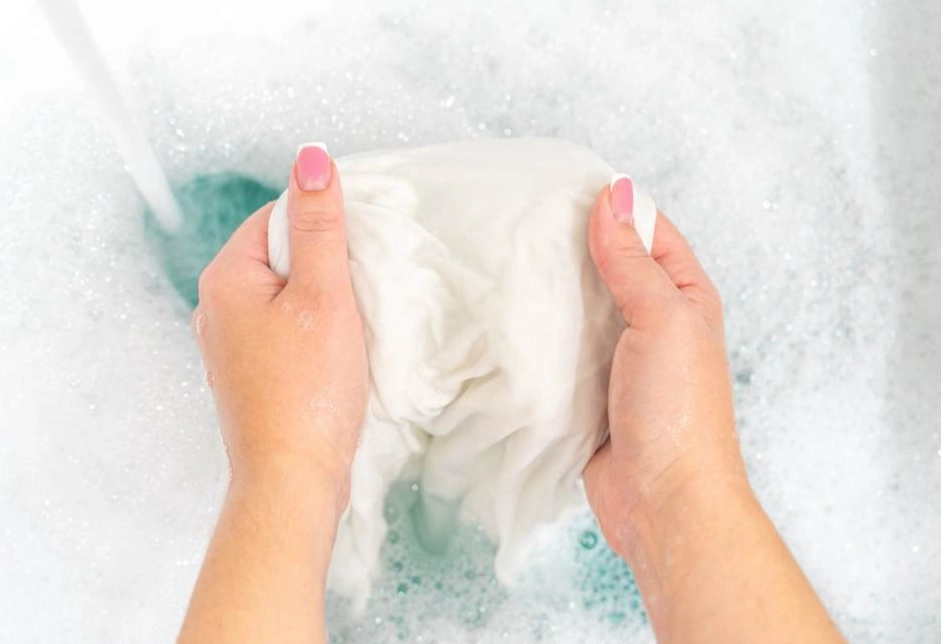
Fill your basin with cold water. Add a small amount of your chosen detergent—about a teaspoon for a blouse—and swish to dissolve. Submerge the silk garment. Gently agitate it with your hands, moving it through the water. Let it soak for 3 to 5 minutes, no longer. For stubborn areas like cuffs or collars, apply a drop of detergent directly and gently rub the fabric between your fingertips.
Drain the soapy water. Now, the critical part: rinsing. Refill the basin with fresh cold water. Submerge the garment and gently press the water through it to rinse. Do this 2-3 times until the water runs completely clear. Any soap residue left behind will attract dirt and make the silk feel stiff.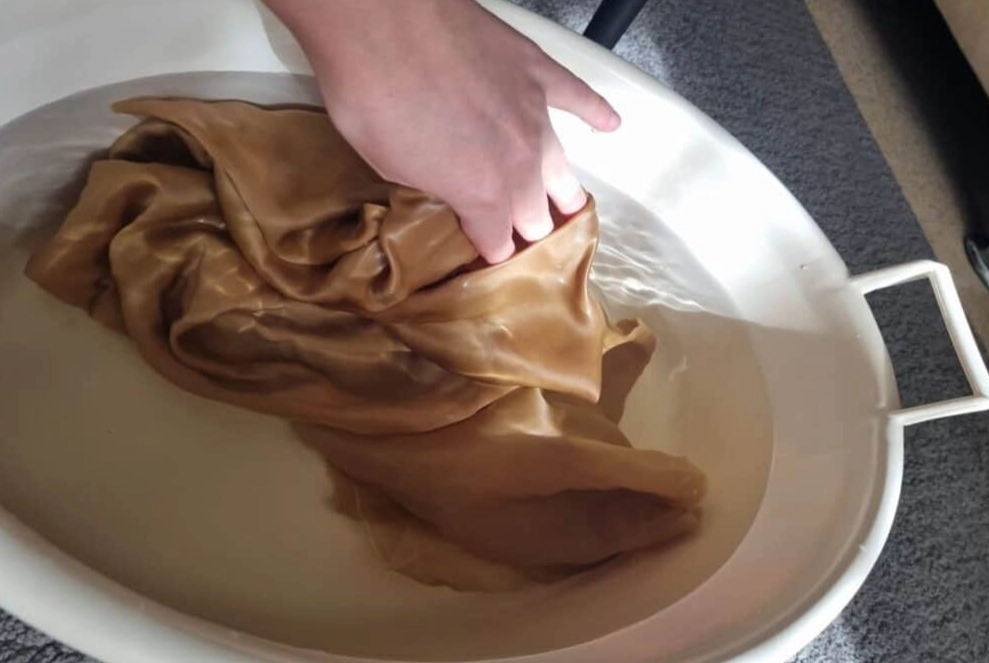
Can You Machine Wash Silk? A Safe Method
Yes, you can machine wash some silk items, but you must be selective and use the right settings. I only do this with sturdy, plain-colored silks like crepe de chine skirts or simple silk pillowcases. Never machine wash delicate chiffons, heavily embroidered pieces, or silk blends with uncertain stability.
| Method | Best For | Key Settings | Risk Level |
|---|---|---|---|
| Hand Washing | All silks, especially delicate, embroidered, or dark/printed items. | Cold water, pH-neutral detergent, gentle agitation. | Low (with care) |
| Machine Washing | Sturdy, plain silk garments (e.g., pants, skirts, slips). | Delicate/Handwash cycle, COLD water, mesh bag, low spin. | Medium |
Machine Washing Steps:
1. Place the silk item inside a zippered mesh laundry bag. This is non-negotiable—it prevents snagging and excessive agitation. 2. Use a dedicated delicate detergent. 3. Set your machine to the Delicate, Handwash, or Silk cycle. The water temperature must be cold (30°C/86°F or lower). 4. Set the spin cycle to the lowest possible speed (or no spin if available). High-speed spinning can crease and distort silk. 5. Run the cycle. As soon as it's done, remove the garment. Don't let it sit damp in the machine.
Drying and Ironing Silk Without Damage
This is where many people slip up after a perfect wash.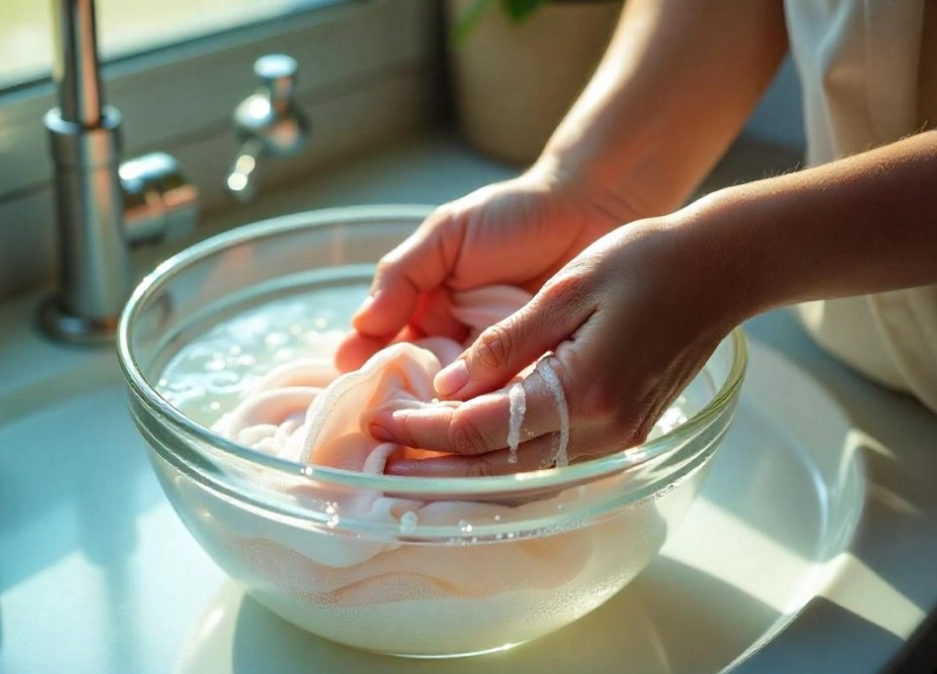
How to Dry Silk
Never, ever wring out silk. Instead, lay the garment flat on a clean, dry bath towel. Roll the towel up with the silk inside, like a sushi roll, and gently press to absorb excess water. You can even stand on the rolled towel. Unroll, transfer the silk to a second dry towel (or a drying rack), and reshape it to its original dimensions. Smooth out any seams.
Dry it away from direct heat and sunlight. A well-ventilated room is perfect. A fan can help. It might take a day to dry completely. Hanging a heavy, wet silk dress on a hanger will stretch the shoulders irreparably. If you must hang, use a padded hanger and ensure it's almost dry first.
How to Iron Silk
Iron silk while it's still slightly damp. If it's fully dry, mist it lightly with water. Set your iron to the lowest heat setting (often the "silk" setting). My non-consensus tip? Iron on the wrong side of the fabric. If you must iron the right side, place a thin, clean cotton cloth (like a pillowcase) between the iron and the silk. This prevents water spots and shine marks that can appear from direct contact with the iron's soleplate. Use a pressing motion—lift and place—don't slide the iron back and forth aggressively.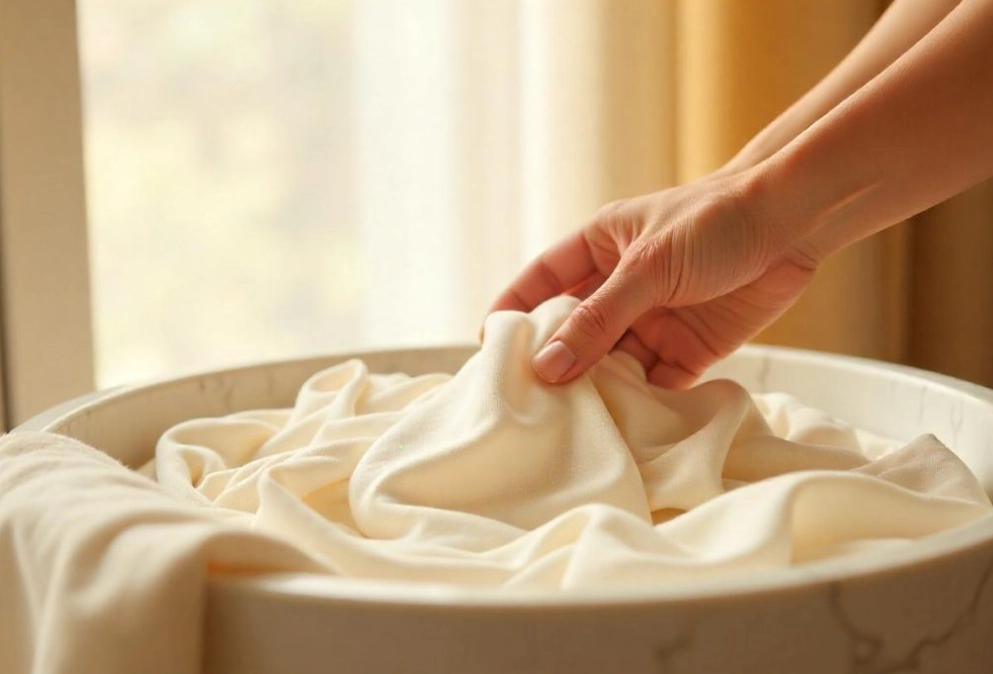
Tackling Stains on Silk: A Practical Approach
Speed is your friend. Blot, don't rub. For water-based stains (wine, juice), immediately flush the area from the back with cold water. For oil-based stains (makeup, food), sprinkle a little cornstarch or talc on it to absorb the grease, let it sit for an hour, then brush it off before washing.
Here's a nuanced mistake few talk about: using hot water on protein-based stains like sweat or blood. Heat will set the protein, making the stain permanent. Always use cold water first. For old or set-in stains, your best bet is a specialist. The International Silk Association notes that some stains require specific solvents best handled professionally to avoid fabric damage.
Your Silk Washing Questions, Answered
Can I use vinegar to rinse silk?
How do I wash a silk item with a "dry clean only" label?
My silk went stiff after washing. How do I fix it?
What's the best way to deal with yellowing underarm stains on white silk?
How often should I wash silk pajamas or bedding?
 The bottom line? Don't be afraid of your silk. Respect its delicate nature, but understand that with cold water, the right soap, and a gentle touch, you can master silk laundry care at home. It saves money, extends the life of your garments, and gives you control. That pale pink blouse I stained? I eventually found a method that lifted the last of the wine mark. It's still in my wardrobe today, a reminder that silk is more resilient than its label suggests.