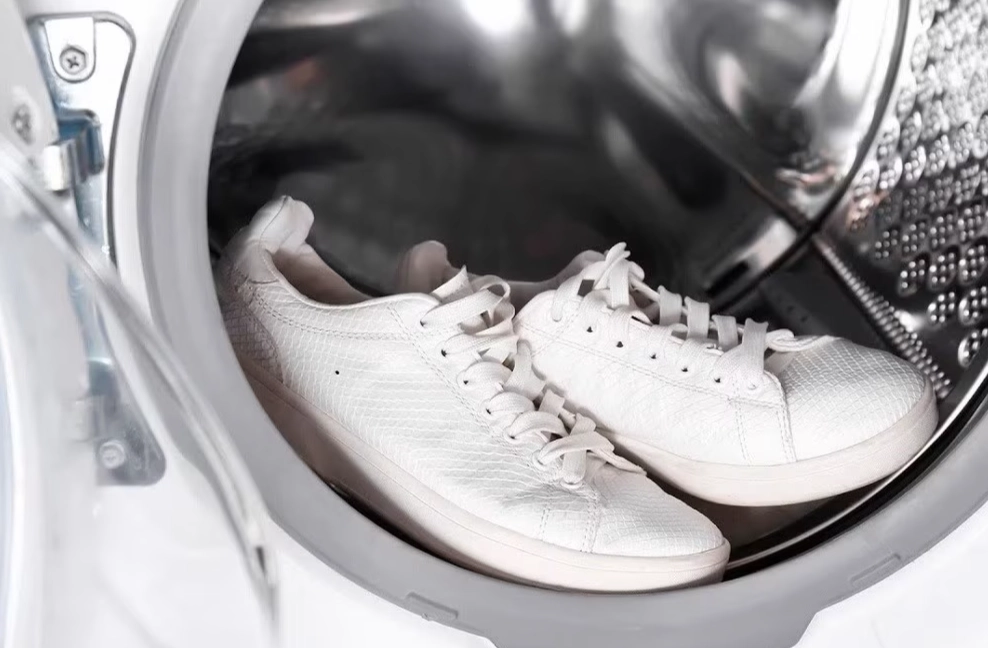
You stare at your once-white sneakers, now a canvas of dirt, grass stains, and mystery scuffs. The thought of hand-scrubbing them feels like a chore. So you wonder, can I just throw these in the washer? The short answer is often yes, but doing it wrong is a fast track to ruined shoes. I learned this the hard way years ago when a favorite pair of running shoes came out of the wash looking clean but feeling like cardboard, their cushioning completely flattened. That mistake taught me more than any manual ever could.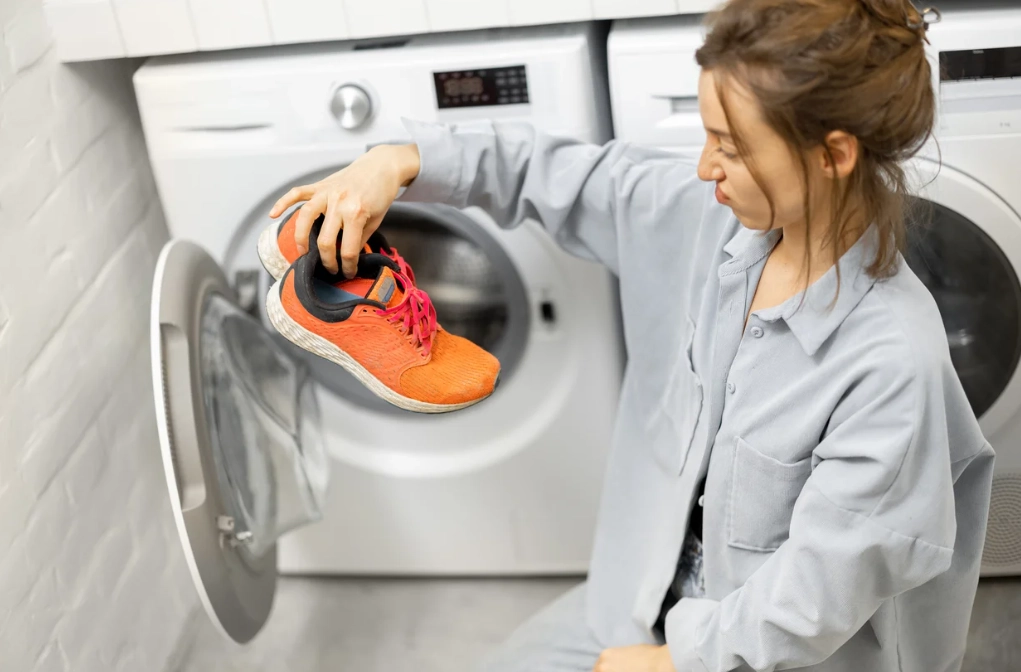
Throwing shoes in the washer isn't a reckless act—it's a precise method. This guide cuts through the common online advice and gives you the nuanced, step-by-step process that actually works, preserving your shoes' look, comfort, and structure.
What You'll Learn
The Non-Negotiable Pre-Wash Checklist
Skip these steps, and you're gambling with your shoes. This isn't just about removing laces.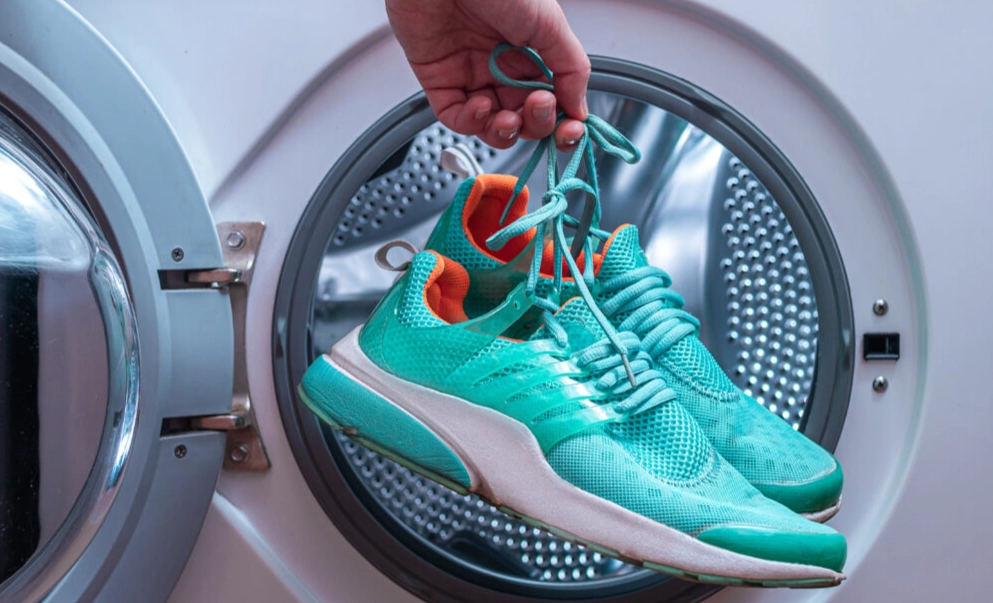
1. The Diagnosis: Can This Shoe Even Handle It?
Not all shoes are created equal. Leather dress shoes, suede, anything with glued-on elaborate decorations or a wooden sole? Forget it. The washer will destroy them. We're talking primarily about modern athletic sneakers, canvas shoes (like Converse or Vans), and some mesh trainers. If the shoe is mostly synthetic materials and fabric, you're in the clear. When in doubt, check the manufacturer's care tag. If it says "do not machine wash," believe it.
2. The Deep Clean Before the Clean
Don't just toss them in. Knock off any caked-on mud or dirt outside. Use an old toothbrush to scrub off obvious, thick grime from the soles and sides. This prevents your washer from becoming a mud bath and clogging the drain. I spend a solid two minutes doing this—it makes a huge difference in the final result and your machine's health.
3. The Load Balancer
This is critical for your washer's health. Never wash just one shoe. The unbalanced load can make the machine shake violently (the "walking washer" phenomenon) and damage its suspension. Always wash at least two pairs together. No second pair? Add 2-3 old towels. They act as buffers, cushioning the shoes and preventing them from banging against the drum, which is the main cause of physical damage.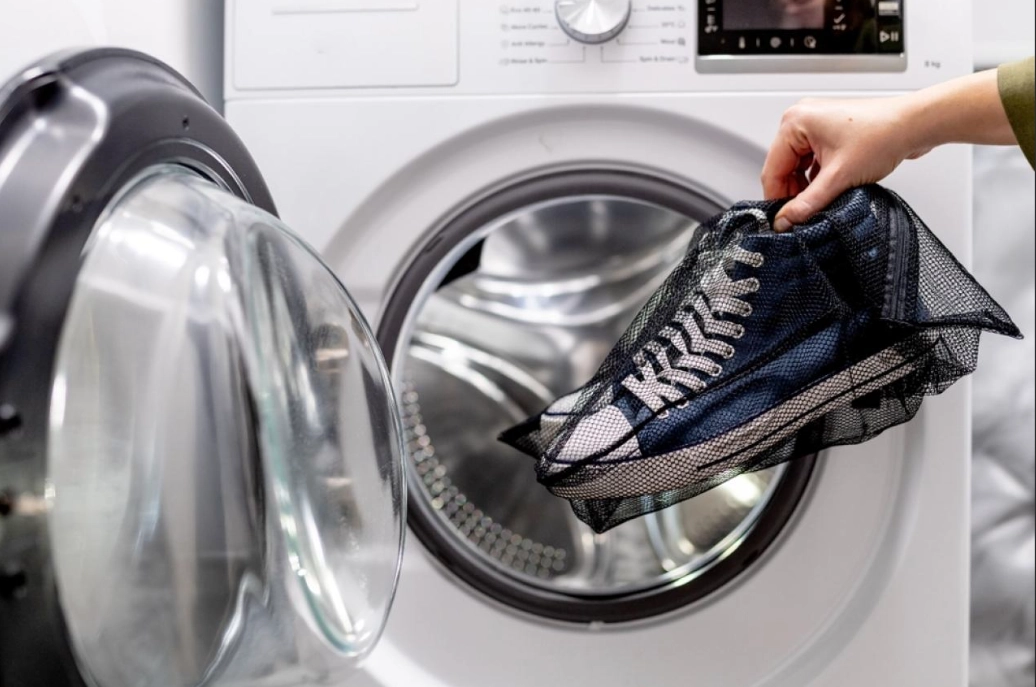
Dialing In: Perfect Washer Settings & Cycle
This is where you win or lose. The default "Normal" cycle is your enemy.
| Setting | Recommendation | Why It Matters |
|---|---|---|
| Water Temperature | Cold Water Only | Hot water can weaken adhesives (glue holding the sole on), cause colors to bleed, and shrink certain fabrics. Cold is always safe. |
| Cycle Type | Gentle/Delicate Cycle | Minimizes aggressive agitation and spinning. The normal cycle is too rough and can deform the shoe's shape. |
| Spin Speed | Low or No Spin | A high-speed spin forces water deep into the materials and can misshape the upper. If you can't select no-spin, low is mandatory. |
| Detergent | Mild Liquid Detergent | Powder detergent may not fully dissolve and can leave residues. Avoid bleach or fabric softener—they degrade materials. A small amount (half the usual dose) is plenty. |
I see people make the spin speed mistake all the time. They think a stronger spin gets them drier shoes, but it just beats the life out of the foam and fabric. The Good Housekeeping Institute also consistently recommends cold, gentle cycles for washing shoes, backing up this approach.
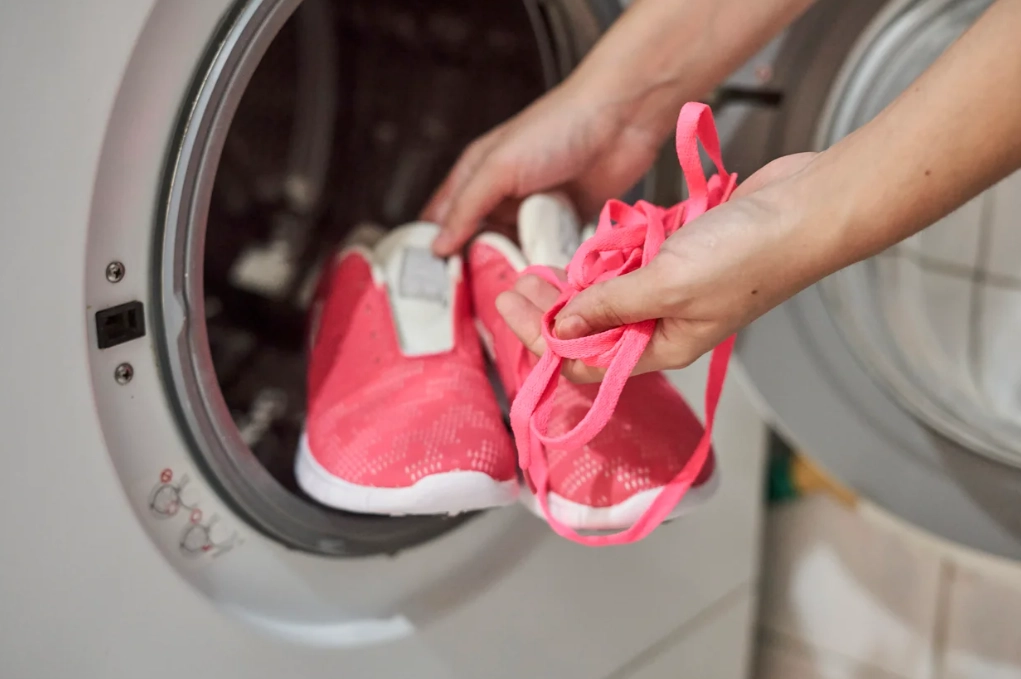 Set it, forget it, and let the machine do its gentle work.
The Critical Drying Phase: Air vs. Heat
Your shoes are clean. Now, the single most important rule: Never, ever put shoes in the dryer. The intense, direct heat is a death sentence. It melts glues, shrinks materials, warps soles, and ruins cushioning. I don't care how impatient you are.
The Right Way to Air Dry
First, stuff the shoes with crumpled white paper (newspaper can bleed ink) or clean, dry towels. This absorbs internal moisture and helps the shoe retain its shape as it dries. Don't pack them tight, just enough to fill the space.
Place them in a well-ventilated area, away from direct sunlight or heat sources like radiators. A fan pointed in their direction speeds up the process significantly. If possible, remove the paper stuffing after a few hours and replace it with dry material.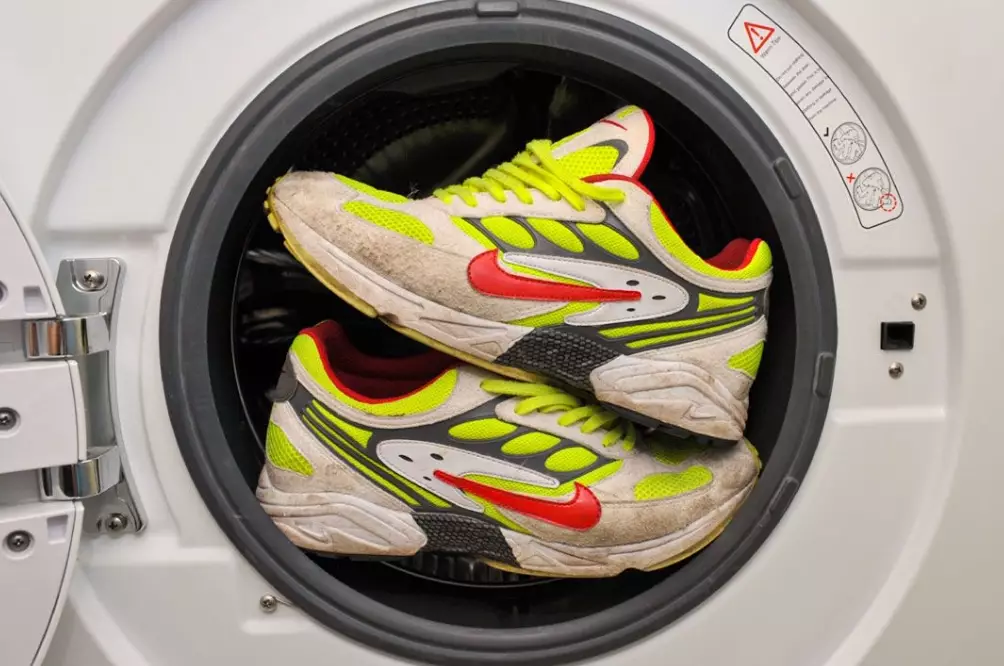
Shoe-by-Shoe Guide: What You Can & Cannot Machine Wash
Let's get specific. This isn't a one-size-fits-all situation.
Generally SAFE for Machine Washing (on Gentle/Cold):
- Canvas Sneakers: Converse, Vans, Superga. They're often made for this. Remove the laces, and they usually come out great.
- Modern Running Shoes: Nike, Adidas, Brooks, etc., with mesh uppers and synthetic overlays. The structure is designed to be resilient.
- Machine-Washable Slip-ons: Some brands like Allbirds or Rothy's are explicitly designed for it. Follow their specific instructions.
- Basic Fabric Slides & Sandals: Simple polyester or fabric styles with no leather components.
Generally UNSAFE for Machine Washing:
- Leather Shoes (any kind): Dress shoes, boots, leather sneakers. Water ruins the finish and shape.
- Suede or Nubuck Shoes: Water creates permanent stains and discoloration.
- Shoes with Extensive Gluing: Like platform soles or complex designs. Agitation can separate the sole.
- Shoes with Electronics: LED lights, etc. Obviously.
- Old, Fragile Shoes: If they're already falling apart, the washer will finish the job.
A study highlighted by Sneaker Science resources indicates that repeated machine washing, even done correctly, can gradually break down the midsole foam (EVA, polyurethane) faster than normal wear. It's a trade-off for deep cleaning. So, don't make it a weekly habit.