Let's be honest. The thought of washing a comforter is intimidating. It's big, it's bulky, and it's probably expensive. You're worried it'll get lumpy, the filling will clump, or the fabric will tear. I've been there. I once turned a perfectly good down comforter into a sad, misshapen lump because I used the wrong detergent and too much heat. It took me years of trial and error (and a few costly mistakes) to figure out the right way. The good news? You can absolutely wash a comforter at home. You just need a solid plan. This guide isn't a list of generic tips. It's the detailed, material-specific process I wish I had when I started.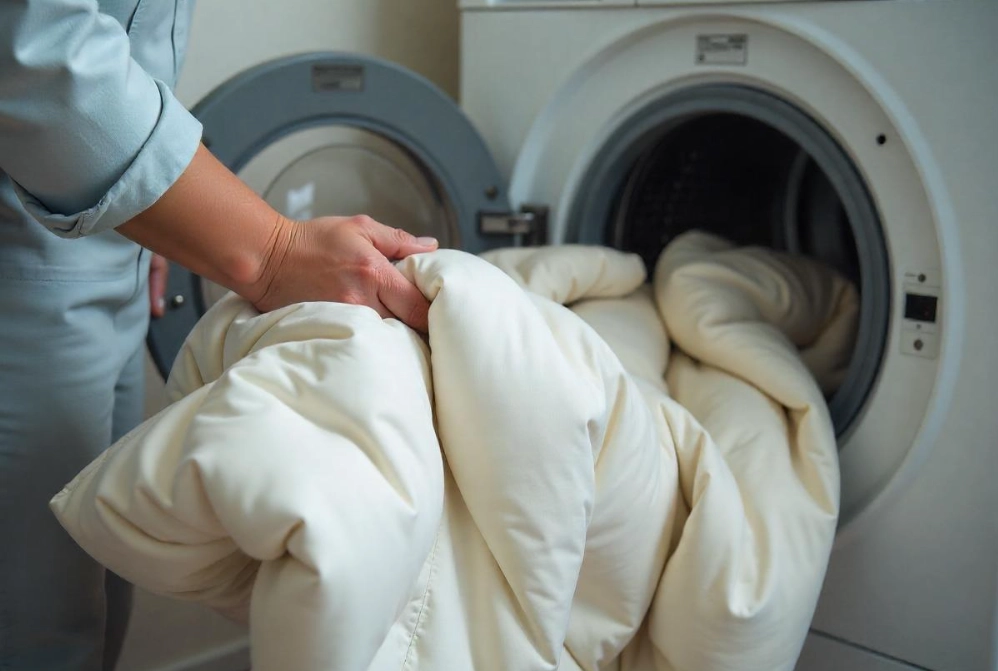
Your Quick-Start Guide to a Clean Comforter
The 5-Minute Pre-Wash Checklist (Don't Skip This)
Before you even think about starting a cycle, run through this list. Missing one step can lead to disaster.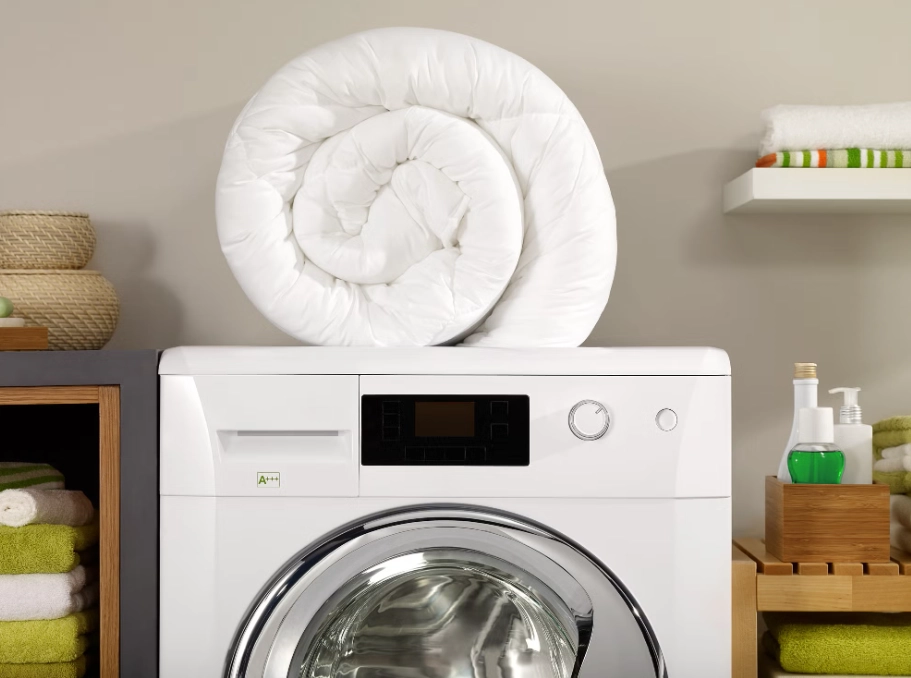
Check the Care Label: This is your instruction manual. Look for symbols or text. "Dry Clean Only" means just that—don't gamble. "Machine Washable" is your green light. Note any specific temperature limits.
Inspect for Damage: Hold the comforter up to a light or run your hands over it. Look for thin spots, small tears, or loose seams. If you find any, mend them with a needle and thread first. A small hole can become a massive feather explosion in the wash.
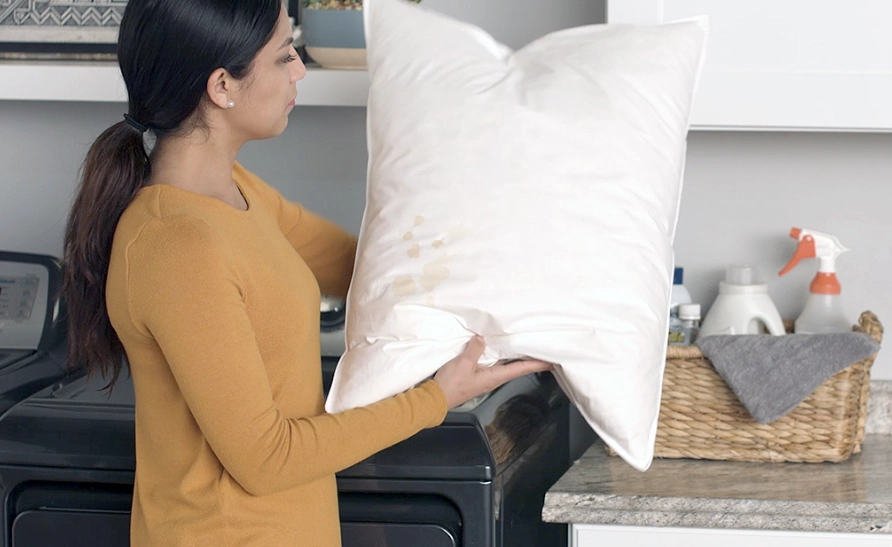
Spot Treat Stains: Never toss a stained comforter in whole. Pre-treat any spots (body oils, food, drink) with a dab of liquid detergent or a dedicated stain remover. Gently work it in with your fingers and let it sit for 15 minutes.
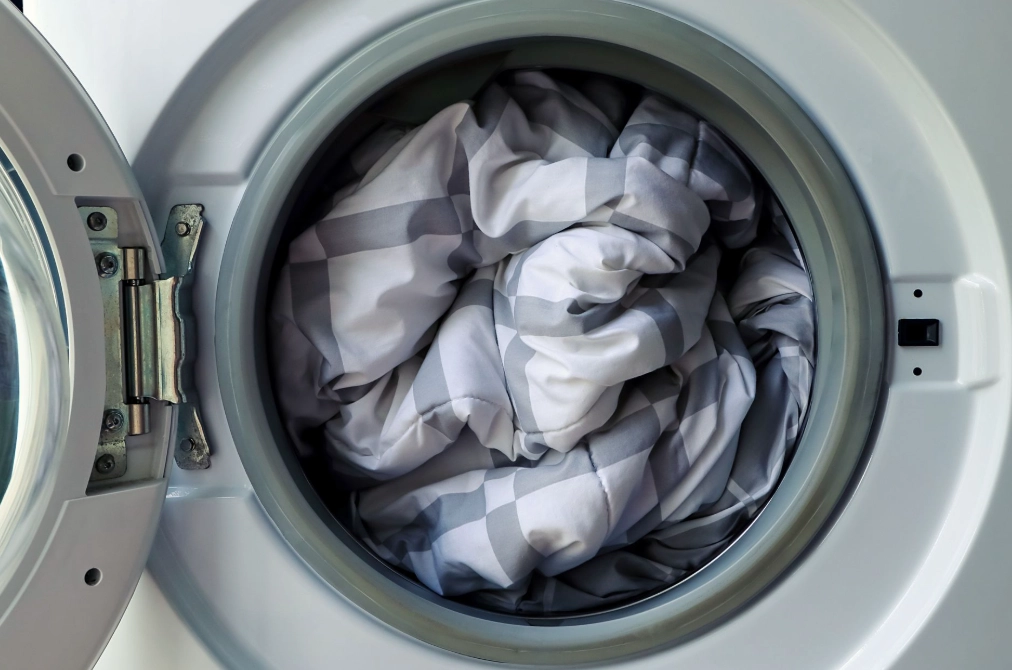
Check Your Machine's Capacity: This is the most common mistake. Your comforter needs room to tumble freely. A good rule? If you can't fit your fist between the comforter and the drum wall after loading it, your machine is too small. For king-size or heavy down comforters, a front-loading washer or a large-capacity top-loader (often labeled "King" or "Bulky") is non-negotiable. Using a machine that's too small will prevent proper rinsing and can damage the agitator.
How to Wash a Comforter in a Washing Machine
If your machine passes the capacity test, this is your most effective method. Follow these settings to the letter.
Step-by-Step Machine Washing Instructions
1. Use the Right Detergent: Ditch the heavy, scented liquid detergents. They leave residues that flatten filling. Opt for a mild, liquid detergent (like one for delicates) and use half the recommended amount. Powder detergent can clump and not dissolve fully. For down, a down-specific wash is ideal (like Nikwax Down Wash).
2. Skip the Fabric Softener: Never, ever use fabric softener or dryer sheets. They coat the fibers, reducing loft (fluffiness) and water absorbency. This is a major reason why comforters come out flat.
3. Choose the Correct Cycle: Select the "Delicate," "Gentle," or "Bulky Items" cycle. These have slower spin speeds to protect the internal baffles and seams. Avoid "Heavy Duty" or "Normal" cycles—they're too aggressive.
4. Set Water Temperature: Cold or warm water is almost always safe. Hot water can set stains, shrink fabrics, and damage down clusters. Cold water is energy-efficient and safest for colors.
5. Add Extra Rinses: This is a pro tip. Select the "extra rinse" option if your machine has it. Comforters hold a lot of detergent, and residual soap is the enemy of fluff. You want all soap completely gone.
6. Balance the Load: For top-loading machines with an agitator, you can add a few clean towels (2-3) to help balance the load and improve tumbling action. Don't do this in a front-loader, as it needs the space.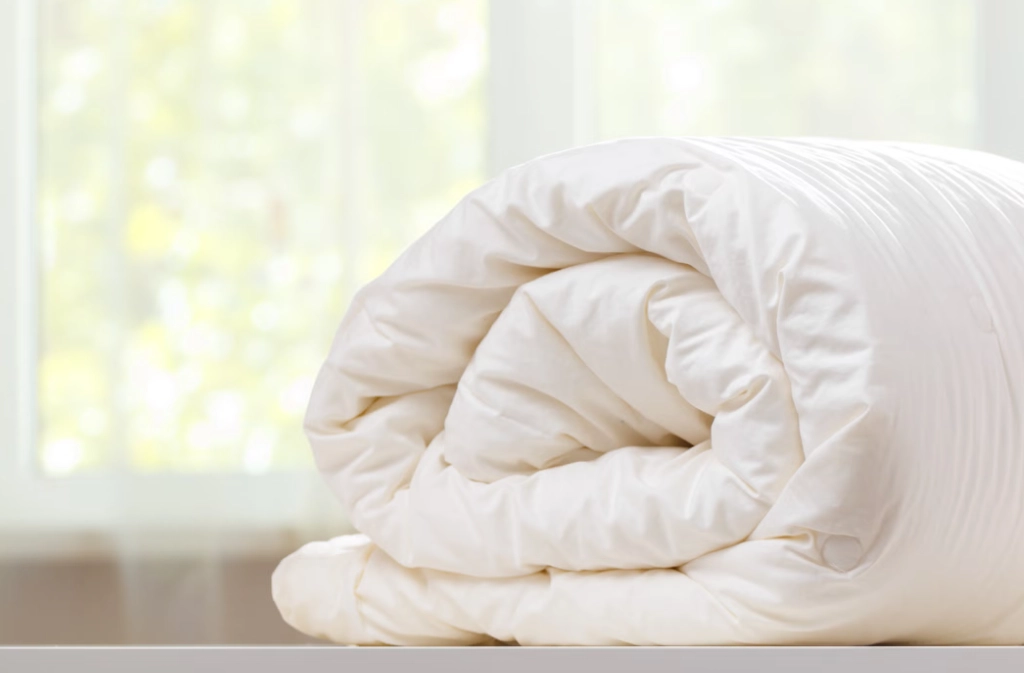
The Big Mistake Everyone Makes: Overloading the detergent drawer. More soap does not mean cleaner. It means more residue, which attracts dirt faster and makes your comforter stiff. Less is more.
How to Hand Wash a Comforter (The Gentle Method)
No suitable machine? Hand washing is totally doable, but it's a workout. You'll need a bathtub.
Fill the tub with lukewarm water and a small amount of mild detergent. Submerge the comforter and gently press it down to saturate. Don't wring, twist, or scrub. Just gently press and agitate the water through it for 5-10 minutes. Let it soak for another 15.
The real work is rinsing. Drain the soapy water and refill the tub with clean, cool water. Press the comforter to release soapy water. Repeat this rinse process 3-4 times until the water runs completely clear. This is crucial.
To remove water, press it against the side of the tub. Never lift the sopping wet comforter by itself—the weight can tear the fabric. Roll it up to squeeze out excess water before moving to drying.
The Secret to Drying Your Comforter Perfectly
Drying is where the magic (or tragedy) happens. Rushing this step is how you get lumpy filling.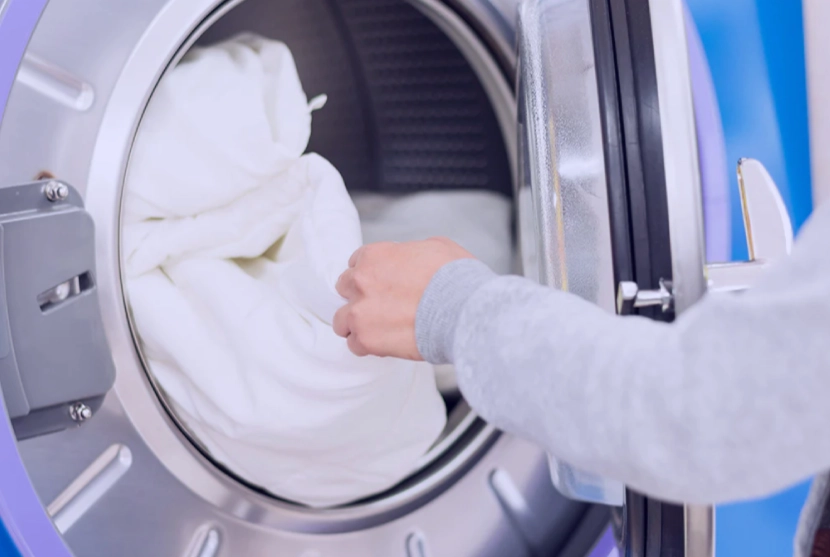
Using a Dryer (The Best Method for Fluff)
If you have access to a large-capacity dryer, use it. It's the most effective way to restore loft.
- Low Heat is Law: Use the "Air Fluff" or "No Heat" setting. If you must use heat, choose "Low" or "Delicate." High heat melts synthetic fibers and damages down.
- Add Dryer Balls: Toss in 2-3 clean, dry tennis balls or wool dryer balls. They act as beaters, physically breaking up clumps of filling as the comforter tumbles. This is the single best trick for a fluffy comforter.
- Be Patient and Check Often: This will take several hours (3-4 is common). Stop the dryer every 45 minutes to manually break up any damp clumps you feel. This ensures even drying.
- Ensure It's Bone Dry: The very center must be completely dry. Dampness leads to mildew. If it's still damp when the cycle ends, run another air-fluff cycle.
Air Drying (The Backup Plan)
Lay the comforter flat over several clotheslines or a large, clean, dry surface (outdoors in the sun is ideal for killing dust mites). Flip it every few hours. Fluff and pat the sections as it dries. Warning: This can take 1-2 days, and down may clump if not agitated.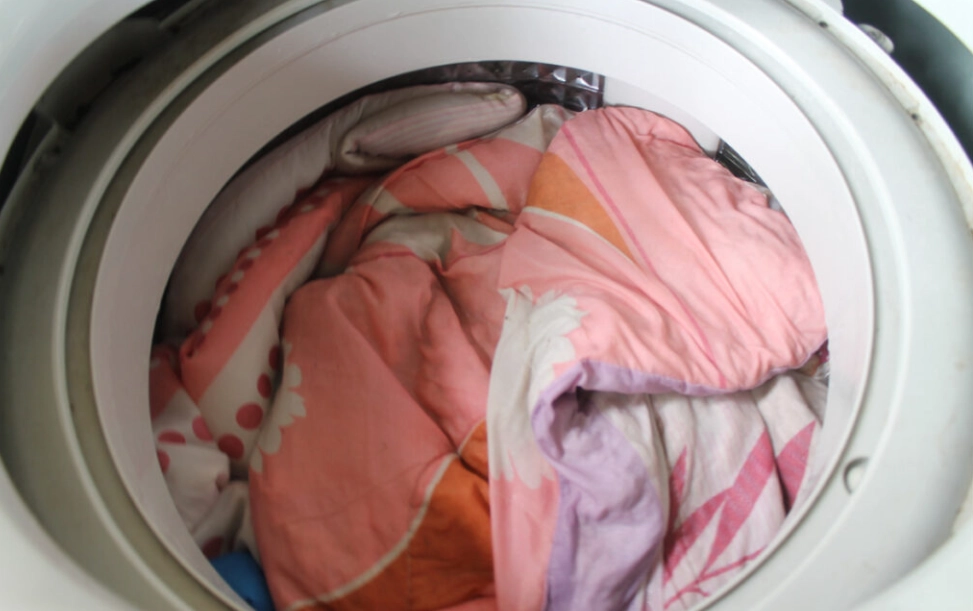
Material-Specific Guide: Down, Synthetic & Wool
Not all comforters are created equal. Here’s what you need to know for the main types.
| Material | Key Washing Consideration | Biggest Risk | Pro Tip |
|---|---|---|---|
| Down (Feathers) | Use a down-specific wash or very mild detergent. Extra rinses are critical. | Clumping if not dried thoroughly with dryer balls. | Dry with tennis balls. The sound is annoying, but it works. |
| Synthetic (Polyester, Microfiber) | More forgiving. Can usually handle a wider range of detergents. | Heat damage. High dryer heat can melt or glaze the fibers. | Stick to low or no heat. It will still dry, just slower. |
| Wool | Often "Dry Clean Only." If washable, use a wool-specific detergent like Eucalan. | Felting and shrinkage from agitation and heat. | Hand wash in the bathtub is safest. Never wring, just press water out. |
My personal nemesis was a high-loft down alternative comforter. I washed it on warm and dried it on medium heat. It came out half its original size and had the texture of a stiff board. Lesson learned: synthetic fill is especially heat-sensitive.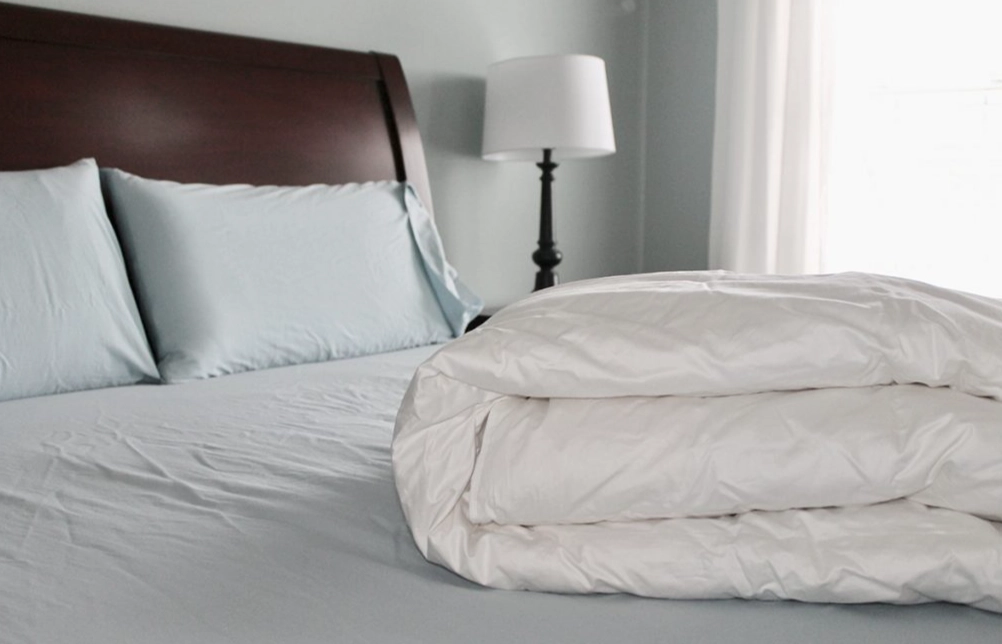
Your Top Comforter Washing Questions, Answered
 The goal isn't just a clean comforter, it's one that feels and looks like new when you make the bed. It takes time, the right tools (big machine, dryer balls), and a lot of patience. But skipping the dry cleaning bills and knowing you did it right is worth it. Start with the pre-check list, go slow, and don't skimp on the drying time. Your comforter will thank you for years.