Let's be honest. That first time you look at your beloved weighted blanket and think "it needs a wash" can be a moment of pure panic. You've spent good money on it. It's your sleep sanctuary, your anxiety soother. The last thing you want is to open the washer and find a lumpy, ruined mess or, worse, a broken machine.
I've been there. After years of using and recommending weighted blankets, I've seen the good, the bad, and the lumpy. The secret isn't just following the tag—it's understanding the why behind each step. This guide will walk you through every method, from quick machine washes to careful hand washing, and point out the subtle mistakes most guides miss.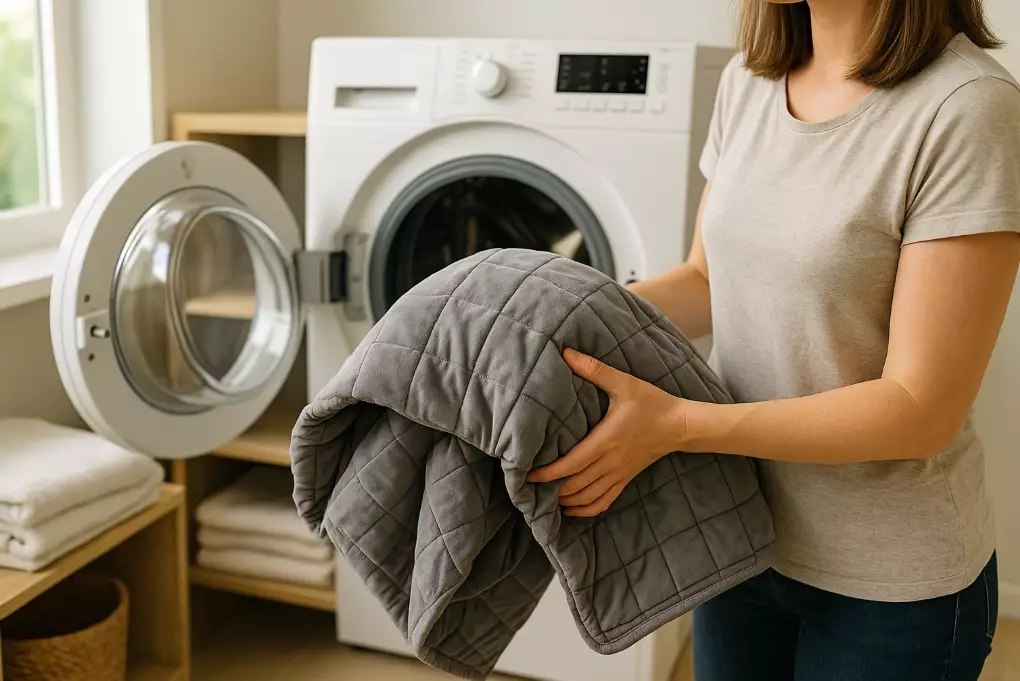
Your Washing Roadmap
- The Non-Negotiable Pre-Wash Checklist
- How to Machine Wash a Weighted Blanket (The Right Way)
- How to Hand Wash a Weighted Blanket (For Delicate or Large Blankets)
- The Critical Drying Phase: Air vs. Machine
- Targeted Stain Removal for Common Spills
- Proactive Care: How to Wash Your Weighted Blanket Less Often
- Your Top Weighted Blanket Washing Questions, Answered
The Non-Negotiable Pre-Wash Checklist
Skip this, and you're rolling the dice. Every blanket is different, and manufacturers know theirs best.
Here’s a quick decoder for common tag symbols and what they actually mean for your blanket:
| Care Symbol | What It Means | Our Practical Take |
|---|---|---|
| Machine Wash (30°C/86°F) | Gentle cycle with cold or warm water is okay. | Stick to cold. It's safer for fabrics and fill. |
| Do Not Bleach | No chlorine-based bleach. | Avoid all harsh stain removers. Use oxygen-based bleach (like OxiClean) sparingly and only if the fabric is colorfast. |
| Tumble Dry Low | Low heat drying is permitted. | Use dryer balls or tennis balls to prevent clumping. Check every 20 minutes. |
| Dry Clean Only | Do not wash with water. | Seriously, don't wash it. Find a reputable dry cleaner experienced with heavy textiles and inform them of the weight. |
| Hand Wash | Must be washed by hand in water. | See our hand wash section below. It's more work but often the safest. |
Action Step 2: Check Your Washer and Dryer Capacity. This is the most overlooked step. A 20-pound blanket soaking wet can weigh 30+ pounds. Most standard top-loading washers have an agitator that can tear the inner baffles. Front-loading washers are generally better. Check your appliance manual for the maximum weight capacity. If in doubt, hand wash or use a commercial machine at a laundromat.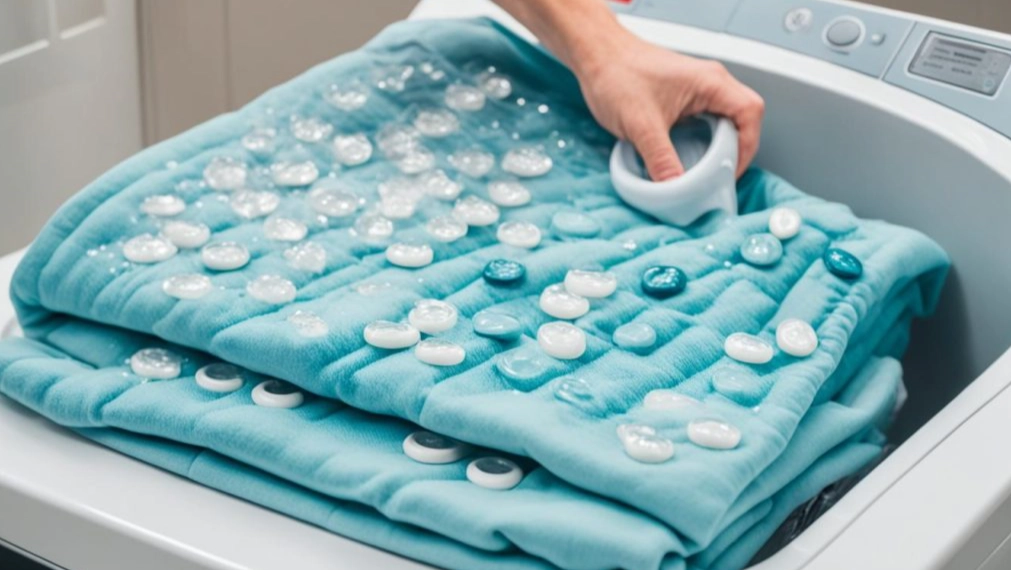
Action Step 3: Inspect for Damage. Feel for any tears, open seams, or loose threads. Washing will aggravate any small hole into a big one, potentially releasing filler into your machine—a nightmare to clean up.
How to Machine Wash a Weighted Blanket (The Right Way)
If the care tag gives the green light, here’s the precise method I use and trust.
Step-by-Step Machine Washing Instructions
- Pre-treat Stains: Spot-treat any stains with a mild detergent or a paste of baking soda and water. Let it sit for 15 minutes.
- Load the Washer: Place the blanket in the drum by itself. Do not wash it with other items. The friction and imbalance can cause damage.
- Choose Detergent: Use a mild, liquid detergent. Powdered detergents can sometimes leave residue on the beads or fabric. Avoid fabric softener—it can coat the fibers and reduce the blanket's breathability.
- Select Cycle: Always use the Gentle/Delicate cycle with Cold Water. The slow agitation is key.
- Extra Rinse: If your machine has the option, select an extra rinse cycle to ensure all soap is removed. Soap residue attracts dirt.
How to Hand Wash a Weighted Blanket (For Delicate or Large Blankets)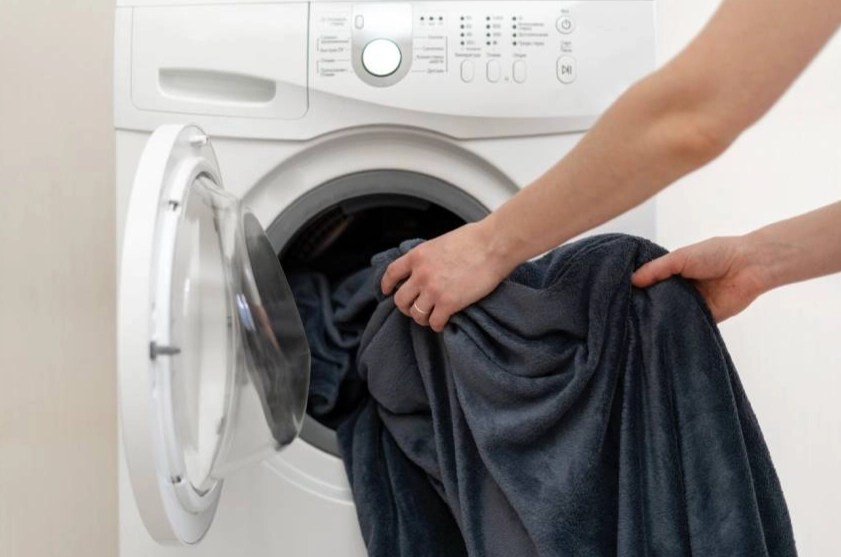
This is my preferred method for blankets over 15 pounds or those with delicate covers (like minky or velvet). It's more labor-intensive but gives you complete control.
You'll need: A bathtub or very large plastic tub, mild liquid detergent, and about an hour of time.
Fill the tub with cold or lukewarm water. Dissolve a small amount of detergent. Submerge the blanket and gently press it down to soak. Let it sit for 30 minutes. Don't twist, wring, or scrub. Instead, use a gentle pressing and lifting motion all over the blanket to work the water through. Drain the soapy water. Refill the tub with clean cold water and repeat the pressing motion to rinse. You may need to do this 2-3 times until the water runs clear. This is the most important part—rinsing thoroughly.
The Critical Drying Phase: Air vs. Machine
Drying is where blankets are won or lost. The goal is to avoid heat damage and prevent the filler from clumping in one corner.
Machine Drying (If Approved)
Use the lowest heat setting (air fluff or no heat is best). Throw in 2-3 clean, dry tennis balls or wool dryer balls. They'll bounce around and help break up clumps of wet filler. Check the blanket every 20-30 minutes to redistribute it. This can take several cycles. Be patient. Using high heat can melt plastic pellets or damage the fabric.
Air Drying (The Safest Bet)
Lay the blanket flat over two or three parallel clotheslines or drying racks. You must support its entire weight to prevent stress on the seams. Rotate and flip it every few hours. This can take 24-48 hours, depending on humidity. A fan in the room will speed things up.
Never hang a wet weighted blanket from a single clothesline or hook. The weight of the water will strain the seams terribly.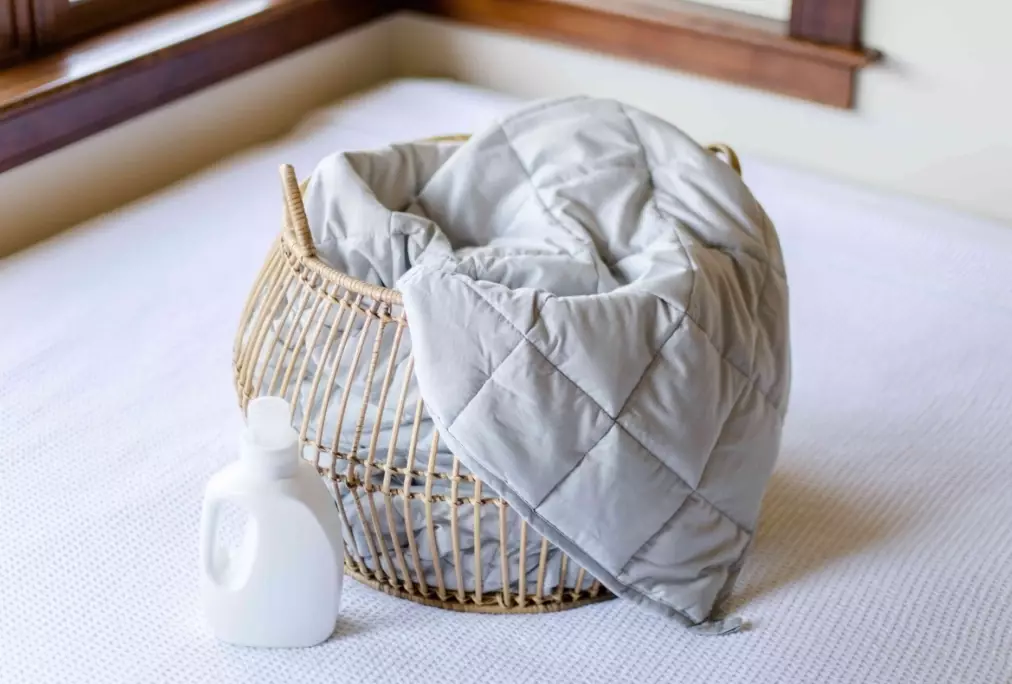
Targeted Stain Removal for Common Spills
Deal with spills immediately to avoid a full wash. Always blot, don't rub.
- Coffee/Tea/Wine: Blot, then dab with a mixture of cold water and a tiny bit of liquid detergent. Follow with a dab of white vinegar diluted in water to neutralize, then blot with cold water.
- Body Oils/Sweat: Sprinkle baking soda on the area, let sit for an hour, then vacuum. For set-in stains, a paste of baking soda and water applied before a wash can help.
- Blood: Cold water only! Soak the spot in cold water, then gently dab with a mild detergent. Hot water will set the stain.
Proactive Care: How to Wash Your Weighted Blanket Less Often
The best way to wash a weighted blanket is to not have to wash it frequently. Use a removable, machine-washable duvet cover. It's a game-changer. You can wash the cover weekly and only need to deep-clean the inner blanket once or twice a year. Avoid eating or drinking in bed (I know, it's a cozy vice). Use a top sheet between you and the blanket or its cover.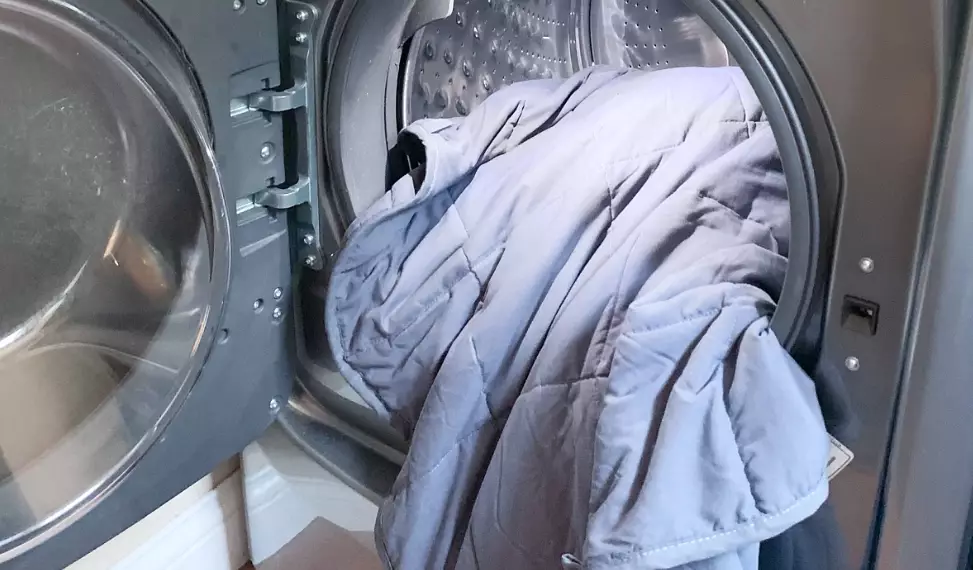
Your Top Weighted Blanket Washing Questions, Answered
Can I put my weighted blanket in the dryer if the tag says "tumble dry low"?
My blanket smells musty after washing. What did I do wrong?
Is it okay to use vinegar when washing a weighted blanket?
The beads inside my blanket have clumped after washing. Can I fix it?
How often should I actually wash the inner weighted insert?