Let's be honest—most of us toss our down pillows into the washer with a shrug, hoping for the best. I did that too, until I ruined a perfectly good pillow by turning it into a lumpy, damp mess. Washing down pillows isn't rocket science, but it's different from tossing in a cotton shirt. Get it wrong, and you'll end up with clumps, odors, or worse, a moldy disaster. This guide cuts through the noise. I've washed dozens of down pillows over the years, from cheap ones to high-end brands, and I'll share the exact steps that work, plus the subtle mistakes even seasoned cleaners make.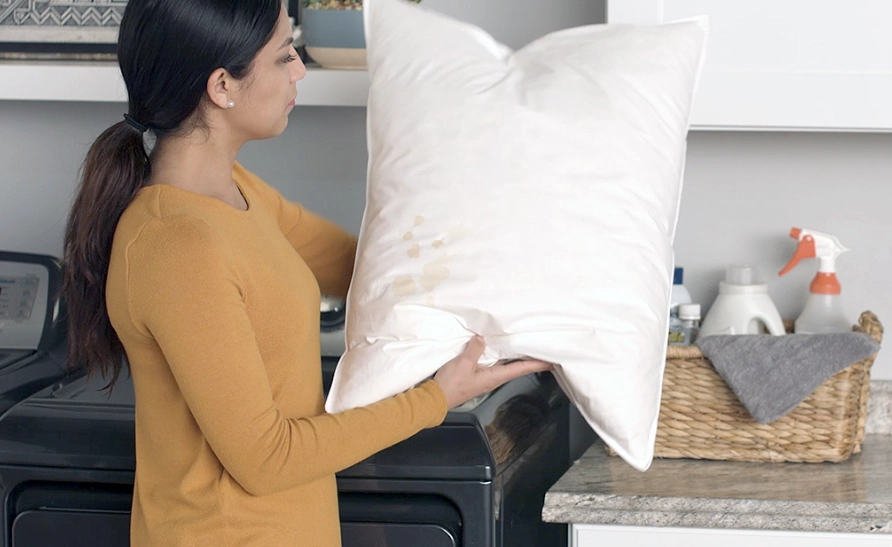
What You'll Learn in This Guide
Why Washing Down Pillows is a Unique Challenge
Down pillows are filled with soft clusters from duck or goose feathers—they're great for comfort but tricky to clean. The fluff traps air, making them buoyant in water. If you don't handle it right, detergent residue stays inside, and moisture lingers, leading to clumping or mildew. I learned this the hard way when a pillow took three days to dry and still smelled musty.
Most guides gloss over the physics. Down is hydrophobic to some extent, but it can mat down if agitated too much. That's why front-loading washers are better—they're gentler. Top-loaders with agitators? They can tear the fabric or over-compress the down. If you only have a top-loader, don't panic. I'll show you a workaround.
Another thing: pillow covers matter. A torn seam or weak fabric can spill feathers everywhere. Check for holes before starting. I once had feathers float all over my laundry room—not fun.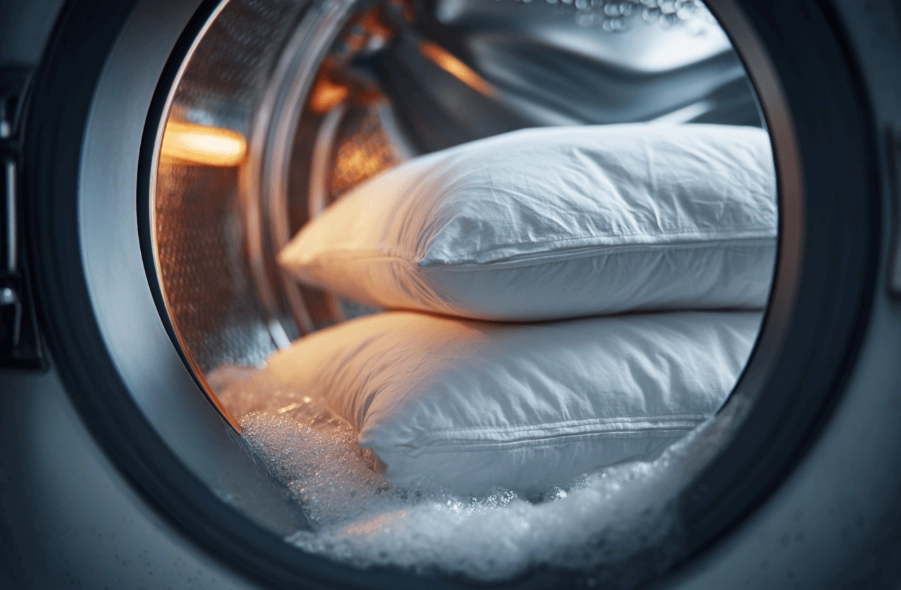
The Foolproof Step-by-Step Washing Process
Here's the method I've refined after many trials. It works for most down pillows, but always check the care label first. If it says "dry clean only," proceed with caution—some modern down pillows can still be washed, but test a small area.
Pre-Wash Preparation: Don't Skip This
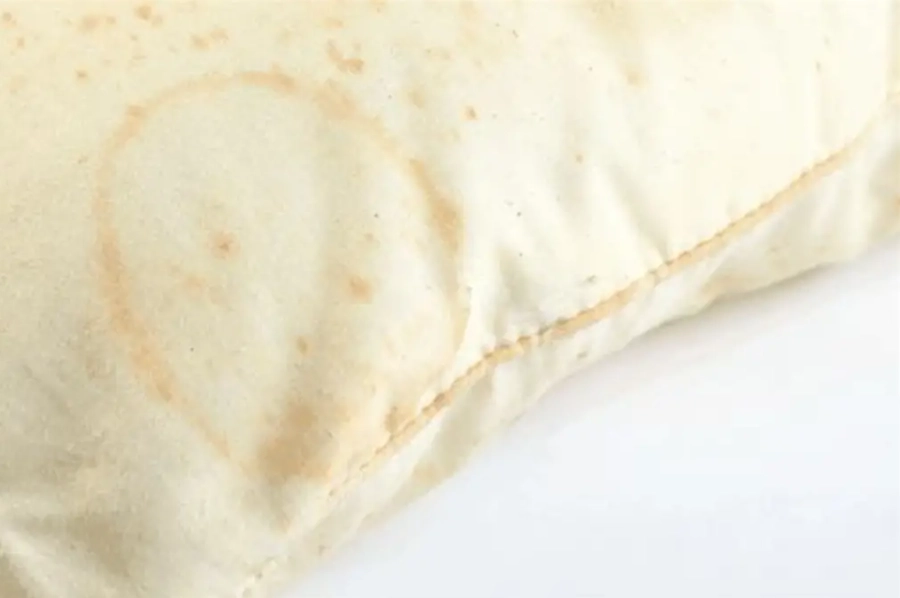
Start by removing the pillowcase and any protectors. Inspect the pillow for stains. Spot-treat any oily or yellowed areas with a mild detergent or a mix of baking soda and water. Let it sit for 10 minutes.
Now, fluff the pillow by hand. Shake it to redistribute the down. This prevents uneven washing. If your pillow has a strong odor, sprinkle baking soda lightly, leave it for 15 minutes, then shake it off. Baking soda absorbs smells without harsh chemicals.
Choosing the Right Detergent and Settings
Use a mild, liquid detergent—never powder. Powder detergents can leave residue. I prefer eco-friendly options like Seventh Generation or Ecover, but any gentle detergent works. Avoid bleach or fabric softeners; they break down the down's natural oils.
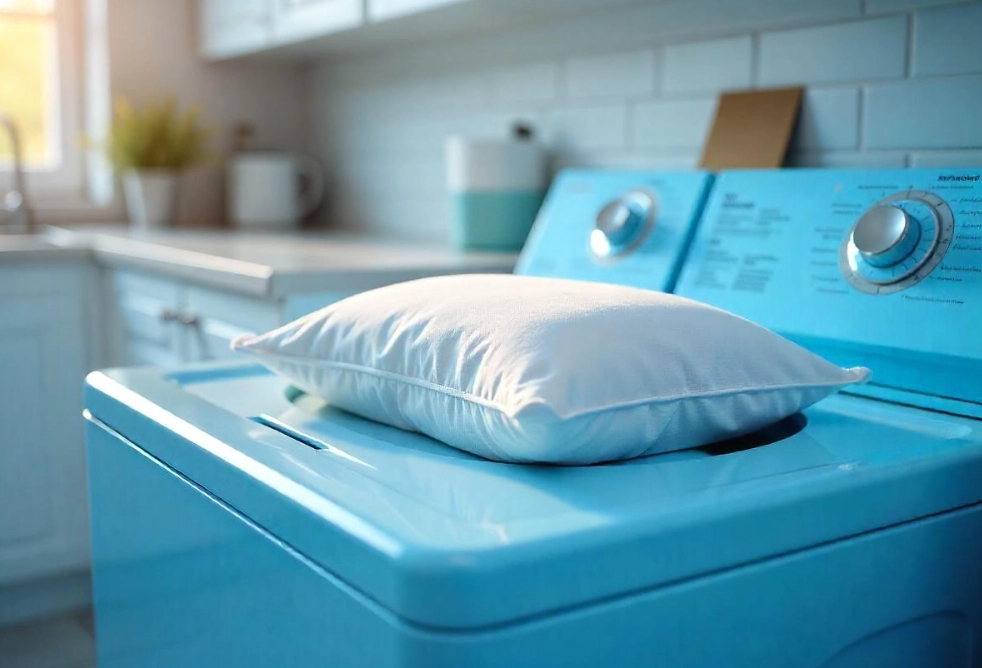
For the washer, use a front-loader if possible. Set it to a gentle or delicate cycle with cold or warm water (not hot—hot water can damage the down). If you have a top-loader, use the bulky items setting and minimize agitation. Some people add tennis balls to the dryer, but I find they can beat the pillow too hard. More on drying later.
Here's a quick table to summarize the washing setup:
| Element | Recommendation | Why It Matters |
|---|---|---|
| Detergent | Mild liquid detergent | Prevents residue buildup |
| Water Temperature | Cold or warm | Protects down structure |
| Washer Type | Front-loading (preferred) | Gentler on fabric and down |
| Cycle | Delicate or gentle | Reduces agitation risk |
| Extra Items | Wash alone or with similar items | Avoids imbalance and damage |
The Washing Process in Action
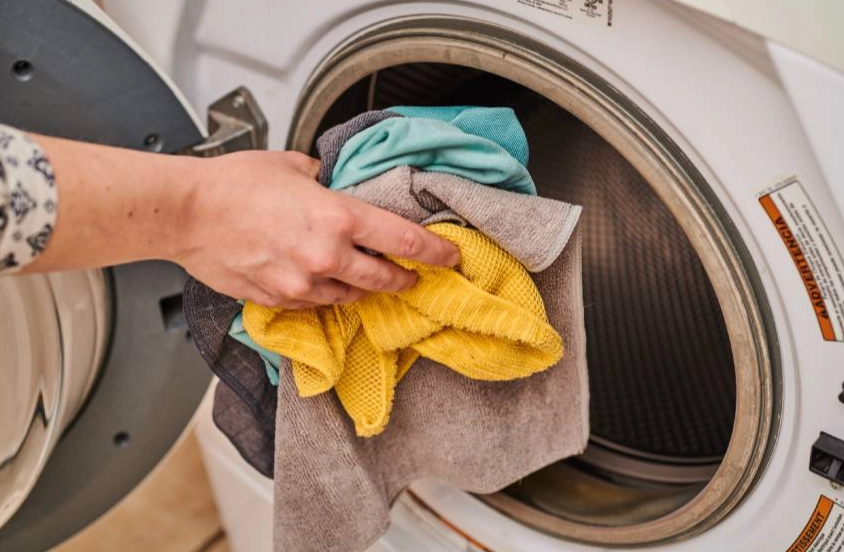
Place one or two pillows in the washer—don't overload. Balance is key. Start the cycle and let it run. After washing, the pillow will be heavy with water. Gently press out excess water without wringing or twisting. Wringing can tear the inner fabric.
If you're dealing with allergies, consider adding a hypoallergenic rinse. The Asthma and Allergy Foundation of America notes that regular washing can reduce allergens, but use fragrance-free products to avoid irritation.
Drying: The Most Critical Step Explained
This is where most people fail. Down holds moisture like a sponge. If you don't dry it thoroughly, mildew sets in. I learned this from a pillow that developed a faint smell after what I thought was a good dry.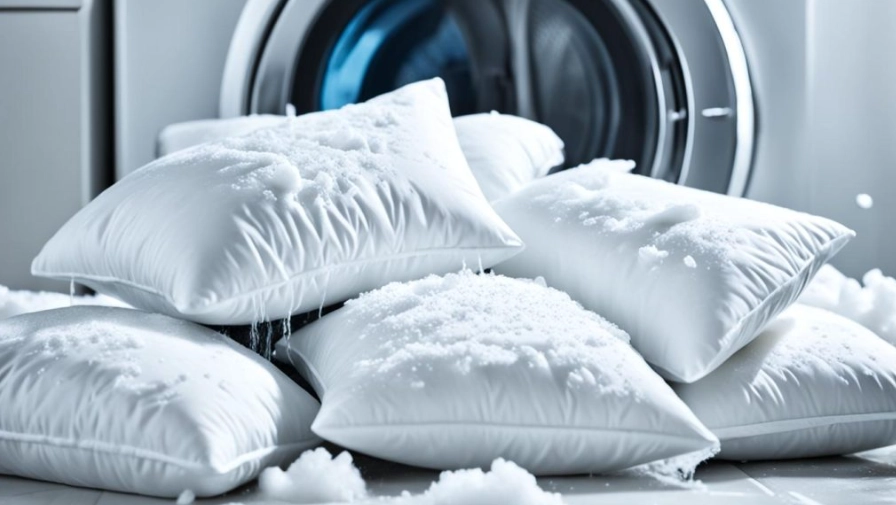
Use a dryer on low heat. High heat can scorch the fabric or cause the down to clump. Toss in two or three clean, dry tennis balls or wool dryer balls. They help break up clumps by bouncing around. But here's my non-consensus tip: add a dry towel to the dryer. It absorbs extra moisture and speeds up the process. Change the towel every hour if it gets damp.
Dry in intervals. Start with a 30-minute cycle on low, then stop and fluff the pillow by hand. Break apart any clumps you feel. Repeat until completely dry. This can take 2-3 hours, sometimes longer. Patience pays off.
To test dryness, feel the center of the pillow—it should be warm and completely dry, not cool or damp. If unsure, let it air-dry for a few more hours in a well-ventilated area. Sunlight helps kill bacteria, but don't leave it out too long to avoid fabric fading.
Common Mistakes That Ruin Down Pillows
I've seen these errors over and over. Avoid them to save your pillows.
Overloading the Washer: Washing multiple pillows at once can unbalance the machine and prevent proper cleaning. Stick to one or two max.
Using Too Much Detergent: Extra detergent doesn't mean cleaner. It leaves soapy residue that attracts dirt and weighs down the fluff. Use half the recommended amount.
Skipping the Fluffing During Drying: If you just set and forget the dryer, clumps will form. Stop every 30 minutes to redistribute the down manually.
Ignoring Small Tears: A tiny hole can become a feather explosion. Patch it with fabric glue or stitch it up before washing.
Rushing the Process: Washing down pillows isn't a quick task. Allocate a day for it, especially drying. I ruined a pillow by assuming it was dry after an hour—it wasn't.
Your Down Pillow Washing Questions Answered
 Washing down pillows might seem daunting, but with these steps, you'll keep them fresh and fluffy for years. Remember, the key is gentle handling and thorough drying. Don't rush it—your sleep quality depends on it. If you have more questions, drop a comment below. Happy washing!