You pull your favorite white t-shirt out of the dryer, expecting that crisp, bright look. Instead, it’s a dull, slightly grayish version of its former self. Maybe there’s a faint yellow tinge under the arms. Sound familiar? I’ve been there. I once ruined a perfectly good set of white bed sheets by assuming "hotter water equals cleaner whites." It didn't. It just set in some body oil stains and made the fabric feel rough.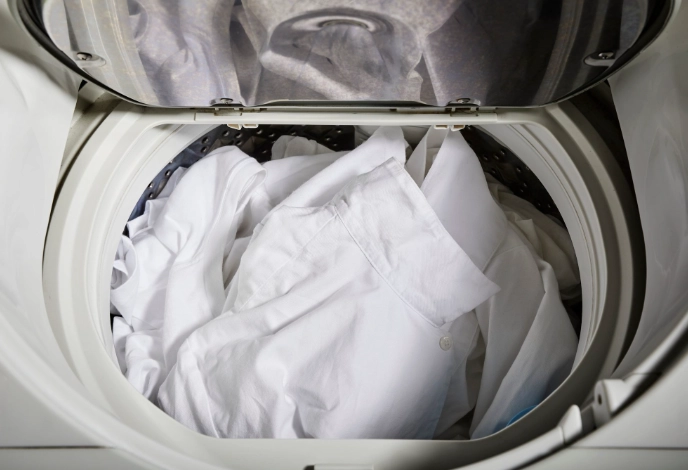
Washing whites isn't just about tossing them in with bleach. It's a system. Getting it right means your clothes look newer, longer, and you avoid that frustrating cycle of brightening and re-yellowing. Let's break down the real, actionable steps that go beyond the basic laundry tag instructions.
What You’ll Learn
Why Do Whites Lose Their Brightness?
It's not one thing, it's a combo. Think of a white cotton shirt as a blank canvas. Every wash adds tiny, nearly invisible strokes of gray, yellow, or blue.
Body soils are the main culprit. Invisible oils, sweat, and dead skin cells build up. Heat from your body and the dryer can oxidize these oils, turning them yellow. That's why collar and underarm yellowing is so common.
Hard water is a silent killer. Minerals like calcium and magnesium in your water bind to detergent and soils, creating a dull film. If your glasses spot when they dry, you likely have hard water.
Detergent residue. Using too much detergent, or the wrong kind, doesn't get fully rinsed out. That leftover soap acts like a magnet for dirt in the next wash.
Mixing with colors. Even slightly dyed items can release microscopic dye particles in a warm wash, graying your whites over time.
The Non-Negotiable Pre-Wash Sort
"Whites with whites" is too vague. You need sub-categories.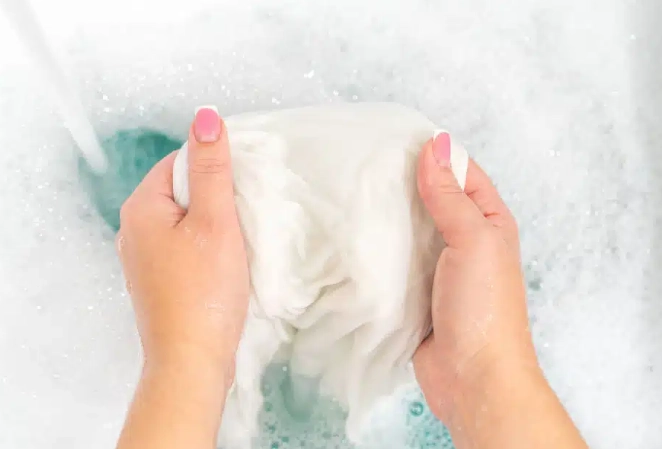
Category 1: Brilliant Whites
These are your pure, bright items with no patterns: white t-shirts, socks, underwear, towels, bedsheets. This is the load where you can safely use bleach or strong brighteners for maximum effect.
Category 2: Light Neutrals & Delicate Whites
Cream, ivory, very light gray, and white items with delicate lace or embroidery. Bleach will destroy these. They need a gentler brightening approach.
Category 3: Heavily Soiled Work Whites
Gardening clothes, workout gear, kitchen towels. The soil level is high, often with ground-in dirt or grease. Wash these separately to prevent them from soiling your brighter, lighter whites.
Check pockets. Every time. A single forgotten pen or lip balm is a disaster movie for a white load.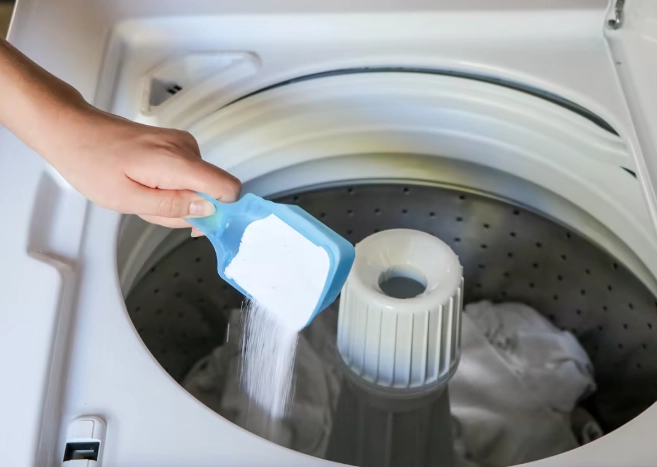
Your Stain Treatment Playbook
Pre-treating is the secret weapon. Here’s a quick-reference guide for common white fabric foes.
| Stain Type | Immediate Action | Best Pre-Treatment |
|---|---|---|
| Body Oil/Sweat (Yellowing) | Rinse area with cool water. | Apply a paste of baking soda & water, or a pre-wash stain remover directly to the area. Let sit 30+ min. |
| Grass | Scrape off excess. | Rubbing alcohol. Dab, don't rub. Then treat with liquid detergent. |
| Red Wine/Coffee | Blot, don't rub. Rinse from back of fabric. | Pour a bit of club soda through the stain, then apply liquid detergent. Salt can help on fresh wine stains. |
| Grease/Oil | Sprinkle cornstarch or baby powder to absorb. | Dish soap (like Dawn). It's designed to cut grease. Rub in, let sit 10 min. |
| Blood | Rinse with COLD water only. Hot water sets it. | Hydrogen peroxide (test on a seam first). It will fizz on contact. Rinse after a few minutes. |
Let pre-treatments sit for at least 15-30 minutes before washing. Overnight is even better for old or set-in stains.
The Step-by-Step Washing Process
1. Water Temperature: It's Not What You Think
The old rule was "hot water for whites." Modern detergents are formulated to work excellently in cold water. The American Cleaning Institute notes that washing in cold water is sufficient for most laundry and saves energy. However, for seriously soiled whites or sanitizing needs (like kitchen towels), warm water (around 40°C / 104°F) is your best bet. It helps dissolve oils and soils better than cold without the harshness or shrinkage risk of hot water. Reserve hot water for all-cotton, non-delicate items that need sanitizing.
2. Choosing Your Detergent & Boosters
For your "Brilliant Whites" load, use a detergent with optical brighteners. These are UV-active compounds that make fabrics appear brighter by converting UV light to blue light. They don't clean, they just make things look whiter.
Boosters are key:
- Oxygenated Bleach (OxiClean, etc.): Your new best friend. It's color-safe, breaks down organic stains, and brightens. Add it to every white wash. It's especially crucial in cold water washes.
- Liquid Chlorine Bleach: The heavy artillery. Use it sparingly, only on all-white, sturdy cottons. It disinfects and removes severe stains but can damage elastic, wool, silk, and spandex. Never pour directly on clothes—add it to the dispenser or dilute it in water first.
- Bluing Agent: An old-school trick. It adds a minuscule amount of blue dye to counteract yellow tones. Useful for restoring off-white items.
3. The Wash Cycle
Use the longest wash cycle available for heavily soiled loads. This gives the detergent and boosters time to work. An extra rinse cycle is a good idea if you have hard water or sensitive skin, to ensure all residue is removed.
Why Drying Matters Just as Much
Heat sets stains. If you didn't get a stain out completely in the wash, the dryer's heat will bake it in forever.
Always air-dry stained items first to check if the stain is gone. Hold it up to the light.
For bright whites, sunshine is a fantastic, free natural bleach. The UV rays help break down stain molecules and brighten. Line-dry your whites outside when you can. Just be mindful of pollen if you have allergies.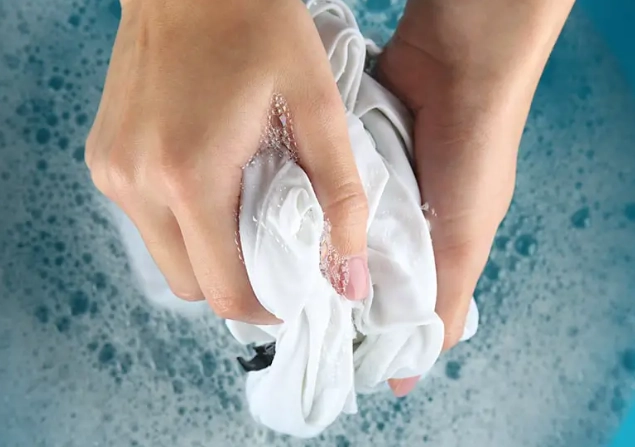
If using a dryer, use a medium heat setting. High heat can cause yellowing over time by degrading cotton fibers and oxidizing any tiny residual soils. Remove items promptly to prevent wrinkles, which can hold onto mineral deposits in hard water areas.
How to Rescue Already Yellowed Whites
All is not lost. Here are two effective soaks.
The Oxygen Bleach Soak: Fill a bathtub or large bucket with the hottest water safe for the fabric. Dissolve one full scoop of oxygen bleach powder. Submerge the yellowed items and let them soak for 6-8 hours, or overnight. Agitate occasionally. Then wash as normal. This works wonders on dingy towels and sheets.
The Blueing Soak (for grayish tones): For whites that have taken on a gray cast from dye transfer, try a color-remover product like RIT Color Remover. Follow the package directions carefully. It works by reducing dyes, not bleaching fabric.
For persistent underarm yellowing on cotton, a paste of baking soda and hydrogen peroxide (again, test first!) scrubbed into the area before a soak can be effective.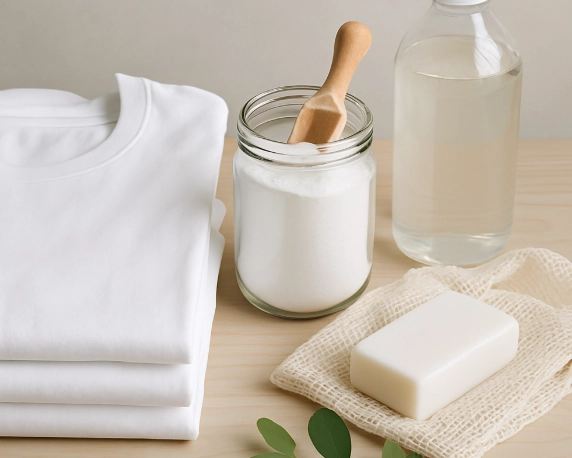
Your White Laundry Questions, Answered
Can I use bleach on all white fabrics?
No, and this is a quick way to ruin clothes. Chlorine bleach is only safe for solid white, 100% cotton, linen, or polyester. It will destroy spandex (think waistbands), elastic, wool, silk, and any fabric with a care label that says "No Bleach." It also weakens fibers over time. If in doubt, use oxygen bleach—it's almost always safe.
My white clothes look gray after washing. What happened?
This is usually one of three things. First, you're likely washing them with lighter colors or prints that are releasing dye. Sort more strictly. Second, you might be using too much detergent, which leaves a residue that traps dirt. Try using half the recommended amount. Third, it could be hard water mineral buildup. Run a washing machine cleaner and consider adding a water softener like borax to your wash.
Is vinegar safe to use when washing whites?
Vinegar is a great natural fabric softener and odor remover, but use it cautiously. It can neutralize the brightening agents in some detergents if added to the main wash. Instead, add 1/2 cup of white vinegar to the fabric softener dispenser or during the final rinse cycle. Never mix it with chlorine bleach.
How often should I wash my white bedsheets to keep them bright?
Weekly washing is ideal. Body oils and sweat accumulate quickly and are the primary cause of yellowing. Washing weekly prevents these soils from building up and becoming harder to remove. Always wash new white sheets before first use to remove any manufacturing residues.
What's the one tool that makes the biggest difference?
A good stain-treating brush or an old, clean toothbrush. Scrushing a pre-treatment into the fabric fibers—gently, in a circular motion—is far more effective than just dabbing it on the surface. It helps the solution penetrate the stain, especially on thicker fabrics like towels or cotton twill.
The goal isn't perfection, it's preservation. A disciplined sort, a quick pre-treatment, the right booster, and mindful drying will keep your whites looking crisp wash after wash. It takes a few extra minutes, but it beats buying a new white t-shirt every few months. Start with your next load—sort those light neutrals out and see the difference.