Let's be honest—washing a down comforter feels like a gamble. You love its warmth, but the thought of it coming out lumpy or ruined keeps you up at night. I've been there. After years of trial and error (including a disaster where my comforter turned into a sad, flat pancake), I've nailed down the process. This guide cuts through the noise and gives you a straightforward plan to wash your down comforter safely at home. No fluff, just practical steps.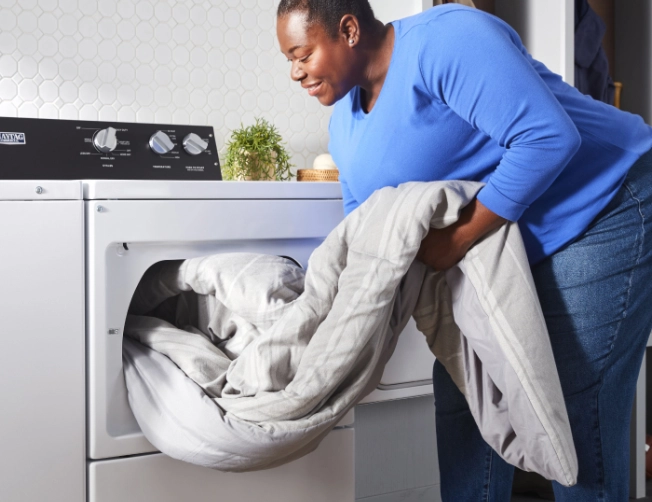
Quick Navigation: What's Inside
Why Washing Your Down Comforter is Different
Down comforters aren't like your regular cotton sheets. The filling—those fluffy clusters from ducks or geese—is delicate. If you treat it like a towel, you'll end up with clumps that never bounce back. I learned this the hard way when I used hot water and a heavy-duty cycle. The down stuck together, and it took weeks of sun-drying to partially recover.
The Structure of Down Clusters
Down clusters have tiny filaments that trap air, creating insulation. When wet, they can mat down if not handled gently. According to the International Down and Feather Bureau, proper drying is critical to maintain loft. Most people skip this and ruin their bedding.
Common Mistakes to Avoid
Here's what I see folks do wrong all the time:
- Using too much detergent – Residue sticks to down, making it heavy and clumpy.
- High heat drying – It scorches the down fibers, reducing fluffiness permanently.
- Overloading the washer – The comforter needs space to move; cram it in, and it won't get clean.
Step-by-Step Guide to Washing a Down Comforter
This isn't rocket science, but attention to detail matters. Follow these steps, and your comforter will come out fresh and fluffy.
Pre-Wash Preparation
Start by inspecting your comforter. Look for tears or loose seams—stitch them up to prevent down from escaping during the wash. Shake it out to distribute the down evenly. If there are stains, pre-treat with a mild stain remover like OxiClean. I use a mix of water and white vinegar for organic stains; it works wonders without harsh chemicals.
Choosing the Right Detergent
Skip regular detergents. They often have additives that coat down. Opt for a down-specific detergent or a mild, liquid detergent like Woolite. I prefer brands like Nikwax Down Wash—it's designed to rinse clean. Use half the recommended amount; more isn't better here.
Machine Washing vs. Hand Washing
Most people use a machine, and it's fine if you have a large-capacity front-loader. Top-loaders with agitators can tear the fabric, so avoid them. If you must hand-wash, use a bathtub with lukewarm water. Gently press the comforter to soak, but don't wring or twist.
| Method | Best For | Key Steps |
|---|---|---|
| Machine Washing | Front-loading washers, large capacity | Use gentle cycle, cold water, extra rinse |
| Hand Washing | Small spaces, delicate comforters | Soak in tub, gentle agitation, thorough rinsing |
My go-to is machine washing. Set the washer to a gentle or delicate cycle with cold water. Add the detergent to the dispenser, not directly on the comforter. Run an extra rinse cycle to ensure all soap is out—soap residue is the enemy of fluff.
The Drying Process: Crucial for Fluffiness
This is where most fail. Drying a down comforter takes patience. Use a large dryer with no heat or low heat setting. Toss in a few dryer balls or clean tennis balls; they help break up clumps by bouncing around. I once forgot the balls, and the down clumped badly—lesson learned.
Dry in intervals: 30 minutes on low heat, then take it out and shake it vigorously. Repeat until completely dry. This can take 2-4 hours. Check for damp spots by feeling the center; if it's cool or moist, keep drying. Under-drying leads to mildew, and trust me, that smell is hard to get rid of.
Troubleshooting Common Issues
Even with care, things can go sideways. Here's how to fix common problems.
How to Fix Clumped Down
If your down comforter comes out lumpy, don't panic. Put it back in the dryer with dryer balls on no heat for 20 minutes. After that, lay it flat and gently massage the clumps apart with your hands. I've salvaged comforters by doing this over a couple of days—persistence pays off.
Dealing with Stains and Odors
For stubborn stains, mix a paste of baking soda and water, apply lightly, and let it sit before washing. Musty odors? Add a cup of white vinegar to the rinse cycle. It neutralizes smells without leaving a scent. My comforter once smelled like damp dog after a wash; vinegar fixed it in one go.
Frequently Asked Questions
Washing a down comforter doesn't have to be scary. With the right steps—gentle washing, thorough drying, and a bit of patience—you can keep it fresh for years. I still use the same comforter I washed poorly years ago; it's proof that recovery is possible. Give it a try, and enjoy that cozy, clean feel.