You got the summons. Now you're staring at your closet, paralyzed. What do you wear to jury duty? It's not a job interview, it's not a wedding, but it's definitely not a day for your favorite ripped jeans. The wrong outfit can make you feel uncomfortable, disrespectful, or even get you sent home. Let's cut through the anxiety. Dressing appropriately is about showing respect for the court and ensuring you're taken seriously. This guide gives you clear, actionable outfit ideas and the reasoning behind them, so you can walk in feeling confident, not confused.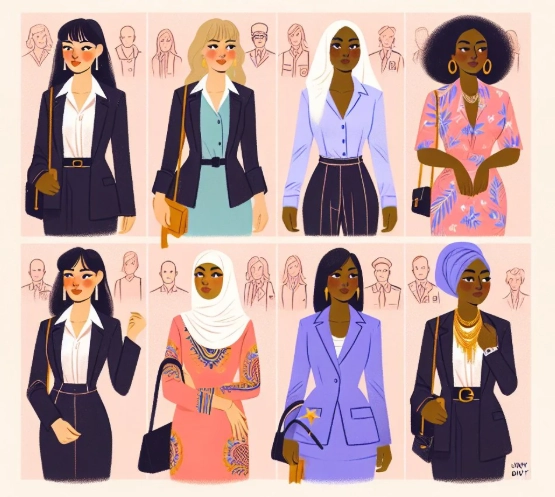
Your Quick Navigation Guide
Understanding the Official Jury Duty Dress Code
Most courthouses don't hand you a detailed fashion pamphlet. The summons might just say "business casual" or "appropriate attire." That vagueness is the problem. I've been through this process, and the unspoken rule is this: you're aiming for the conservative end of business casual. Think of it as dressing for a serious office job or a meeting with a bank manager.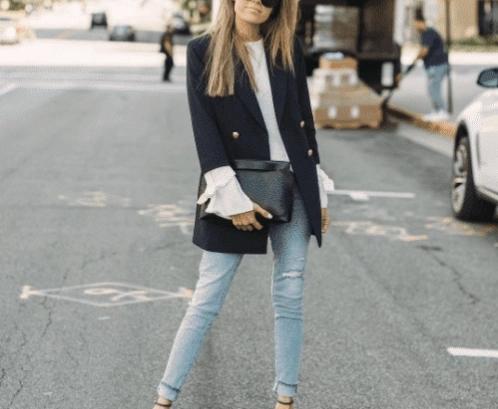
The U.S. Courts website generally advises against shorts, tank tops, flip-flops, and hats. But that's just the bare minimum. The real goal is to project neutrality, respect, and attentiveness. You don't want your clothing to distract anyone—the judge, the lawyers, or your fellow jurors. Flashy logos, overly tight fits, or excessively casual wear can unconsciously influence how others perceive your credibility. I once saw a potential juror almost dismissed because their t-shirt had a politically charged slogan. The judge didn't say a word about it, but the attorneys noticed.
How to Choose the Right Fabrics for Long Court Days?
This is the part most guides miss, and it's crucial for comfort. You could be sitting in a courtroom or a jury room for 6-8 hours. The temperature is notoriously unpredictable—often too cold from aggressive A/C, sometimes stuffy. Your fabric choices make or break your day.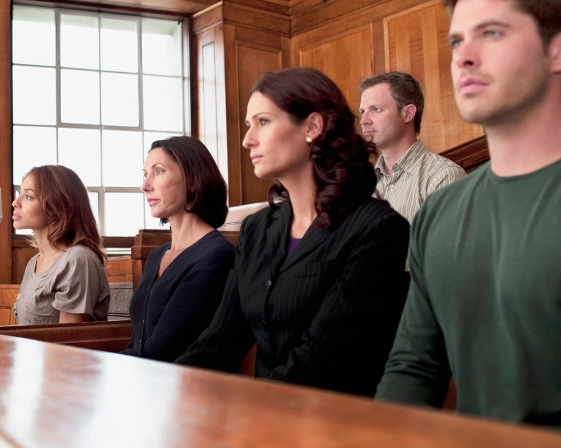
Avoid these fabrics: Pure linen wrinkles into a mess by lunch. Thin, cheap cotton (like some polo shirts) can look sloppy and feel clingy. Stiff, non-breathable synthetics will make you sweat and fidget.
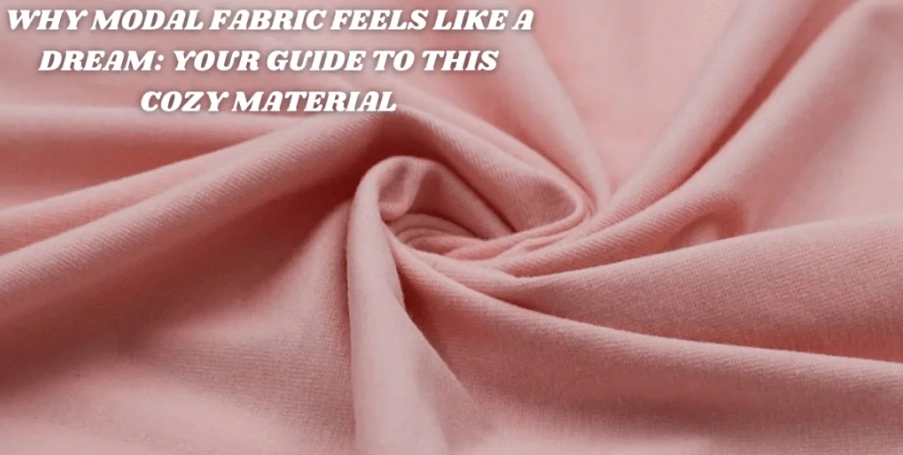
Opt for these instead: Look for blended fabrics. A cotton-polyester blend for shirts or blouses resists wrinkles better than pure cotton. Wool blends (even light summer wool) for blazers or trousers are temperature-regulating. For women, ponte knit is a secret weapon—it's a structured, thick knit that feels like sweats but looks like professional attire and doesn't wrinkle. For everyone, merino wool base layers are fantastic if you run cold; they're thin, warm, and don't add bulk under your clothes.
Pro Tip from Experience: The courtroom chair test. Before you commit to an outfit, sit in a firm, upright chair at home for 20 minutes. Does the fabric bunch uncomfortably? Does the waistband dig in when you're seated? You'll thank yourself later.
Specific Outfit Ideas for Men and Women
Let's get concrete. Here are battle-tested combinations that work. The table below gives you a solid starting point.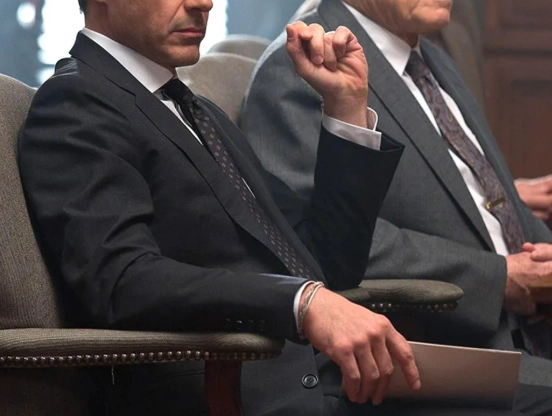
| For Men | For Women |
|---|---|
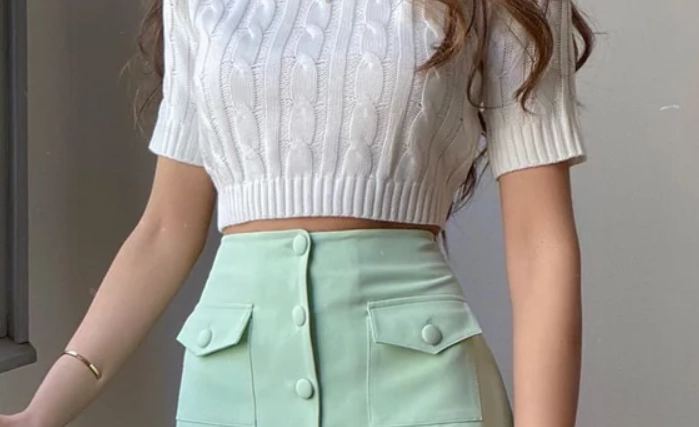
| The Safe Bet: A long-sleeve, button-down shirt in a solid color (light blue, white, pale gray) or subtle stripe. Pair with chinos or dress trousers (navy, gray, khaki). Leather belt and leather shoes (loafers or oxfords). A blazer is optional but highly recommended—it instantly elevates the look and is perfect for variable temperatures. | The Versatile Core: A knee-length or longer sheath dress, a wrap dress, or a blouse with a cardigan or blazer. Pair with trousers, a pencil skirt, or a conservative A-line skirt. Closed-toe flats, low block heels, or clean leather sneakers work for shoes. |
| The No-Blazer Option: A high-quality polo shirt (pique cotton, no giant logos) with well-fitted, non-cargo chinos. This works best in warmer climates or more relaxed courtrooms, but a blazer in your bag is still a smart backup. | The Separates Power Combo: A silk or satin-blend blouse tucked into wide-leg trousers. This is incredibly comfortable, looks polished, and the flowing pants hide a multitude of sins if you're shifting in your seat. |
| Footwear Focus: This is non-negotiable. Clean, polished leather shoes. Avoid sneakers, sandals, or overly casual boots. Your feet will thank you for supportive insoles if you're standing a lot. | Footwear Focus: Comfort is king. A low, chunky heel (1-2 inches) or a quality flat with arch support. Avoid stilettos (they're loud on floors) and brand-new shoes you haven't broken in. |
Building a "Jury Duty Capsule"
Don't buy a whole new outfit. Think about pieces you can mix. A neutral blazer (navy, black, gray) goes over almost anything. A pair of dark, non-denim trousers is more versatile than you think. For women, a simple shell or camisole under a blazer lets you adjust to the room's temperature easily.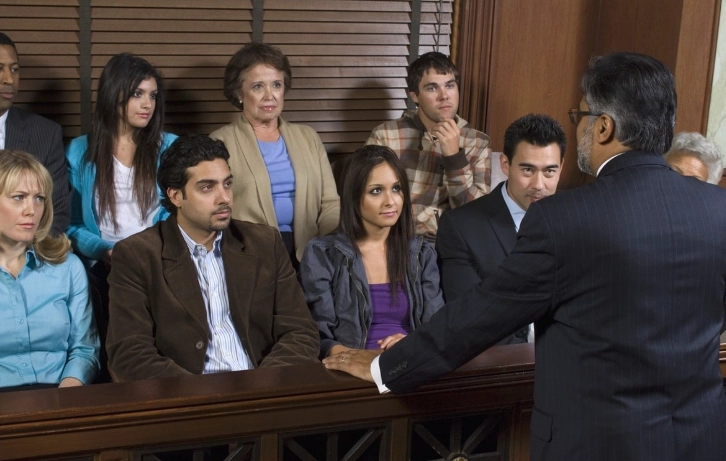
What NOT to Wear to Jury Duty: Common Mistakes
This list is based on observations and conversations with court officers. It's not about being fashionable; it's about avoiding distractions and showing basic decorum.
- Graphic Tees & Slogans: Any text or image could be related to the case. Just don't.
- Overly Casual Legwear: Jeans (even dark ones), leggings as pants, shorts, sweatpants. They often read as disrespectful, regardless of your intent.
- Revealing Clothing: Low-cut tops, short skirts/shorts, sheer fabrics without proper lining. The courtroom is not the place.
- Worn-Out Footwear: Dirty sneakers, flip-flops, sandals (even dressy ones are risky). They undermine a otherwise put-together look.
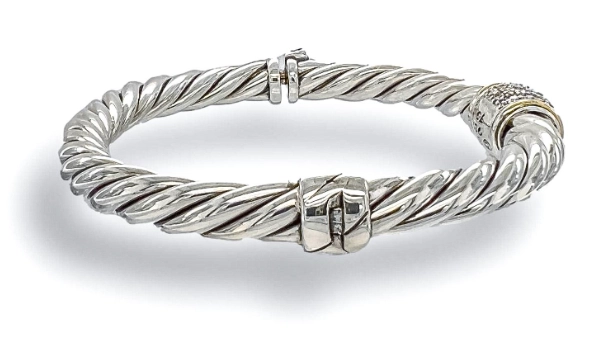
- Excessive Accessories: Loud jewelry that jingles, multiple bracelets, hats (once inside). Keep it minimal.
- Strong Scents: Heavy perfume or cologne. People are confined in a room together for hours. Be considerate.
Beyond Clothing: Practical Tips for Jury Service
Your outfit is the foundation, but these details complete the picture.
Layering is Your Best Friend. Always, always bring an extra layer. A cardigan, a blazer, a lightweight sweater. I've frozen in a courthouse in July. A pashmina or scarf for women is both warm and looks professional.
The Bag Matters. You'll need to carry your summons, ID, a book, maybe a lunch. A tote bag, a structured satchel, or a sleek backpack is fine. Avoid giant, sloppy backpacks or beach bags. You want to look organized.
Grooming Counts. Neat, clean hair. Trimmed nails. It's all part of the overall impression of respect for the institution.
Prepare for the Wait. You might spend hours in a waiting room before even being called. Wear something you can sit in comfortably. Bring reading materials that are neutral (avoid true crime if you're there for a criminal case!).
Your Jury Duty Attire Questions Answered
The bottom line? Dressing for jury duty is less about strict rules and more about mindful choices. When in doubt, err on the side of slightly more formal. It shows you understand the gravity of the process. Choose comfort-focused fabrics and layers, and you'll be able to focus on your civic duty, not your outfit. Now you can open that closet with a plan.