You love that hat. It fits perfectly, it's broken in just right, and it's your go-to for sunny days or bad hair days. But now it's got a sweat stain on the brim and smells a bit... lived-in. Throwing it in the washing machine seems risky. Hand-washing feels like a chore. I get it. I've been there, and I've also made the mistake of tossing a beloved wool cap into hot water, only to pull out a felted, doll-sized version. Let's not do that. Washing hats isn't hard, but doing it wrong is permanent. This guide cuts through the guesswork.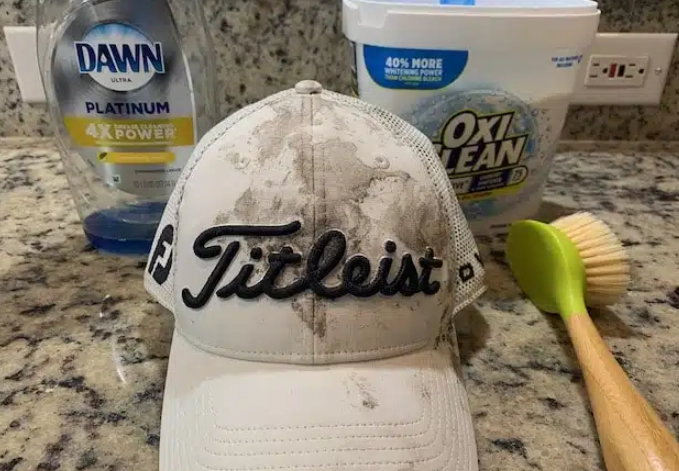
Quick Navigation: Find Your Hat's Wash Method
- Why Getting Hat Cleaning Right Matters
- How to Wash Hats by Material (The Essential Guide)
- 5 Common Hat Cleaning Mistakes That Ruin Your Gear
- The Foolproof Step-by-Step Hand-Washing Method
- How to (Safely) Wash Hats in a Washing Machine
- Drying and Storing Your Hats to Keep Their Shape
- Your Hat Washing Questions, Answered
Why Getting Hat Cleaning Right Matters
It's not just about looks. Dirt, sweat, and oils break down fibers. A dirty sweatband can irritate your skin. For structured hats like baseball caps or fedoras, improper washing destroys the internal support, leaving you with a sad, floppy mess. The goal isn't just clean; it's clean and intact. A good cleaning extends the life of your hat by years.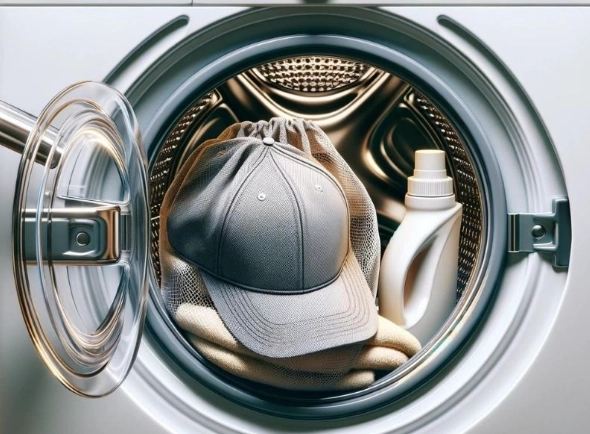
Pro Tip: The single most important rule? Check the care label first. If it says "Dry Clean Only," especially on a fancy wool felt or structured hat, listen to it. Home washing will likely end in tears.
How to Wash Hats by Material (The Essential Guide)
This is where most guides are too vague. "Use gentle soap" doesn't help when you're staring at a straw hat versus a polyester trucker cap. Material dictates everything.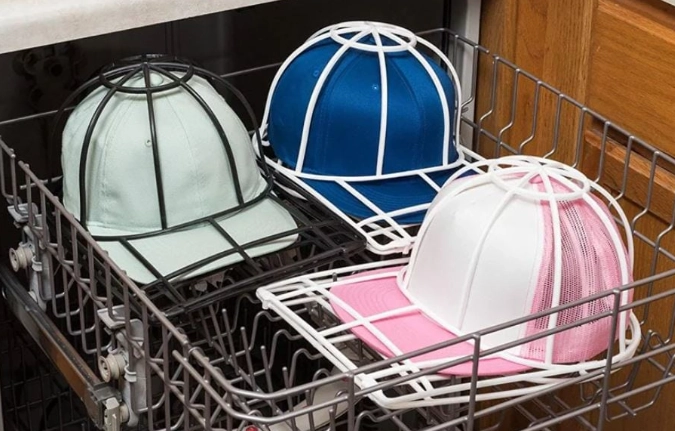
| Hat Material | Best Cleaning Method | Key Do's | Key Don'ts |
|---|---|---|---|
| Cotton (e.g., standard baseball caps, beanies) | Hand-wash or gentle machine cycle. | Use cold water. Spot clean stains first. | Don't use bleach (it weakens fibers). Avoid high heat drying. |
| Wool (e.g., winter beanies, fedoras, felt caps) | Hand-wash only with wool-specific detergent. | Use cold water. Reshape while damp. Air dry flat. | NEVER use hot water (causes felting/shrinkage). Don't wring or twist. |
| Synthetic (Polyester, Nylon, Acrylic) | Hand-wash or gentle machine cycle. Very durable. | Cold to warm water is fine. Air dries quickly. | Avoid high-heat dryers as it can melt fibers or cause warping. |
| Straw & Raffia | Surface cleaning only. Wipe with damp cloth. | Use mild soapy water. Wipe gently along the weave. Air dry completely in shade. | Never submerge. Avoid excessive moisture which causes straw to swell and lose shape. |
| Tweed & Structured Wool | Professional dry cleaning recommended. | Use a soft brush for dust. Steam to refresh. | Do not hand-wash. Water will ruin the shape and stiffening. |
See the difference? A polyester running cap can handle a gentle machine wash, but that beautiful Panama straw hat just needs a wipe. Most of your everyday hats—cotton caps, acrylic beanies—fall into the hand-wash or gentle machine-wash category.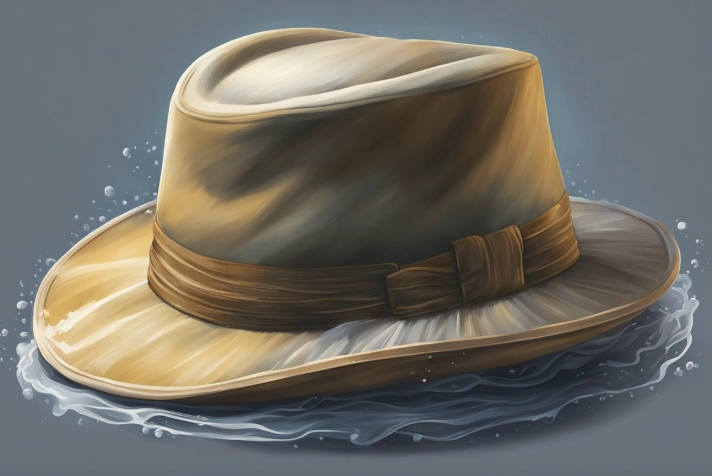
The Special Case of the Baseball Cap
Let's get specific, because "how to wash baseball caps" is probably why you're here. Most modern caps are a mix: a polyester front panel, cotton sweatband, and a plastic mesh back. The plastic brim is the tricky part. High heat can warp it permanently.
My method? For a standard cap, I use the top rack of the dishwasher. Sounds crazy, but hear me out. No detergent. Just place it on the top rack, run a normal cycle without heat dry, and let it air dry. The water pressure and heat clean it without the agitation of a washing machine that can misshape the crown. For older or more delicate caps, stick to hand-washing.
5 Common Hat Cleaning Mistakes That Ruin Your Gear
I've learned these from experience and from talking to folks who run hat restoration businesses.
- Using Hot Water on Natural Fibers: This is the #1 killer of wool and cotton hats. Hot water causes wool to felt and shrink dramatically. Cotton can also shrink and fade. Always start with cold.
- Scrubbing Stains Aggressively: You grind the dirt deeper into the fiber. Blot, don't scrub. Apply a bit of detergent directly to the stain, let it sit for 10 minutes, then gently dab or use a soft brush.
- Using Harsh Detergents or Bleach: Standard laundry detergents can be too strong. Bleach eats away at fibers and causes yellowing on whites over time. Opt for a mild liquid detergent, castile soap, or a dedicated wool wash.
- Putting Hats in the Dryer: Just don't. The tumbling destroys structure, and the heat shrinks fabrics and can warp brims. Air drying is non-negotiable.
- Wringing Out Water: Twisting a hat to get water out will twist the fabric out of its original shape forever. Press the water out gently between clean towels.
Watch Out: That "sanitize" cycle on your washer or dishwasher? It's way too hot for any hat. Avoid it completely.
The Foolproof Step-by-Step Hand-Washing Method
This works for 90% of washable hats: cotton caps, beanies, synthetic blends. Let's walk through it.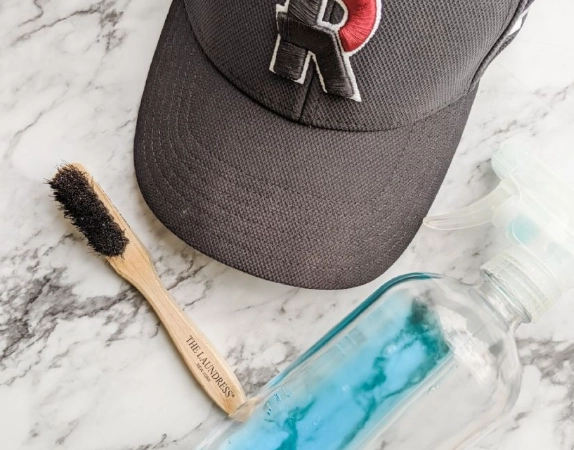
Your Hand-Washing Toolkit:
- A clean sink or basin
- Cold or lukewarm water
- Mild liquid detergent (like Woolite, Dawn dish soap, or castile soap)
- A soft-bristled brush (an old toothbrush is perfect)
- Clean, white towels
- A hat form, balloon, or large can to dry it on (for structured caps)
Step 1: Prep. Fill your sink with cool water and a small amount of detergent. Swirl to mix. Don't over-soap.
Step 2: Spot Clean. Before submerging, take your soft brush, dip it in the soapy water, and gently work on any visible stains on the brim or front panel. For sweat stains on the inner band, pay extra attention here.
Step 3: Submerge and Soak. Place the hat in the water. Gently swish it around. Let it soak for 30-60 minutes. This loosens deep-down grime and sweat. Don't leave it for hours.
Step 4: Rinse. Drain the soapy water. Refill the sink with clean, cold water. Swish the hat to rinse. Repeat until the water runs clear and no suds remain. Soap residue attracts more dirt.
Step 5: Remove Water. This is critical. Do not wring. Press the hat gently against the side of the sink to push out water. Then, lay it on a thick, clean towel. Roll the towel up with the hat inside and press gently to absorb more moisture.
Now, move to drying.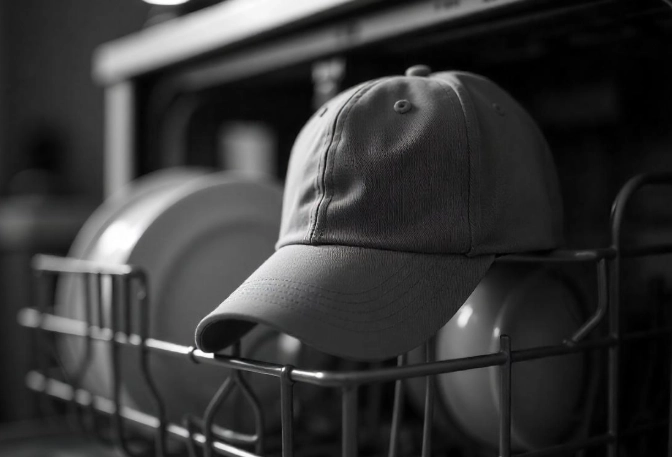
How to (Safely) Wash Hats in a Washing Machine
If you're washing multiple cotton or synthetic hats, the machine can be okay—if you take precautions. I only recommend this for durable, unstructured hats like knit beanies or very sturdy cotton caps.
The Rules for Machine Washing Hats:
- Use a Hat Cage or Laundry Bag: A plastic hat cage (like the "Hat-2-O" or similar) is the best investment. It protects the shape. A zippered pillowcase or delicate laundry bag is the bare minimum.
- Cold Water, Gentle Cycle: Always. The "delicate" or "hand-wash" setting is your friend.
- Mild Detergent: Use half the normal amount.
- No Spin or Low Spin: High-speed spinning can mangle a hat. If your machine allows, reduce the spin speed.
- Wash With Similar Items: Don't throw one hat in with a heavy pair of jeans. Wash with other lightweight, color-fast items like t-shirts.
Even then, machine washing is a risk. Hand-washing gives you control.
Drying and Storing Your Hats to Keep Their Shape
Drying is arguably more important than washing.
For Knit Beanies & Unstructured Hats: Lay them flat on a dry towel, reshape them, and let them air dry away from direct sunlight or heat sources.
For Structured Caps (Baseball Caps, etc.): This is where you need to preserve the crown shape. Do not lay it flat—the brim will dry bent. Instead:
- Use a dedicated hat form.
- Or, inflate a balloon to roughly the size of your head and place the hat on it.
- Or, find a large can (like a coffee can) or a small mixing bowl that fits snugly inside the crown.
Place the hat on the form/can/bowl and let it air dry completely. This can take 24-48 hours. Be patient.
Storage: Don't stack heavy items on top of hats. For caps, clip them to a hat rack or store them on shelves crown-down to protect the brim. For delicate straw or felt hats, keep them in a box with tissue paper to support the crown.