You wake up to that familiar, sinking feeling. A cold, damp patch. The sharp, unmistakable smell. Whether it's a potty-training toddler, a sick pet, or an unfortunate adult accident, urine on a mattress feels like a domestic disaster. The immediate panic is real—will it stain forever? Will the smell never leave? I've been there. I once ruined a perfectly good mattress protector by scrubbing a fresh urine spot with hot water and soap, which basically cooked the proteins into the fabric, setting the stain and odor permanently. It was a costly lesson.
Here's the truth most quick online guides skip: successfully washing urine out of a mattress isn't just about cleaning a spill. It's a three-part battle against stains, odor-causing bacteria, and lingering uric acid crystals that reactivate with humidity. Miss one, and the problem comes back. This guide walks you through the exact process, from immediate blotting to long-term odor eradication, using methods that actually work based on chemistry, not just old wives' tales.
What's Inside This Guide
Gathering Your Arsenal: What You'll Need
Before you start dousing the mattress, get your supplies ready. Rushing leads to mistakes. You likely have most of this at home.
- White Vinegar: The acidity neutralizes ammonia in urine and breaks down uric acid. Don't use colored vinegar.
- Baking Soda: A mild abrasive and brilliant odor absorber.
- Hydrogen Peroxide (3%): A bleaching and disinfecting agent. Great for stains.
- Enzymatic Cleaner: This is the secret weapon for odors. Enzymes eat the urine bacteria. Brands like Nature's Miracle or Rocco & Roxie are popular.
- Clean White Cloths or Paper Towels: Colorful towels can transfer dye.
- Spray Bottles: At least two.
- A Vacuum Cleaner with an upholstery attachment.
- Dish Soap (clear, mild).
| Material | Primary Role | Key Tip |
|---|---|---|
| White Vinegar | Neutralizer & Deodorizer | Mix 50/50 with cold water in a spray bottle. |
| Baking Soda | Odor Absorber | Let it sit for at least 8 hours, preferably overnight. |
| 3% Hydrogen Peroxide | Stain Remover & Disinfectant | Always test for colorfastness. Mix with a drop of dish soap. |
| Enzymatic Cleaner | Odor Eliminator (Biological) | It needs time to work. Don't rinse it off immediately. |
| Cold Water | Rinsing & Diluting | Never use hot water initially—it sets protein stains. |
Step-by-Step: How to Clean Fresh Urine from a Mattress
Time is your biggest ally with a fresh accident. Follow these steps in order.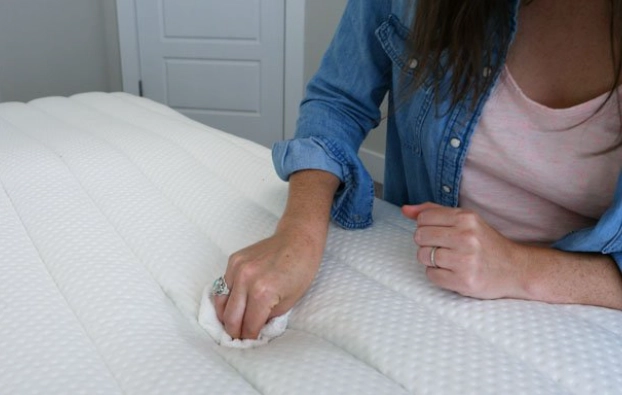
1. Blot, Don't Rub (The Most Common Mistake)
Immediately press clean, absorbent towels or paper towels onto the wet spot. Apply firm, downward pressure. Rubbing is the enemy—it pushes the urine deeper into the mattress layers, spreading the stain and odor. Keep blotting with dry sections of towel until no more moisture transfers. This step alone removes about 70% of the problem if done thoroughly.
2. The Vinegar Rinse
Mix equal parts cold water and white vinegar in a spray bottle. Lightly mist the entire affected area. Don't soak it. The vinegar smell is strong but will dissipate, taking the urine ammonia smell with it. Let it sit for 5-10 minutes.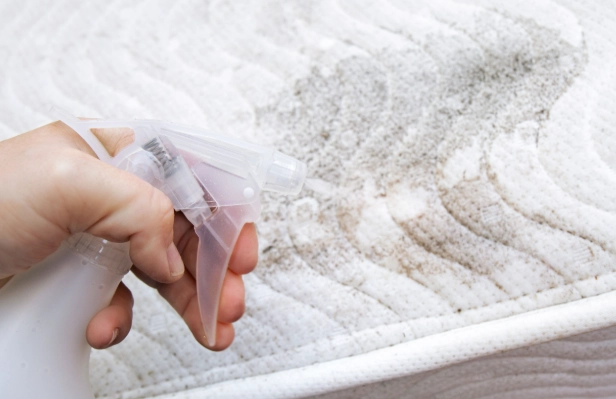
3. Blot Again
Using fresh dry towels, blot up all the vinegar solution you just applied. Again, press firmly.
4. Apply Your Cleaning Solution
For most light stains, create a solution of 2 parts cold water, 1 part hydrogen peroxide, and a small squirt of clear dish soap. Shake gently in a spray bottle. For more stubborn fresh stains or if you're wary of peroxide, use a store-bought enzymatic cleaner according to its label. Spray a moderate amount onto the stain.
5. The Final Blot and Baking Soda Application
Let the cleaning solution sit for 15 minutes, then blot up any excess moisture. Now, cover the entire damp area with a generous layer of baking soda. The baking soda will pull remaining moisture and odors to the surface. Think of it as a desiccant and deodorizer in one.
Tackling Set-In Stains and Old Odors
Old urine stains are a different beast. The liquid has evaporated, leaving behind concentrated uric acid salts and bacteria deep in the mattress core. Humidity (from sweat, air moisture) can rehydrate these salts, causing the smell to “come back” randomly. Here's how to attack it.
First, identify the exact spots. A blacklight flashlight (like those used for pet stains) will make old urine deposits glow a yellowish-green. Mark the edges with chalk or small stickers.
Your goal is to re-dissolve the uric acid crystals so you can extract them.
- Vinegar Soak: Mix a stronger solution of 1 part vinegar to 1 part water. Spray liberally on the stained areas, enough to dampen the mattress an inch deep. Let it sit for 30 minutes. The acid in the vinegar helps break down the crystalline structure.
- Enzymatic Cleaner Deep Treatment: This is non-negotiable for old odors. Soak the area with the enzymatic cleaner, following the product's instructions for set-in stains. You need to saturate the zone so the enzymes penetrate. Let it sit for the full recommended time, often several hours. Do not blot yet.
- Baking Soda Paste for Stains: For visible yellow/brown stains, make a paste of baking soda and hydrogen peroxide (add a drop of dish soap). Spread it over the stain about 1/4 inch thick. Let it dry completely. This can take a full day. As it dries, it lifts the stain.
How to Disinfect and Deodorize Deeply
Cleaning isn't sanitizing. Urine can harbor bacteria like E. coli. After the stain is treated, you need to disinfect.
A light mist of hydrogen peroxide (3%) left for 10 minutes before blotting is effective. For a broader-spectrum approach, the Environmental Protection Agency (EPA) maintains a list of approved disinfectants. A diluted bleach solution (1/2 cup bleach to 1 gallon water) can be used on light-colored, bleach-safe mattresses, but test first and ensure the room is ventilated.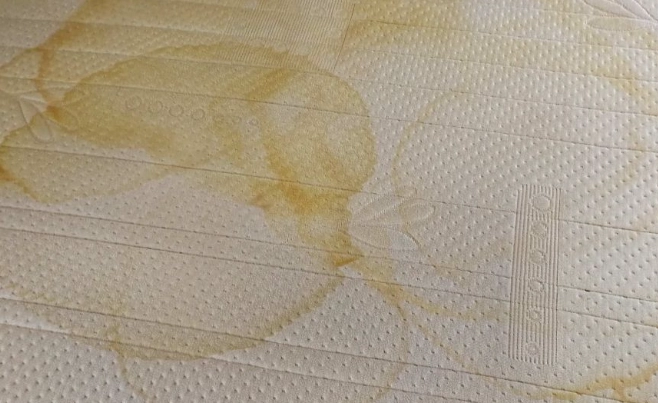
The final deodorizer is your baking soda layer. Leave it on for at least 8 hours, but 24 is ideal. It works by adsorption, trapping odor molecules.
The Critical Drying Phase & How to Prevent Future Accidents
A damp mattress is a moldy mattress. This step is where many fail.
- Vacuum up all the dried baking soda thoroughly.
- Place the mattress near a dehumidifier or in a room with strong air circulation. Open windows, use fans pointed directly at the area.
- If possible, stand the mattress on its side against a wall to allow airflow to both sides.
- It must be completely dry to the touch and smell fresh before you put sheets back on. This can take 24-48 hours.
Prevention is cheaper than another deep clean:
- Invest in a high-quality, waterproof mattress protector. Not just water-resistant, but fully waterproof. Look for ones with a terrycloth top that don't feel like plastic.
- For kids or pets, use layered bedding: mattress, waterproof protector, fitted sheet, another waterproof pad, another fitted sheet. In the night, just strip the top two layers.
- For recurring pet issues, consult a vet to rule out medical problems. For children, be patient and limit fluids before bedtime.