Let's be honest. We've all been there. You climb into bed, maybe after a long day, and a little voice in your head whispers, "When did I last wash these?" Sometimes you remember. Often, you don't. You promise yourself you'll do it this weekend, and then life gets in the way. I used to be the same, until a persistent skin irritation made me dig deeper into the science of bedding hygiene. What I found changed my routine completely.
The standard advice is to wash your sheets every one to two weeks. It's a good starting point, but it's about as personalized as a fortune cookie message. Your ideal washing frequency is a custom formula based on your body, your habits, and your environment. Getting it right means better sleep, clearer skin, and a genuinely fresher feeling.
What You'll Learn in This Guide
The Baseline Recommendation (And Why It's Flawed)
Most sources, including the American Academy of Allergy, Asthma & Immunology, suggest washing your sheets once a week. This is a solid rule of thumb designed to control the buildup of dust mites, dead skin cells, sweat, and body oils.
But here's the non-consensus part I learned the hard way: focusing solely on the sheet is a rookie error. Your pillowcase is ground zero. It absorbs skincare products, saliva, and oils from your face and hair directly. If you're only washing every two weeks, your pillowcase is a petri dish for over half a month. I now treat pillowcases as a separate, more frequent item in my laundry cycle.
The Pillowcase Rule: For clearer skin and less morning congestion, consider washing your pillowcases twice as often as your fitted and flat sheets. This one shift made a noticeable difference for me.
Your Personal Washing Frequency Calculator
Forget the one-size-fits-all advice. Use this framework to find your number. Think of the weekly rule as a baseline of "7 days." Now, add or subtract days based on the factors below. Your final number is your personal max days between washes.
| Factor | Add More Washes (Wash More Often) | Subtract Washes (Can Wash Less Often) |
|---|---|---|
| Sleep Habits | Sleep naked, sweat heavily at night, have pets sleep on the bed. | Sleep in full pajamas, shower right before bed every night. |
| Health & Body | Have allergies, asthma, acne, or a skin condition like eczema. Are sick (fever, cold). | None of the above apply. (This is rare—most people have at least mild allergies). |
| Environment | Live in a hot/humid climate, keep windows open (pollen/dust), eat in bed. | Use high-quality mattress and pillow protectors, bedroom has an air purifier. |
| Lifestyle | Exercise in the evening and don't always shower after, wear daytime clothes on the bed. | Your bedtime routine always includes clean sleepwear on a clean body. |
Let's run a real scenario. Meet Alex: He has seasonal allergies, sleeps in just boxers, and his dog sleeps at the foot of the bed. The 7-day baseline is too long for him. His allergies and the pet dander mean he should wash every 5-6 days. Now meet Sam: She showers every night, sleeps in clean pajamas, uses zippered mattress protectors, and has no allergies. She can likely stretch to 10-14 days without issue.
See the difference? It's huge.
The Most Overlooked Factor: The Pre-Bed Shower
This is the single biggest hack no one talks about enough. Washing the day off your body before you get into bed is the most effective way to keep sheets clean longer. You're not baking in the day's sweat, grime, and pollutants. It feels obvious, but how many of us skip it? I did for years. Making it non-negotiable extended my sheet-washing cycle noticeably.
How to Wash Sheets Properly (Most People Mess This Up)
Washing frequency is half the battle. Doing it wrong can damage fabrics and leave residues that irritate skin. Here's the right way, broken down.
1. The Pre-Wash Check: Always check pockets (yes, pillowcases have them too for earplugs, etc.). Spot-treat any stains with a mild detergent or stain remover before the main wash. Don't just throw them in and hope for the best.
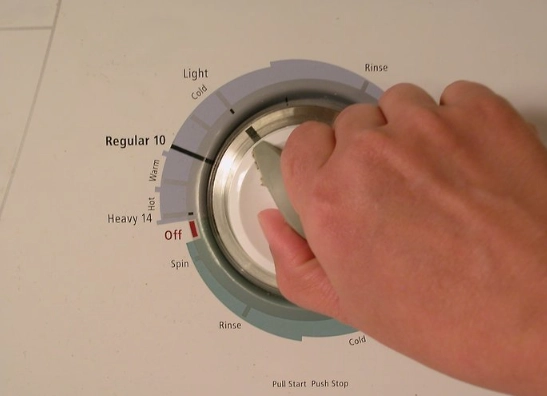
2. Water Temperature: This is where people get confused. Hot water (130°F/54°C or above) kills dust mites and bacteria best. It's ideal for white cottons and when someone is sick. But hot water can shrink natural fibers and set some stains. Warm water (90-110°F/32-43°C) is the safe sweet spot for most colored sheets and blends, effectively removing oils and dirt. Cold water is best for delicate fabrics but is less effective at sanitizing.
3. Detergent & Additives: Use the correct amount. More is not better—it leads to buildup. For sensitive skin, opt for a fragrance-free, dye-free detergent. Avoid fabric softener on sheets! It coats fibers with a waxy film that reduces absorbency (bad for sweat) and can trap allergens. Instead, add a half cup of white vinegar to the rinse cycle. It naturally softens and helps remove detergent residue without a smell.
4. Drying: Tumble dry on low or medium heat. High heat can weaken fibers over time. Remove sheets promptly when dry to prevent deep wrinkles. If you can line-dry in the sun, do it. UV light is a fantastic natural disinfectant and gives sheets that incredible fresh-air scent.
Common Mistakes That Undermine Your Clean Sheets
- Overloading the Washer: Sheets need room to agitate and get clean. Cramming them in with towels means they come out still dirty. Wash sheets separately or with other lightweight linens.
- Ignoring the Mattress & Pillows: You can wash sheets weekly, but if your mattress is bare and your pillows are unprotected, you're laying on a reservoir of allergens. Use a washable mattress pad or protector and wash it every 1-2 months. Check pillow care labels—many down and memory foam pillows can be machine washed a few times a year.
- Letting Wet Sheets Sit: Transferring to the dryer immediately prevents mildew smells. If you forget and they sit for hours, you might need to rewash them.
- Using Too Much Bleach: It weakens fibers. For whitening, try soaking white sheets in a solution of water and oxygen-based bleach (like OxiClean) before washing.