Let's be honest. You probably have a favorite hat. That baseball cap from a memorable game, the wool beanie that's seen countless winters, the sun hat that's perfect for the beach. And it's probably a bit... lived in. Sweat stains on the brim, dust in the fibers, maybe a mysterious spot from last summer's barbecue. The thought of washing it fills you with dread. Will it shrink? Will the brim go floppy? Will the colors run? I've been there. I've also ruined a perfectly good cap by being lazy and tossing it in the washer. That mistake taught me more than any laundry label ever could.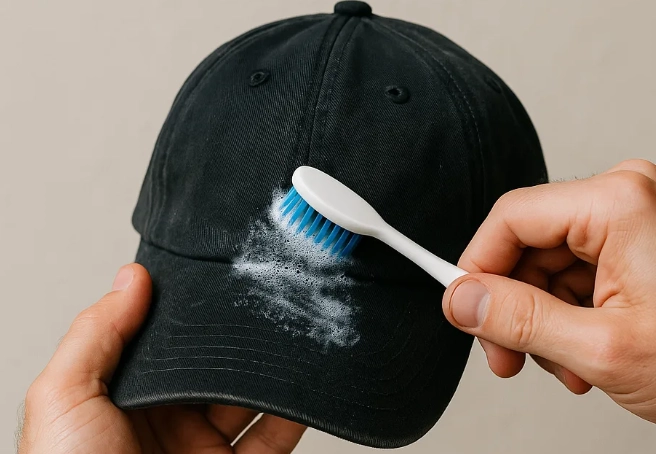
Washing a hat isn't rocket science, but it does require a bit of know-how. It's not one-size-fits-all. The method you use depends entirely on what the hat is made of and how it's constructed. This guide cuts through the generic advice and gives you a material-specific, step-by-step plan to clean your hats effectively and safely.
Your Hat Washing Roadmap
Why Throwing Your Hat in the Washer is a Gamble
Hats are deceptive. They seem simple, but their structure is what makes them tricky. A baseball cap isn't just fabric; it's a system. You have a stiff brim (often cardboard or plastic), multiple fabric panels sewn together, and a sweatband glued or stitched inside. The agitation and heat of a standard machine cycle can warp the brim, break down the adhesives, and cause the panels to pucker.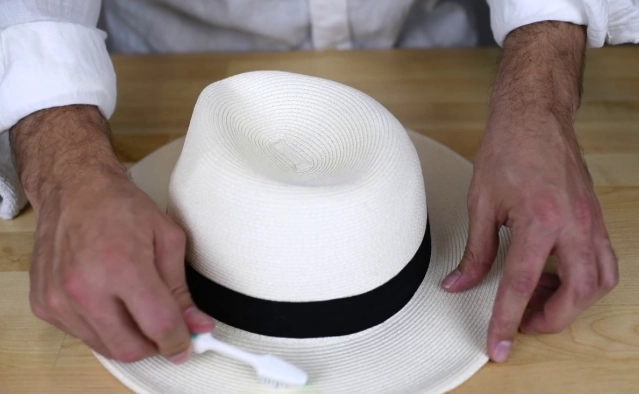
Wool and felt hats are a different story. Heat and agitation cause the fibers to bind together tighter – that's the definition of felting, which is just a fancy word for irreversible shrinking. I learned this the hard way with a merino wool beanie that came out child-sized.
The goal isn't just to get it clean. It's to get it clean while preserving its original shape and structure. That's the real challenge.
Match Your Method to Your Material
This is the heart of it all. Your hat's material dictates your strategy. Here’s a quick-reference table I wish I had years ago.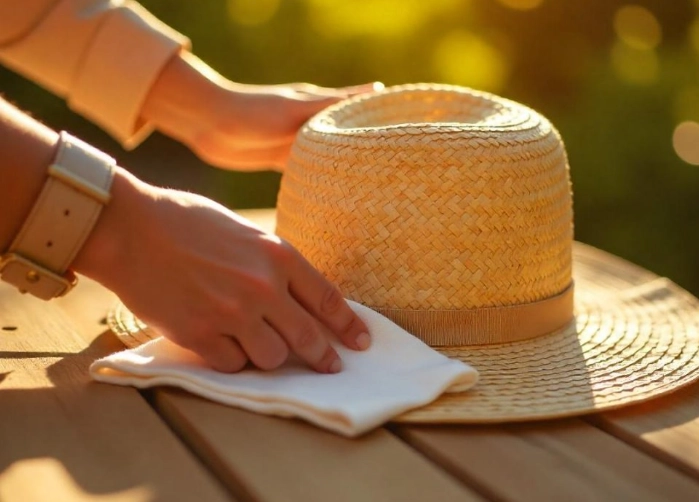
| Hat Material / Type | Recommended Method | Biggest Risk | Pro Tip |
|---|---|---|---|
| Cotton/Polyester Baseball Cap (structured brim) | Hand-wash is safest. Machine wash only in a hat cage/form. | Brim warping, color fading. | Never put in the dryer. The heat melts the brim's internal structure. |
| Wool Beanie or Knit Hat (acrylic blends are easier) | Gentle hand-wash in cold water with wool-specific detergent. | Felting and major shrinkage. | Lay flat to dry. Never wring it out—roll in a towel to press out water. |
| Straw, Paper, or Raffia Hat | Spot clean ONLY. Wipe with a damp cloth. Avoid full immersion. | Becoming soggy, losing shape, staining. | For sweat stains inside the band, use a mild soapy cloth, then wipe with a clean damp cloth immediately. |
| Felt or Wool Fedora | Professional dry cleaning is best. Use a soft brush for dust. | Water rings, permanent staining, shape loss. | Invest in a good hat brush. It removes surface dust and revives the nap. |
| Nylon or Technical Fabric Cap (running, hiking) | Machine wash cold, gentle cycle. Air dry. | Odor retention in the sweatband. | Pre-treat the inner sweatband with a paste of baking soda and water before washing. |
The Gold Standard: How to Hand-Wash a Hat
For 90% of hats, this is your safest bet. It gives you control. You'll need a clean sink or basin, lukewarm water, and a mild detergent (like Woolite, a gentle dish soap, or a dedicated hat cleaner).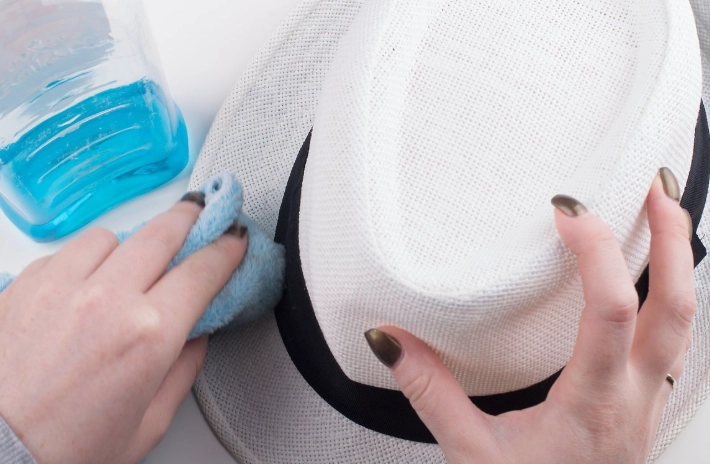
Step-by-Step Process
Fill and Suds: Plug the sink and fill it with lukewarm water. Hot water sets stains and can shrink fibers. Add a small amount of detergent and swish to create suds.
Submerge and Swirl: Place the hat in the water. Gently press it down to soak. Use your hands to softly agitate the water through the fabric for 2-3 minutes. Don't scrub vigorously, especially on printed logos.
Focus on the Brim and Band: Pay special attention to the inner sweatband and the front brim, where most oils and dirt accumulate. Use your fingertips or a soft-bristled toothbrush (dedicated to cleaning, not teeth!) to gently work the suds into these areas.
The Rinse: Drain the soapy water. Refill the sink with clean, cool water. Submerge the hat and gently press and swirl to rinse out all soap. Repeat until the water runs clear. Soap residue attracts more dirt.
Remove Excess Water: This is critical. Do NOT wring the hat. For caps, gently press the crown against the side of the sink. For beanies, press between your palms. The goal is to remove water without distorting the shape.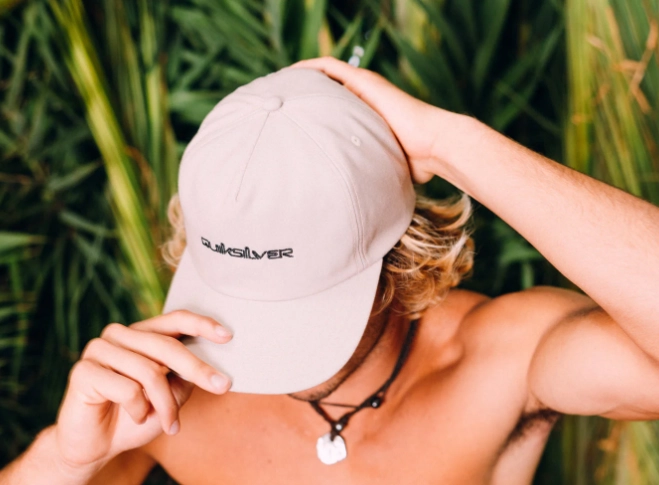
The Machine Wash Shortcut (For the Brave)
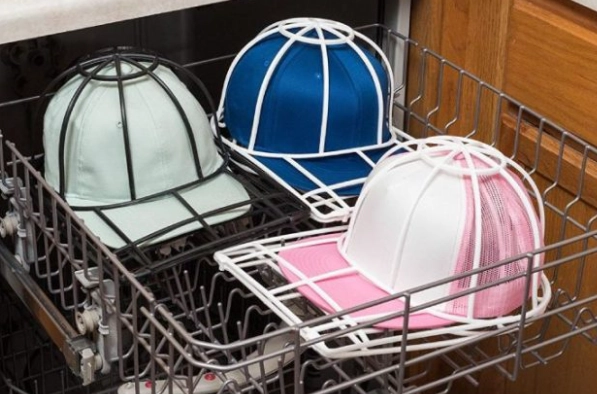
I only recommend this for durable, unstructured cotton caps or synthetic performance hats. Never, ever machine wash a hat with a stiff, structured brim unless it's inside a protective form. Those plastic hat cages you see online? They're not a gimmick—they protect the shape from being crushed.
If you proceed: Use cold water on the gentlest cycle (often called "delicate" or "hand wash"). Use a mild detergent. Add a few towels to the load. They provide cushioning and prevent the hat from banging around the drum. Do not use fabric softener. It can coat fibers and break down moisture-wicking properties.
My personal rule? I machine wash my old, beaten-up cotton caps that I don't mind getting a little more "lived-in." My favorite fitted cap with a perfect brim? That gets the hand-wash treatment every time.
Drying: Where You Win or Lose
This is where most people mess up. The dryer is the enemy of hats. Heat is destructive.
For Baseball Caps: The best method is to reshape the cap while wet. Use a small balloon, a coffee can, or a specially designed hat shaper placed inside the crown to help it hold its form. Let it air dry at room temperature, away from direct sunlight or heat vents. Sun can fade colors.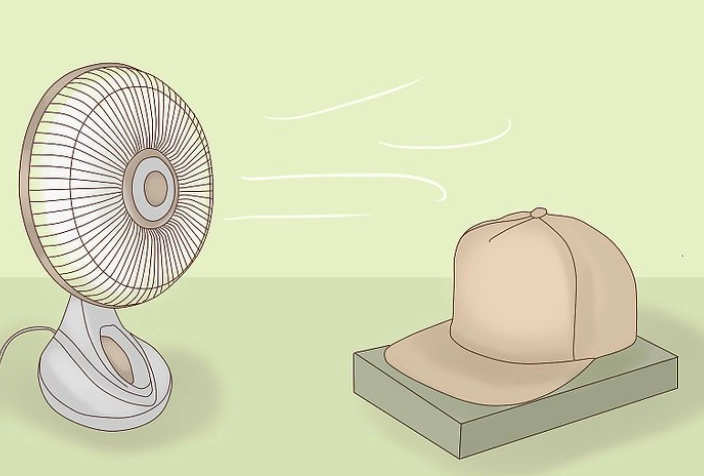
For Beanies and Knit Hats: Lay them completely flat on a clean, dry towel. Gently pat them into their natural shape. Flip them over halfway through drying to ensure even air circulation.
For Straw Hats: If they get damp, simply let them air dry. Never apply heat.
Patience is key. Drying can take 24-48 hours. Don't rush it.
Tackling Specific Stains on Hats
General washing might not cut it for set-in stains. Here's a targeted approach:
Sweat Stains (Yellowing on the brim/band): Make a paste of baking soda and water. Apply it to the stain and let it sit for an hour before washing. The baking soda helps break down the acidic salts and oils in sweat.
Grease or Oil: Put a drop of dish soap (like Dawn) directly on the spot. Gently work it in with your finger and let it sit for 15 minutes before washing as usual. Dish soap is designed to cut grease.
Grass or Dirt: For fresh stains, let them dry completely, then brush off as much as possible. For set-in stains, a pre-wash stain remover applied directly can help, but test it on an inconspicuous area first.
Ink: This is tough. Rubbing alcohol on a cotton swab can sometimes lift fresh ballpoint ink. Dab, don't rub. For other inks, it's often a permanent souvenir.
Your Hat Care Questions, Answered
The bottom line? Treat your hat like the specific accessory it is, not just another piece of laundry. A few minutes of careful hand-washing can add years of life to a favorite piece. Now go rescue that hat from the back of the closet.