You can wash sneakers in a washing machine, but most people mess it up by skipping key steps. I learned this the hard way when I tossed my favorite canvas sneakers in on a heavy cycle—they came out misshapen and the glue started peeling. After years of trial and error, I’ve nailed down a method that works for almost any sneaker, from running shoes to casual kicks. This guide cuts through the noise and gives you the exact steps to clean sneakers safely in a washer, plus insider tips you won’t find elsewhere.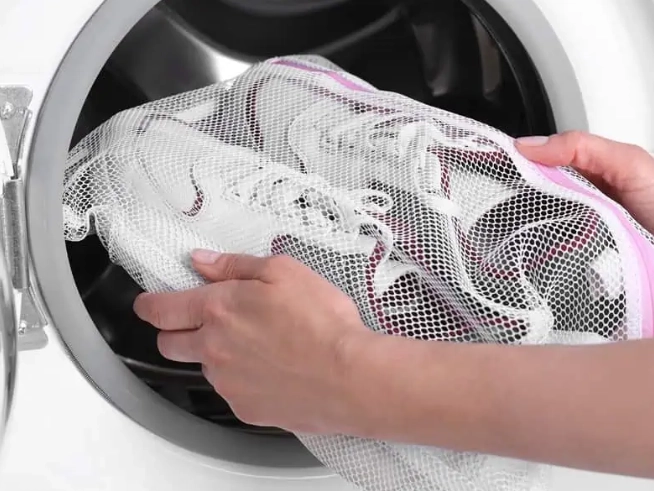
What You’ll Learn in This Guide
Pre-Wash Prep: The Most Overlooked Step
Jumping straight into the wash is a recipe for disaster. Here’s what to do first.
Remove the laces and insoles. This seems obvious, but I’ve seen folks leave them in, and the laces can tangle or tear, while insoles trap moisture and warp. Hand-wash laces separately with a bit of soap—it takes five minutes and makes a huge difference.
Brush off loose dirt. Use an old toothbrush or a dry brush to scrub off mud and debris. If you skip this, grit can grind into the fabric during the wash, causing premature wear. For stubborn stains, dab a mild detergent like dish soap on the spot and let it sit for 10 minutes.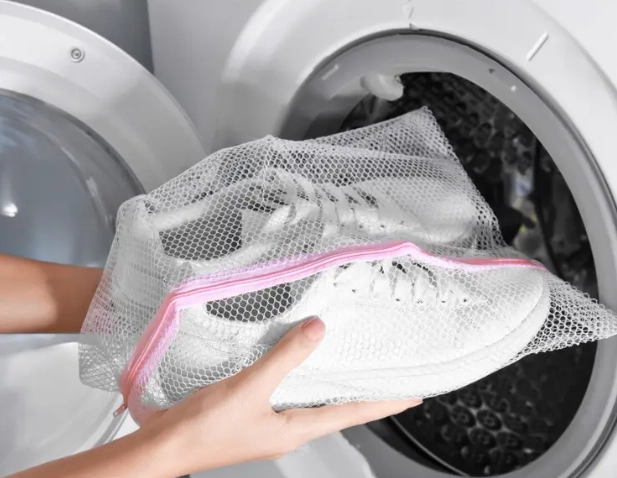
Check for damage. Inspect the soles and uppers. If there’s already separating glue or cracks, machine washing might worsen it. In that case, hand-cleaning is safer. I once ignored a small sole separation on my hiking sneakers, and the wash made it gap wide open—costly lesson.
Use a laundry bag. Toss each sneaker into a mesh laundry bag or a pillowcase tied shut. This protects them from banging around and reduces noise. Some say it’s optional, but from my experience, it prevents shape distortion, especially for knit or lightweight sneakers.
Choosing the Right Washing Machine Settings
This is where most guides get vague. Let’s get specific.
Cold water only. Hot water can weaken adhesives and shrink materials. Set the temperature to cold—it’s gentler and still effective for cleaning.
Gentle or delicate cycle. Avoid heavy-duty or normal cycles. The gentle cycle uses slower agitation, which is crucial for preserving sneaker structure. If your machine has a “hand wash” or “wool” setting, even better.
Skip the spin cycle if possible. High-speed spinning can throw sneakers against the drum, leading to dents or misshaping. Some machines let you disable spin; if not, use the lowest spin speed. I’ve tested this with my front-loader, and skipping spin results in less wear on the toe box.
Add towels or similar items. Throw in a couple of towels to balance the load and cushion the sneakers. Don’t overload—two pairs of sneakers max per load. Overloading strains the machine and leads to uneven cleaning.
Use a mild detergent. Harsh detergents or bleach can fade colors and damage fabrics. Opt for a liquid detergent meant for delicates. Pods are fine, but avoid powder detergents as they might not dissolve fully and leave residue.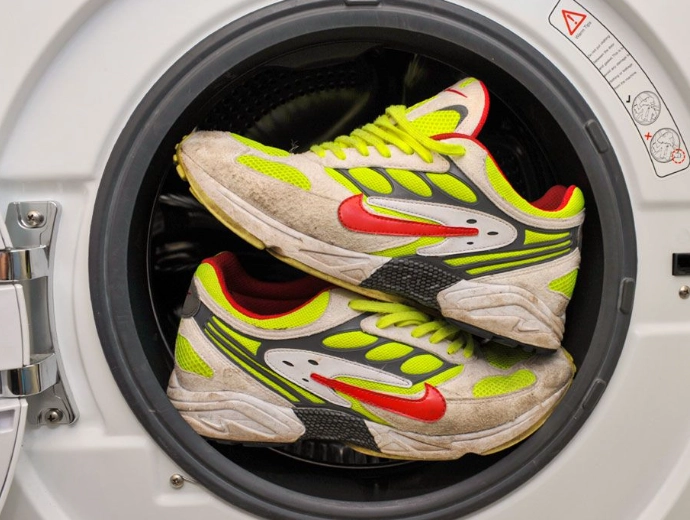
Cycle Details and Timing
A typical gentle cycle runs for 30-40 minutes. Don’t let sneakers sit wet in the machine afterward; remove them promptly to prevent mildew. If your sneakers are extra dirty, you might consider a pre-soak, but I find that brushing and spot-cleaning beforehand usually does the trick.
Material-Specific Tips: Canvas, Leather, and More
Not all sneakers are created equal. Here’s a quick table to break it down.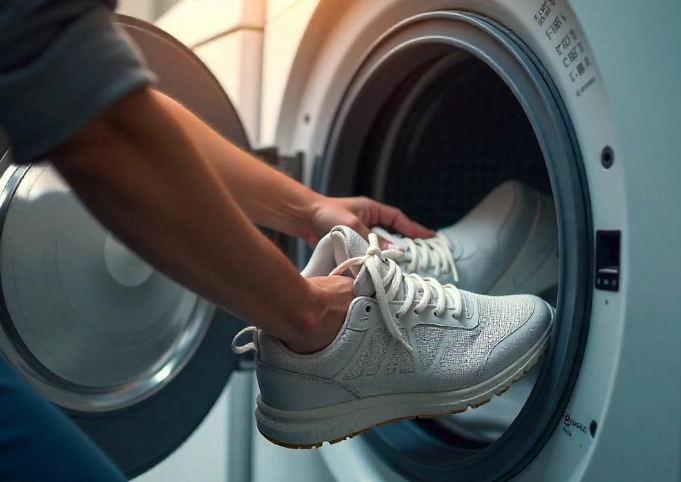
| Material | Machine Wash Safe? | Key Considerations |
|---|---|---|
| Canvas (e.g., Converse, Vans) | Yes, generally safe | Use cold water, air dry; may shrink slightly if hot water is used. |
| Leather or Suede | No, avoid machine washing | Hand-clean only; machine washing can crack leather and ruin suede texture. |
| Synthetic (e.g., polyester, mesh) | Yes, with caution | Gentle cycle; check for loose threads that might snag. |
| Knit (e.g., Nike Flyknit) | Yes, but extra care needed | Use a laundry bag, no spin cycle to maintain shape. |
| With Special Coatings (e.g., waterproof) | Check manufacturer’s guide | Machine washing might strip coatings; often hand-wash recommended. |
For leather sneakers, I’ve seen people try machine washing with “special” settings, and it almost always ends badly. The heat and agitation break down the natural oils. Instead, wipe with a damp cloth and use leather conditioner.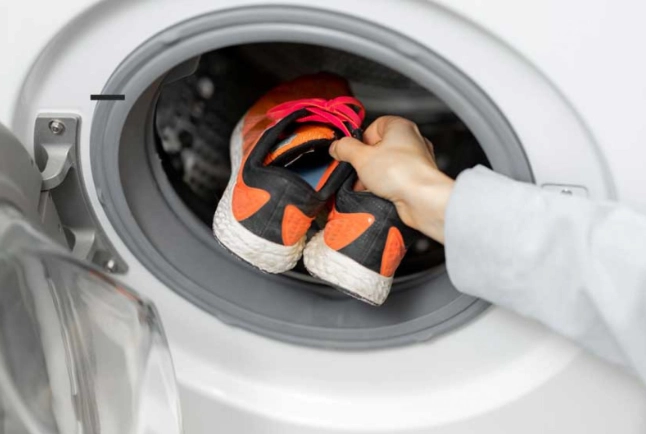
Canvas sneakers are the most forgiving. I wash my canvas kicks every few months, and they hold up fine. But even here, avoid over-washing—it accelerates wear. A common myth is that machine washing ruins all sneakers; it’s more about material and method.
Drying Your Sneakers Without Damage
Drying is just as important as washing. Never, ever use a clothes dryer.
The heat can melt glue, warp soles, and shrink fabrics. I made that mistake once with a pair of running sneakers—the midsole bubbled and they were unusable. Instead, air dry them naturally.
Stuff the sneakers with paper towels or newspaper. This absorbs moisture from the inside and helps retain shape. Change the paper every few hours if they’re very wet. Some folks use shoe trees, but paper is cheaper and works just as well.
Place them in a well-ventilated area, away from direct sunlight or heat sources. A fan can speed up drying. It usually takes 24-48 hours to dry completely. Patience is key; rushing with a hairdryer can cause cracking.
If you’re in a humid climate, consider using a dehumidifier nearby. I live in a damp area, and leaving sneakers in a closed room led to mold once. Now I dry them near an open window with a fan.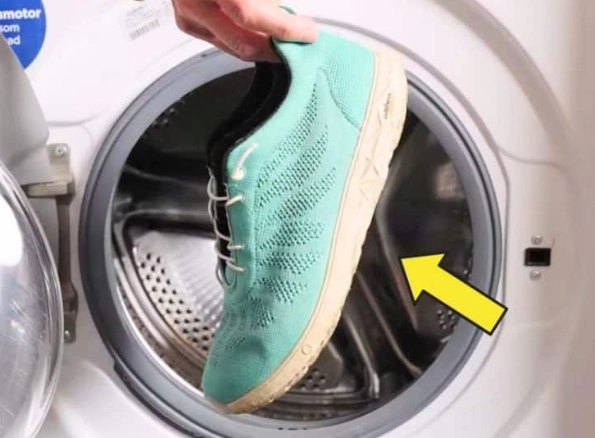
Common Mistakes That Ruin Sneakers
Let’s recap the big no-nos.
- Using hot water: It’s the top culprit for glue failure and shrinkage.
- Skipping the laundry bag: Without it, sneakers bash against the drum, leading to cosmetic damage.
- Overloading the machine: This strains the washer and results in poor cleaning.
- Adding bleach or harsh chemicals: They can discolor materials and weaken fibers.
- Putting sneakers in the dryer: Just don’t do it—air dry always.
Another subtle error: washing sneakers too frequently. Unless they’re heavily soiled, a monthly wash is overkill. I used to wash mine after every gym session, and the constant agitation wore out the stitching. Now I spot-clean and only machine wash every 2-3 months.
Pro tip from a sneaker collector: For white sneakers that yellow over time, add a half-cup of white vinegar to the wash instead of bleach. It brightens without damaging the material. Test on a small area first, but it’s worked for my Stan Smiths.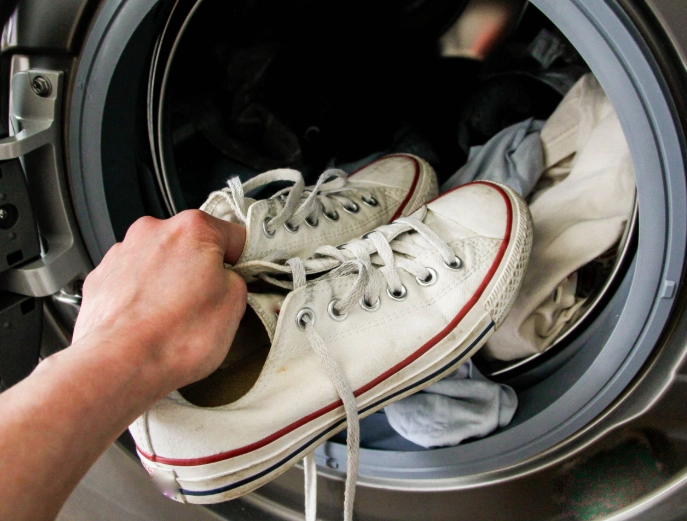
FAQ: Your Top Questions Answered
Washing sneakers in a machine isn’t rocket science, but it demands attention to detail. Follow these steps, and your kicks will stay fresh without falling apart. Remember, when in doubt, hand-wash—it’s always the safer bet for delicate materials. Got more questions? Drop a comment, and I’ll share from my decade of sneaker care blunders and wins.