You get the invitation. "Semi-formal attire requested." Your brain freezes for a second. Is that the same as cocktail? More formal than business casual? Does this mean a suit? Can I wear that patterned dress I love? If your mind goes blank, you're not alone. The semi-formal dress code sits in a frustratingly vague middle ground, causing more wardrobe anxiety than almost any other instruction.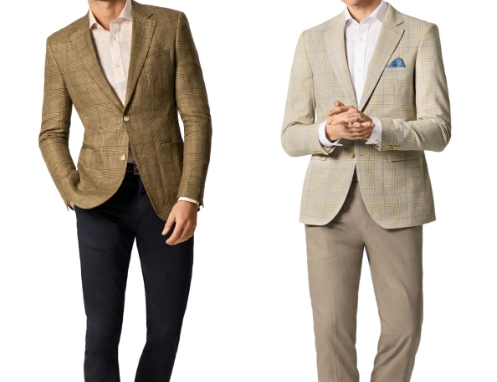
Here's the truth most fashion blogs won't tell you: "semi-formal" is less about a strict uniform and more about understanding the context. A semi-formal outfit for a tech startup's evening gala will look different from one for a traditional afternoon wedding. After a decade of styling clients for everything from boardroom presentations to garden parties, I've seen the same mistakes repeated. People either underdress, looking sloppy, or overdress, feeling awkwardly out of place. This guide cuts through the noise. We'll decode the semi-formal dress code by occasion, giving you a flexible, practical framework so you can get dressed with confidence, not confusion.
Your Quick Navigation Guide
What Semi-Formal Really Means (And Doesn't Mean)
Let's clear this up first. Semi-formal is not business casual. Business casual (think chinos and a polo, or a sweater and trousers) is for the daily office. Semi-formal is a notch above, reserved for events after 5 PM or special daytime events where you need to look polished and intentional.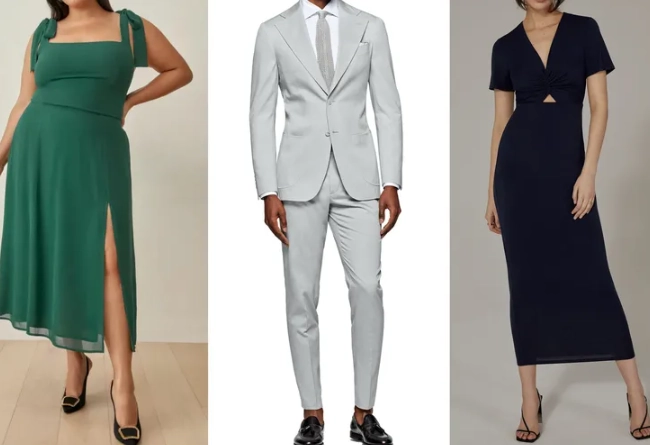
It's also not black-tie or formal. You can leave the floor-length gowns and tuxedos in the closet. The vibe is "elevated and put-together," not "ostentatious."
The core principle of semi-formal is balanced polish. It's about pairing refined, structured pieces with elements of ease and personality. A blazer with tailored jeans (dark, no rips) can be semi-formal if the shoes and top are sharp. A sleek midi dress is semi-formal perfection. It's that sweet spot where you look like you made an effort without looking like you're trying too hard.
Think of it this way: If you're asking yourself, "Is this too casual?" it probably is. If you're asking, "Is this too flashy or formal?" it might be.
Semi-Formal Attire for Women: A Wardrobe Toolkit
Forget searching for one perfect outfit. Build a mental toolkit of pieces that mix and match. The goal is versatility.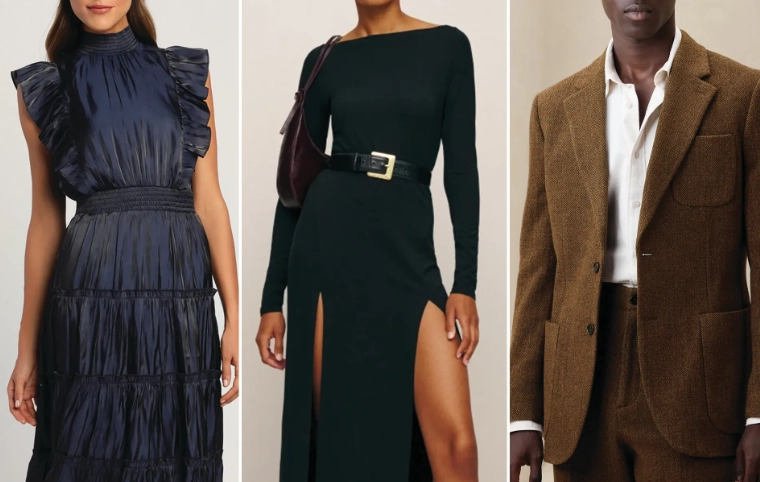
The Foundation Pieces
The Little Black Dress (LBD), Reimagined: Not the clubbing one. Opt for a knee-length or midi dress in a luxe fabric like crepe, silk-blend, or a high-quality knit. Simple silhouettes—sheath, wrap, fit-and-flare—work best. This is your anchor.
The Statement Separates: A pair of tailored, wide-leg trousers or a sleek pencil skirt. A silk blouse or a sophisticated bodysuit. A structured blazer that actually fits your shoulders. These items are your building blocks.
The Details That Make It Semi-Formal
This is where people stumble. The difference between "nice" and "semi-formal" is in the finishing touches.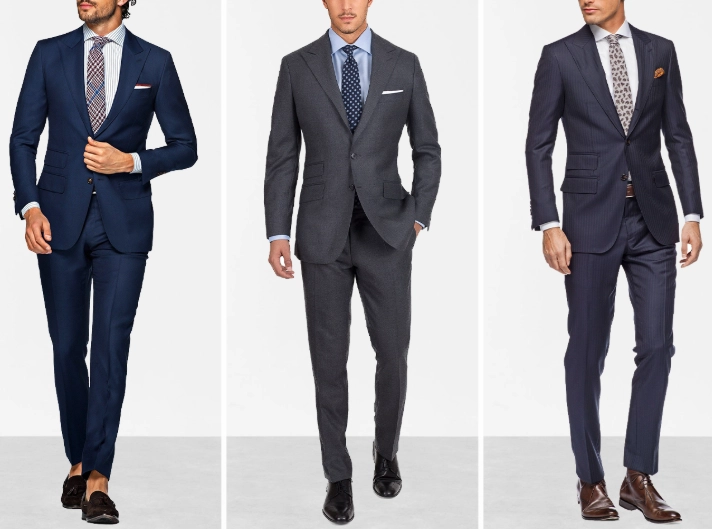
Footwear: Ditch the scuffed ballet flats or sky-high stilettos you can't walk in. Opt for a clean block heel, elegant loafers, or sophisticated sandals with a medium heel. A pointed-toe flat can also work if the rest of the outfit is sharp.
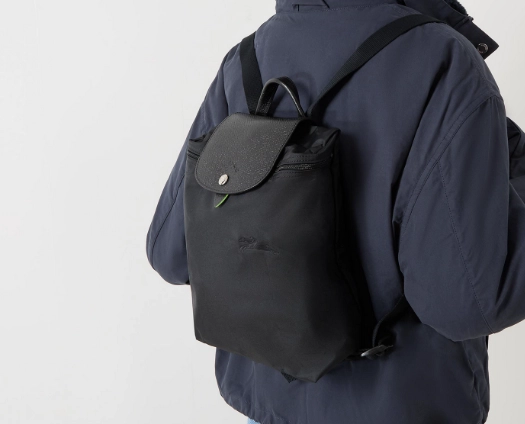
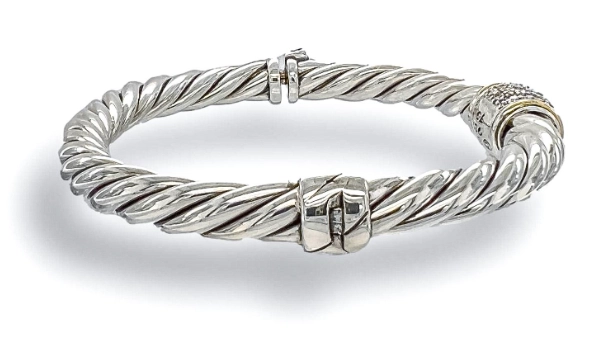
Jewelry & Bag: Minimalist is safer than costume. A simple pendant necklace, stud earrings, or a delicate bracelet. Your bag should be a small clutch, a structured crossbody, or a sleek handheld—not a giant tote or a worn-out backpack.
Fabrics: This is a big one. Avoid jersey, casual cotton, or anything overly sheer or glittery. Look for fabrics with a subtle sheen or a clean matte finish: velvet (for cooler months), satin, chiffon, wool-blends, and high-quality cotton sateen.
Semi-Formal Attire for Men: Beyond the Basic Suit
Guys, you have more options than just a full suit. The key is cohesion and fit.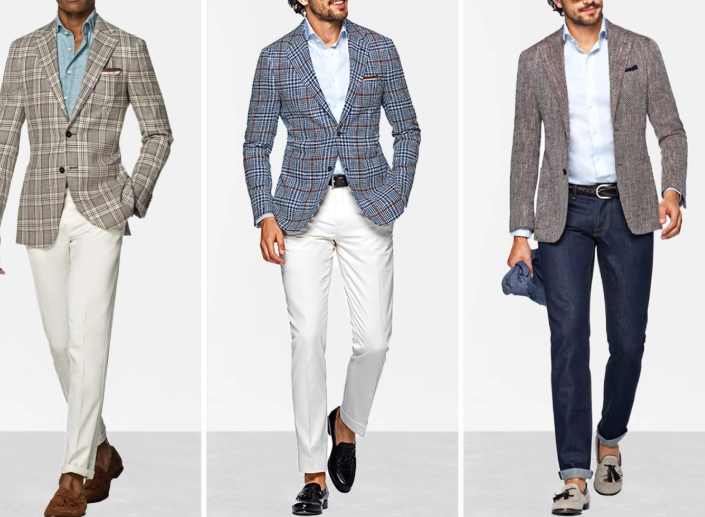
The Suit Strategy (It's Flexible)
A suit is a great option, but it doesn't have to be charcoal or navy. A well-fitted suit in a mid-grey, deep green, or even a subtle pattern (like a faint check) works. The modern twist? You can break it up. Wear the blazer with a different pair of trousers. Just ensure the colors and fabrics harmonize—don't pair a formal black suit jacket with khakis.
The Smart Separates Formula
This is often the best approach. Pair a sport coat or blazer with:
- Trousers: Dress chinos, wool trousers, or corduroy (in season). They should have a clean line and a proper break at the shoe.
- Shirt: A dress shirt (oxford, poplin) is standard. A high-quality, long-sleeve polo or a fine-gauge merino sweater can work in less traditional settings.
- Footwear: Leather is king. Derby shoes, oxfords, clean leather boots, or even premium leather sneakers (if the jacket is more casual, like tweed). No athletic sneakers, sandals, or worn-out boat shoes.
The biggest mistake I see men make? The baggy, unstructured blazer. It instantly downgrades the look. If you invest in one thing, make it a blazer that fits perfectly in the shoulders.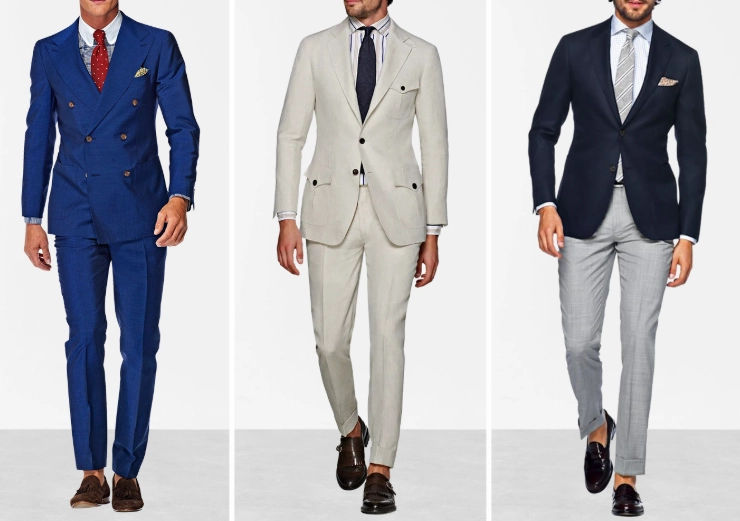
The Occasion Breakdown: From Work to Weddings
"Semi-formal" changes with the setting. Use this table as your cheat sheet.
| Occasion | Women's Outfit Direction | Men's Outfit Direction | Key Vibe |
|---|---|---|---|
| Office Party / Networking Dinner | Tailored jumpsuit; Midi skirt + silk blouse + blazer; Sophisticated dress (knee-length). Keep colors professional but not boring. | Sport coat + dress chinos + crisp shirt. Tie optional. A dark sweater over a shirt works. Polished leather shoes. | Polished, professional, approachable. You're still "on brand." |
| Wedding (Afternoon/Evening) | Floral midi dress; Elegant separates in celebratory colors. Avoid white, ivory, or anything too bridal. Heels you can dance in. | Full suit (navy, grey) or blazer + trousers. Tie is a good idea. Lighter fabrics (linen-blend) for summer. Shined shoes. | Celebratory, festive, respectful. It's a party, but a classy one. |
| Gallery Opening / Cocktail Party | Where you can take more fashion risks. Bold color, interesting silhouette, statement sleeve. A sleek pantsuit is perfect here. | Perfect for a patterned blazer or trousers. Dark jeans (immaculate) with a superb blazer can fly. Focus on texture. | Creative, stylish, conversational. Your outfit can be a talking point. |
| Fundraiser Gala / Nice Restaurant Dinner | Little black dress is ideal. Elevate with exceptional jewelry and a clutch. Fabric should feel luxurious (satin, velvet). | Stick to a classic suit or sharp blazer combination. A pocket square adds flair. Everything should be impeccably fitted. | Upscale, refined, classic. You're in a room where details are noticed. |
The 3 Most Common Semi-Formal Mistakes (And How to Avoid Them)
Let's talk about the pitfalls. I've styled people out of these last-minute panics more times than I can count.
1. The "It's Basically Casual" Error: Showing up in daytime denim, a casual sundress, or sneakers because you interpreted "semi" as "relaxed." The fix: Always incorporate one unequivocally polished element: a blazer, leather shoes, a structured bag, or luxe fabric.
2. The Over-Reliance on Black: A head-to-toe black outfit can look severe or like you're going to a funeral if not done right. The fix: Add one non-black element for balance. A cream silk blouse under a black blazer, a burgundy tie, metallic accessories, or even just exposing a bit of skin (sleeveless top) breaks up the darkness.
3. Ignoring the Season and Time of Day: A heavy velvet dress for a summer garden wedding or a linen suit for a winter dinner. You'll be physically uncomfortable and look out of sync. The fix: Let the calendar guide your fabric choices. Linen, cotton, and lighter silks for spring/summer; wool, cashmere, corduroy, and velvet for fall/winter.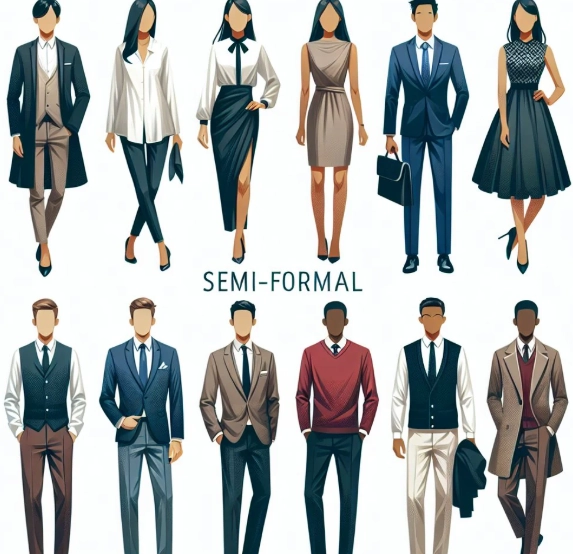
Your Semi-Formal Questions, Answered
Ultimately, mastering semi-formal attire is about understanding the rules well enough to bend them with confidence. It's not about a strict uniform, but about assembling pieces that signal care, context, and a bit of personal style. Start with one perfect foundational piece—that blazer, that LBD, those tailored trousers—and build from there. Next time you see "semi-formal" on an invite, you won't panic. You'll just get dressed.