Let's be honest. When was the last time you cleaned your hair brush? Last week? Last month? If you're like most people, it's probably been a while. You wash your hair, your face, your body, but that trusty tool you drag through your hair every single day gets neglected. It becomes a petri dish of old hair, scalp oils, dead skin cells, and layers of styling product. It's kind of gross when you think about it.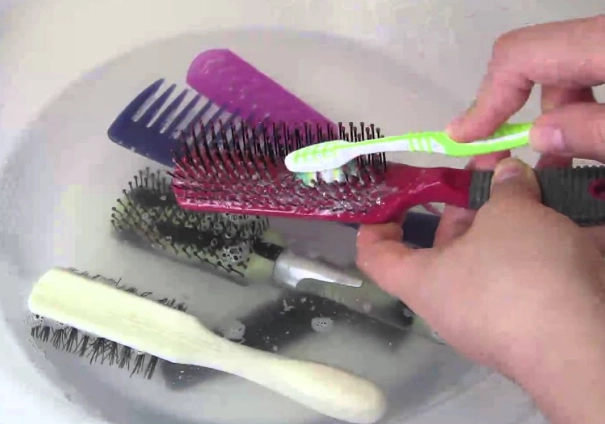
I used to be guilty of this. I'd just pull the hair out of the bristles every few days and call it good. Then I started noticing my fine hair getting greasy faster and my scalp feeling itchy. Turns out, I was basically re-depositing yesterday's dirt and oil back onto my clean hair. Cleaning my brushes regularly was a game-changer. It's not just about hygiene; a clean brush works better, distributes your hair's natural oils more evenly, and lasts much longer.
What's Inside: Your Quick Cleaning Guide
- Why Cleaning Your Hair Brush Matters More Than You Think
- What You'll Need: Your Cleaning Toolkit
- How to Wash a Hair Brush: The Step-by-Step Method
- Special Care for Different Brush Types
- Common Mistakes (And How to Avoid Them)
- When to Replace vs. When to Clean
- Your Hair Brush Cleaning Questions, Answered
Why Cleaning Your Hair Brush Matters More Than You Think
It's easy to dismiss this as a minor chore. But a dirty brush isn't just an eyesore; it has real consequences for your hair and health.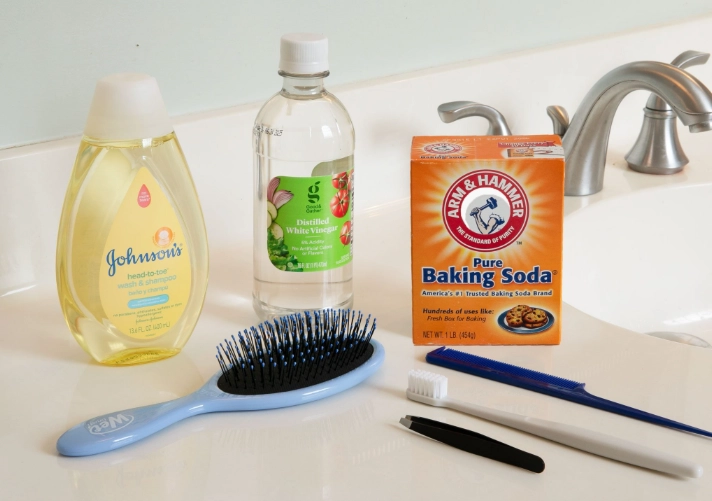
For Your Scalp & Hair Health: The American Academy of Dermatology notes that a clean scalp is the foundation for healthy hair. A brush caked with old product and oil can reintroduce bacteria and yeast to your scalp, potentially worsening conditions like dandruff or folliculitis. It also weighs down your hair, making it look limp and greasy faster.
For Brush Performance: Gunk buildup between the bristles makes them sticky and less flexible. A clean brush with free-moving bristles detangles more effectively, stimulates the scalp better, and distributes natural oils from root to tip without getting caught in a web of old gunk.
For Longevity: Product residue, especially from hairsprays and dry shampoos, can be acidic or contain alcohols that degrade materials over time. Regularly washing your hair brush removes these corrosive elements, protecting the bristles and the cushion or base.
What You'll Need: Your Cleaning Toolkit
You don't need fancy products. Almost everything is likely already in your bathroom or kitchen.
- A bowl, sink, or basin large enough to submerge the brush head.
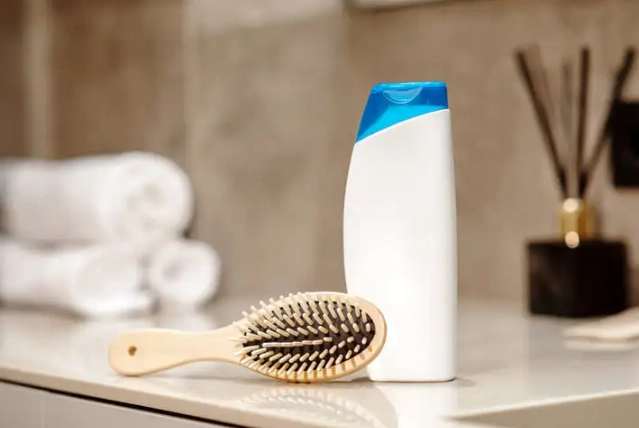
- Mild shampoo or clarifying shampoo: Your regular hair shampoo works perfectly. For heavy buildup, a clarifying shampoo is a powerhouse.
- Warm water: Not hot. Hot water can warp plastic and loosen glue.
- An old toothbrush or a clean nail brush: This is your secret weapon for scrubbing between bristles and the base.
- A wide-tooth comb or a fork: For the initial hair removal.
- Paper towels or a clean, dry towel.
- Optional but helpful: A few drops of tea tree oil (natural antibacterial), white vinegar (for mineral deposits), or baking soda (for extra scrubbing power on tough grime).
How to Wash a Hair Brush: The Step-by-Step Method
This is the core method that works for 90% of brushes. We'll cover the exceptions next.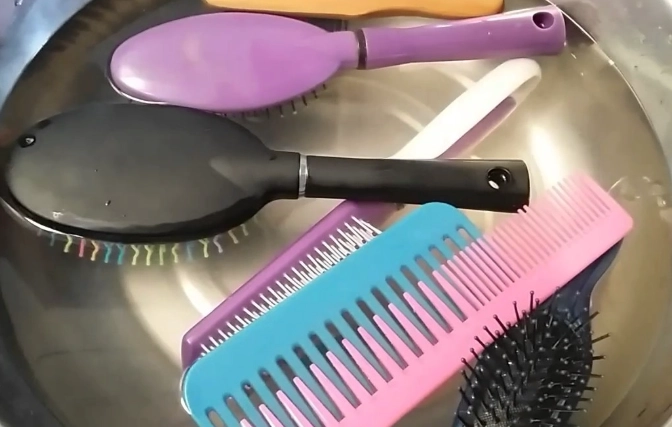
Step 1: Remove All Trapped Hair
This seems obvious, but do it thoroughly. Use the tail of a comb, a fork, or your fingers. Pull from the base of the bristles outward. Get every last strand. If you have a brush with a removable pad (like many paddle brushes), pop it out first—you'll find a hair nest underneath that's crucial to clean.
Step 2: Prepare Your Cleaning Bath
Fill your basin with warm water. Hot water is a common mistake—it can melt the glue holding bristles in place. Add a generous squirt of shampoo and swish to create suds. For a deep clean, add a teaspoon of baking soda or a capful of white vinegar.
Step 3: Soak and Scrub
Submerge the bristle head of your brush. Let it soak for 10-20 minutes. This loosens the hardened product and oils. After soaking, take your old toothbrush and vigorously scrub the base of the bristles, the back of the brush, and in between every row. This is where the magic happens—you'll see grayish gunk coming out. Pay special attention to the cushion on paddle brushes; press it to work the soapy water in and out.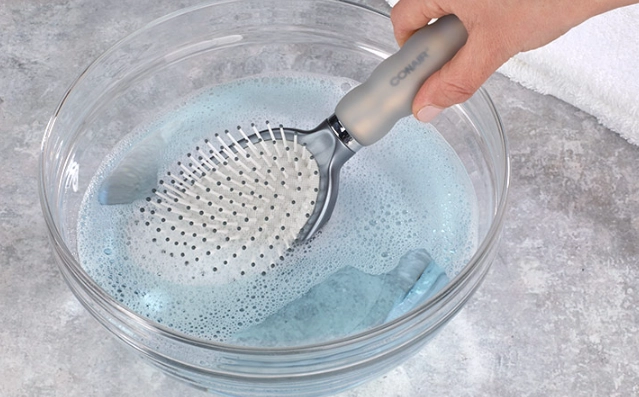
Step 4: Rinse Thoroughly
Hold the brush under running lukewarm water, bristles down, until the water runs completely clear. No more suds. Any leftover soap will attract more dirt. Shake off the excess water.
Step 5: The Most Important Step: Dry Completely
This is the step most people rush, and it's a big reason brushes develop a funky smell. Lay the brush on a clean towel, bristles down, in a well-ventilated area away from direct heat or sunlight. Let it air dry for at least 24 hours, preferably 48. Never use a hairdryer or put it in a closed cabinet damp. Moisture trapped against the base is a breeding ground for mold.
Special Care for Different Brush Types
Not all brushes are created equal. Here’s how to adjust the basic method for common brush types.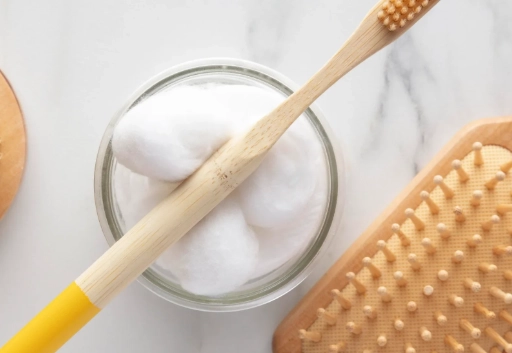
| Brush Type | Key Feature | Cleaning Focus & Adjustment |
|---|---|---|
| Natural Bristle (Boar) Brushes | Porous bristles that absorb oils. | Be extra gentle. Use cooler water and a very mild shampoo. Avoid long soaks (5-10 mins max). Never use vinegar or harsh chemicals. Dry flat, away from heat, to prevent bristles from curling. |
| Plastic/Nylon Paddle & Round Brushes | Often have a rubber cushion base. | These are the most forgiving. Follow the standard method. Ensure you scrub the seam where the cushion meets the plastic base—grime loves to hide there. |
| Vented & Hot Air Brushes | Have openings or barrels. | Use the toothbrush to scrub inside the vents or barrel openings. Rinse with the water stream directed through the openings to flush out debris. Drying is critical—ensure no water is trapped inside. |
| Wet Brushes & Tangle Teezers | Flexible plastic bristles. | The standard method works well. Their design often traps less hair at the base, making initial cleanup easier. |
| Brushes with Wooden Handles | Varnished or unfinished wood. | Avoid submerging the wooden handle. Only soak the bristle head. Wipe the handle with a damp cloth and dry immediately to prevent water damage or warping. |
A note on brushes with metal parts (like some round brushes): Dry them immediately and thoroughly after rinsing to prevent rust. A quick wipe with a dry towel on the metal parts helps.
Common Mistakes (And How to Avoid Them)
I've made a few of these myself, and I see them all the time.
Using boiling water. It seems like it would sanitize better, but it warps plastic and weakens glue. Warm water is sufficient with the right cleaning agent (shampoo).
Not drying thoroughly. Putting a damp brush in a drawer is asking for mildew. That musty smell is nearly impossible to remove. Patience is key.
Using harsh chemicals like bleach or dish soap. These can be too abrasive for brush materials and leave residues. Shampoo is designed for hair and scalp oils—it's the perfect cleaner.
Scrubbing too aggressively on natural bristles. You can break or splinter them. Gentle swirling in soapy water is enough.
Cleaning only when it's visibly clogged. By then, the buildup is severe. A quick weekly clean is easier than a monthly deep-clean battle.
When to Replace vs. When to Clean
Cleaning can extend a brush's life, but it's not immortal. Here's when it's time to let go:
- Bristles are splayed, broken, or missing: A brush with damaged bristles can snap hair and won't style effectively.
- The cushion base is permanently deflated or cracked: If it no longer has any bounce, it's not doing its job.
- There's mold or a persistent foul odor that doesn't go away after a proper cleaning and complete dry.
- The brush head is loose or wobbly on the handle, indicating internal damage.
If the brush is just dirty, even if it's very dirty, it can almost always be saved with the steps above.