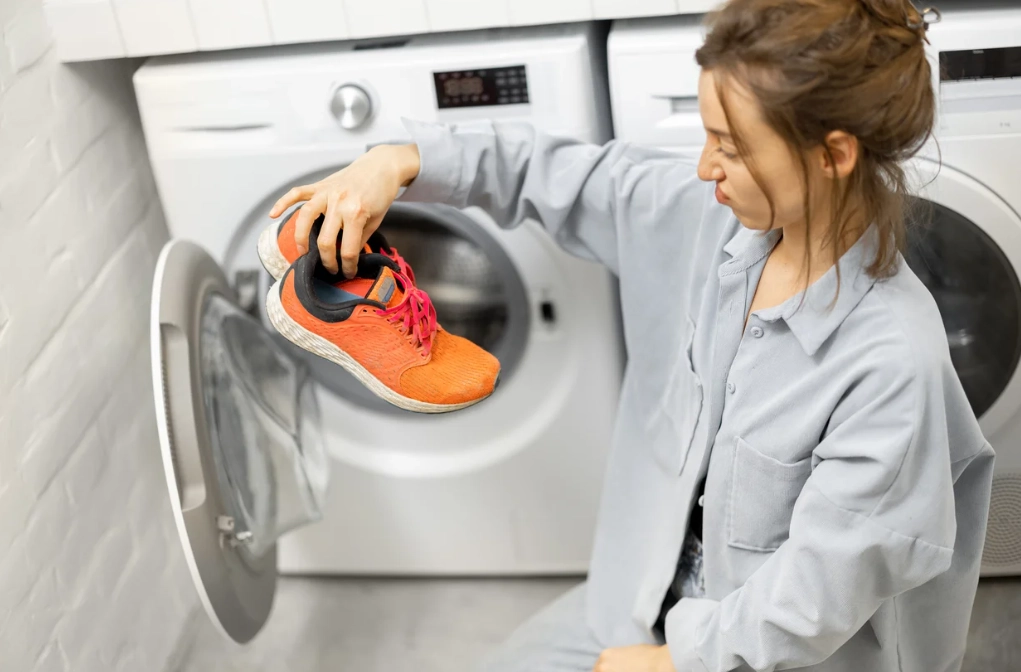
Let's be honest. The thought of throwing your favorite, grimy sneakers into the washing machine is equal parts tempting and terrifying. You've heard it can work miracles, but you've also heard horror stories of shredded laces, detached soles, and a washer that smells like a swamp. I've been there. I once ruined a perfectly good pair of running shoes by being careless. After years of trial, error, and consulting with cobblers, I've nailed down a process that works. This isn't just a list of steps; it's the nuanced guide I wish I had, covering what most articles gloss over.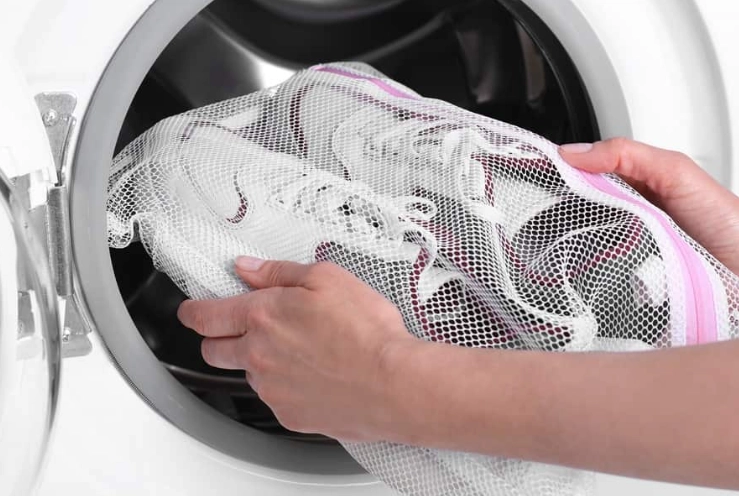
Your Quick-Start Guide
What Types of Shoes Can You Safely Wash?
This is the most critical filter. Getting it wrong means a one-way trip to the trash can. The rule isn't about brand; it's about construction and materials.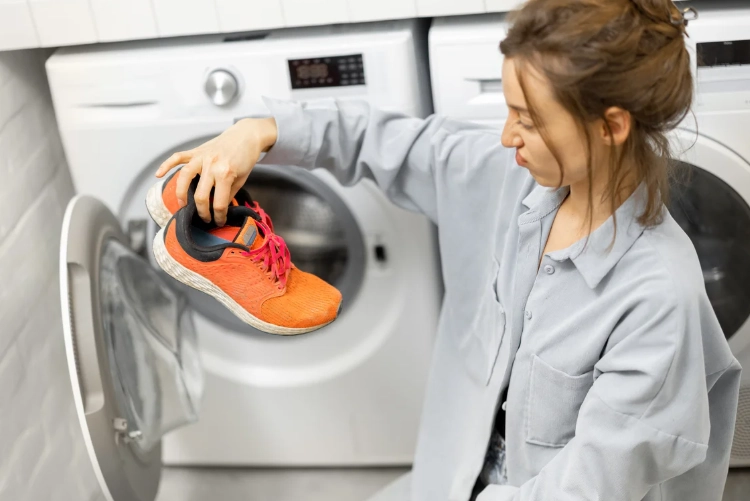
| Shoe Type | Washable? | Critical Notes |
|---|---|---|
| Canvas Sneakers (Converse, Vans, Superga) | ✅ Yes, Ideal | The poster child for machine washing. Simple glue and fabric construction holds up well. |
| Mesh Running Shoes (most modern trainers) | ✅ Usually Yes | Great for odor removal. Check the midsole. If it's "boost" or foam that crumbles easily, be cautious. |
| Cotton or Fabric Espadrilles | ✅ Yes | Remove any leather trim if possible. The rope sole is usually fine. |
| Leather Shoes (dress shoes, boots, most leather sneakers) | ❌ Almost Never | Leather warps, cracks, and loses its finish. The glue dissolves. Use specialized leather cleaners. |
| Suede or Nubuck Anything | ❌ Absolutely Not | Water will permanently stain and ruin the nap. This is non-negotiable. |
| Shoes with Extensive Gluing (cheap flats, some sandals) | ❌ No | The agitation will likely separate the sole from the upper. It's a common, messy failure. |
| Shoes with Electronics (light-up kids' shoes, smart shoes) | ❌ No | For obvious reasons. Remove batteries if possible before any cleaning. |
| Wedges or Shoes with Structured Support | ❌ Risky | The internal structure (often cardboard or fiberboard) can disintegrate. |
A good pre-check? Look inside at the insole. If it's removable and you see stitching holding the sole together, that's a good sign. If it's all glue and you see a hard, plastic shank, think twice.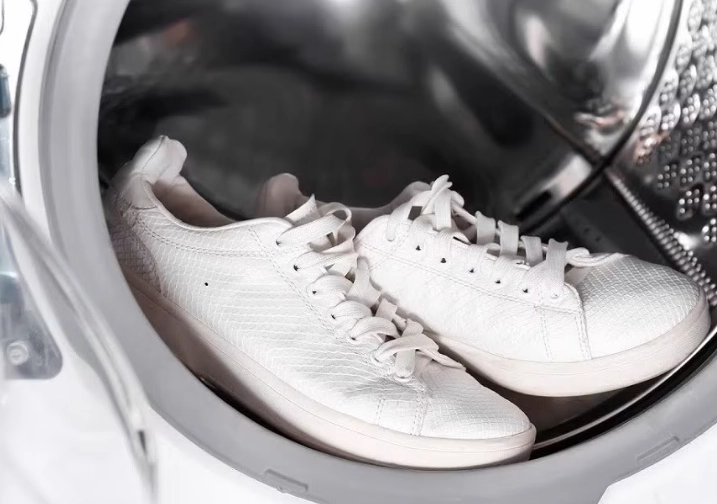
The Non-Negotiable Pre-Wash Preparation
This 10-minute prep work separates success from disaster. Don't skip it.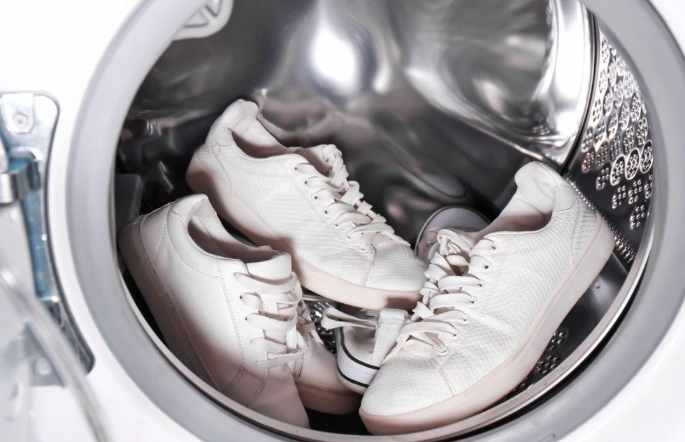
1. Remove Laces and Insoles
Take out the laces and any removable insoles or sock liners. This isn't just about cleaning them better (which it does). It prevents the laces from tangling around the agitator or drum, which can snap them or strain your washer. I've had laces whip around and actually tear the fabric of another shoe. Wash laces and insoles in a small mesh laundry bag or a pillowcase tied shut.
2. The Brutal Dry Brush-Off
Go outside and knock the shoes together, sole to sole. Use a stiff brush (an old toothbrush works) to dislodge every bit of dried mud, gravel, and grass from the treads and sidewalls. That grit isn't just dirt; it's sandpaper inside your washer's drum. It can wear down the drum finish and get into the pump. This is the number one thing people forget, and it's terrible for your machine in the long run.
3. Spot Treat Stains
See that oil spot from the food truck or the grass stain on the heel? Apply a small dab of liquid detergent, dish soap, or a dedicated stain remover directly to the spot. Gently work it in with the brush. Let it sit for 10 minutes. The washer's cycle is for overall cleaning, not concentrated stain fighting. This pre-treatment makes a huge difference.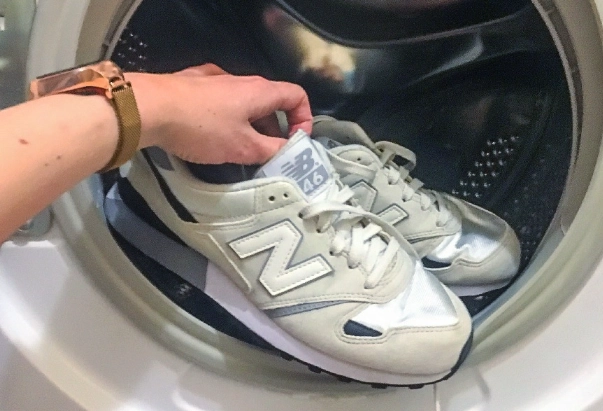
4. Check Every Seam and Logo
Feel around the toe cap, the sides, and where the upper meets the sole. Is anything already peeling or coming unglued? If yes, the washer will finish the job. You might need to use a tiny drop of shoe glue (like Shoe Goo) to secure it first and let it cure for 24 hours before washing.
Step-by-Step Guide to Washing Shoes in a Machine
Now for the main event. Precision matters here.
Step 1: Load the Washer. Place the shoes inside the drum. For balance, put them on opposite sides of the agitator or facing opposite directions in a front-loader. Add the laces and insoles in their mesh bag. You can add a couple of old towels to balance the load and provide cushioning, which reduces the banging noise. Don't overload the washer; two pairs is usually the safe max.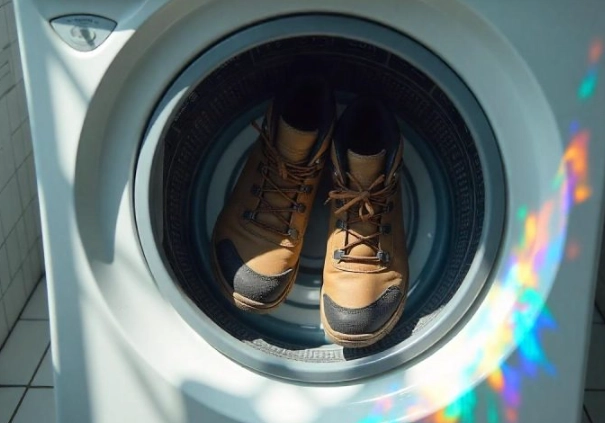
Step 2: Choose Your Detergent. Use a mild, liquid detergent. Powder detergent can clump and not fully dissolve, leaving residue inside your shoes. Avoid bleach at all costs (it weakens fibers and yellows whites) and fabric softener (it coats materials, reducing their breathability and moisture-wicking ability). For white shoes, a small capful of oxygen-based bleach (like OxiClean) can be added to the drum, not the dispenser.
Step 3: Select the Correct Cycle. This is where most guides are too vague. You want:
- Cold Water: Always. Hot water weakens adhesives and can cause colors to run or synthetic materials to warp.
- Gentle/Delicate Cycle: The slower agitation is key. The normal cycle is too aggressive.
- Slow or No Spin: If your machine has the option, choose the lowest spin speed. High-speed spinning forces water into places it shouldn't be and can misshape the shoes. If you can't control spin, the delicate cycle's low spin is okay.
- Double Rinse: If possible, add an extra rinse to ensure all soap is flushed out. Soap residue attracts more dirt later.
Start the cycle. The sound will be louder than a clothes load—a rhythmic thumping is normal. A violent banging means the load is unbalanced; pause and rearrange.
Drying: The Make-or-Break Phase
Never, ever put shoes in the dryer. The heat is a death sentence for glues and can shrink fabrics. I learned this the hard way with a pair of shrunken, stiff canvas shoes.
Air drying is the only way.
First, stuff the shoes with crumpled paper (white paper towels, newspaper, or printer paper). This absorbs internal moisture and helps the shoe retain its shape. Change the paper every few hours as it gets soaked. Don't use colored newspaper, as the ink can transfer.
Place the shoes in a well-ventilated area, away from direct sunlight or heat sources like radiators. Direct heat causes uneven drying and cracking. A fan blowing gently in the room accelerates the process significantly.
Let the insoles and laces dry flat separately. Expect drying to take 24-48 hours. Be patient. Putting them on while slightly damp breeds mildew and that awful, persistent funk.
Once completely dry, re-lace them, insert the dry insoles, and you're done. They won't look "out-of-the-box" new if they were heavily worn, but they'll be clean, fresh, and ready for many more miles.