Let's be honest. We've all thrown a pair of grubby sneakers into the washing machine, crossed our fingers, and hoped for the best. Sometimes it works. Other times, you pull out a misshapen, faded, or even broken mess. After ruining a favorite pair of canvas shoes years ago by being too aggressive, I learned the hard way that washing shoes isn't one-size-fits-all. It's a skill. This guide is what I wish I'd known back then—a mix of standard advice and the nuanced tricks you only pick up from trial, error, and talking to cobblers.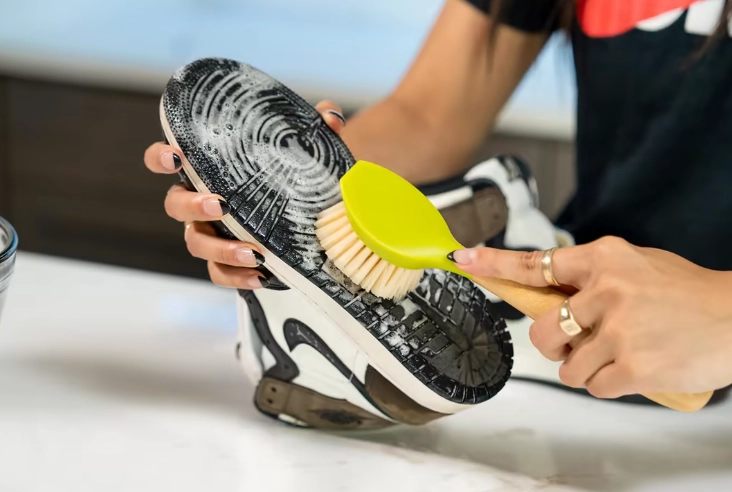
What's Inside This Guide?
- The Non-Negotiable Pre-Wash Checklist
- Your Shoe Material Dictates Everything
- The Hand-Wash Masterclass: For Delicate & Premium Kicks
- How to Machine Wash Shoes Safely (The Right Way)
- The Drying Phase: Where Most People Go Wrong
- Targeted Attack: Removing Specific Stains
- Your Shoe Washing Questions, Answered
The Non-Negotiable Pre-Wash Checklist
Jumping straight into washing is the first mistake. These five minutes of prep save hours of regret.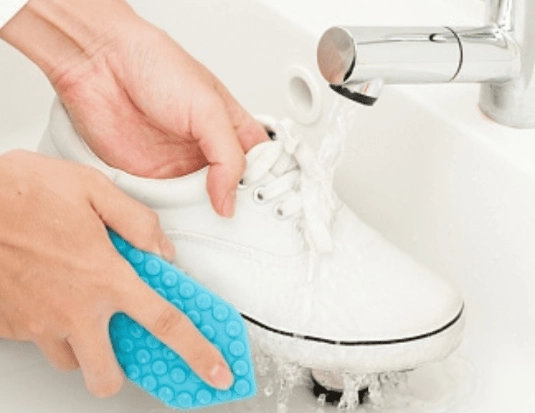
Remove the laces and insoles. Every time. I don't care how clean they look. Washing them separately (in a small mesh bag or by hand) ensures grime isn't just redistributed around the shoe's interior. It also lets you clean the tongue and inner lining properly.
Dry brush off loose dirt. Use a soft-bristled brush (an old toothbrush works) or even a dry cloth. Knocking off dried mud and dirt from the soles and uppers prevents you from creating an abrasive paste during washing that can scratch materials.
Check the care label. It's usually tucked under the tongue or along the inner sidewall. If it has a circle with an X through it, the manufacturer strongly advises against machine washing. Proceed with extreme caution or hand-wash only.
Your Shoe Material Dictates Everything
This is the core of shoe cleaning. Treating suede like canvas is a disaster. Here’s your cheat sheet.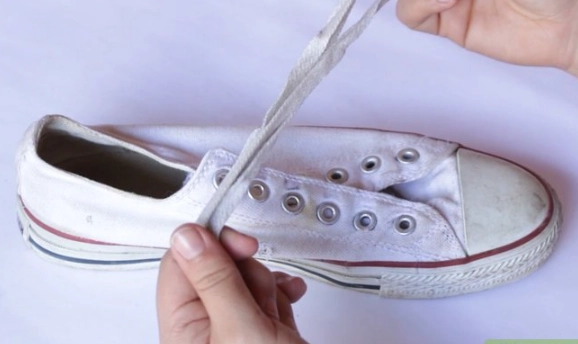
| Material | Best Cleaning Method | Key Do's & Don'ts | Drying Advice |
|---|---|---|---|
| Canvas & Cotton (Converse, Vans) | Machine wash (gentle) or hand wash. | DO use cold water. DON'T use bleach on colored canvas. DO spot-test. | Air dry. Can stuff with paper to hold shape. |
| Synthetic Leather & Mesh (Running shoes) | Hand wash preferred. Machine wash on gentle if sturdy. | DO focus on mesh with a soft brush. DON'T soak. DO use mild detergent. | Air dry away from heat. Remove insoles. |
| Genuine Leather (Boots, dress shoes) | Hand wash ONLY. Never submerge. | DO use leather cleaner or saddle soap. DON'T use household detergent. DO condition after. | Air dry at room temp. Use shoe trees. |
| Suede & Nubuck | Dry cleaning ONLY. No water. | DO use a suede brush & eraser. DON'T use liquid cleaners unless specified. DO protect with spray. | Brush nap while slightly damp from stain remover. |
| Knit & Primeknit (Adidas Ultraboost, Flyknit) | Hand wash in cold water. | DO be very gentle. DON'T twist or wring. DO lay flat to dry. | Lay flat on a towel. Reshape gently. |
The Hand-Wash Masterclass: For Delicate & Premium Kicks
Hand-washing is the gold standard for control. You'll need: a basin, lukewarm water, a gentle detergent (like dish soap or a dedicated shoe cleaner), soft brushes (nail brush, toothbrush), and microfiber cloths.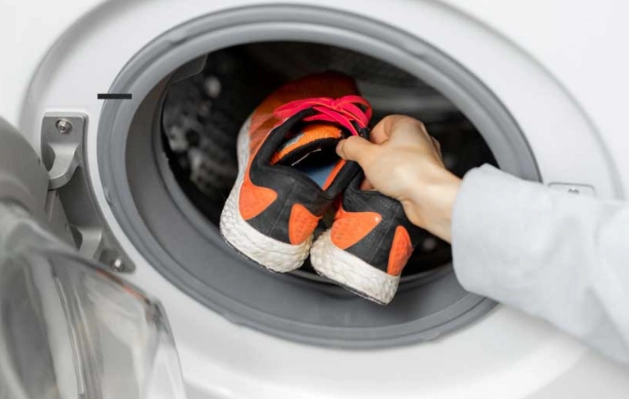
Fill the basin with cool or lukewarm water. Hot water can weaken adhesives. Add a small amount of detergent—think a teaspoon for a full basin. You want suds, not a bubble bath.
Dip your soft brush into the soapy water and gently scrub the shoe in small circles. Start from the top and work down to the dirtiest parts (the sole unit). For mesh, be extra gentle to avoid fraying. For leather, use a dedicated leather cleaner, not dish soap, as it can strip natural oils.
Here's a pro tip most guides miss: Clean the inside. Dampen a cloth with the soapy water (wring it out well) and wipe down the interior lining. This tackles odor at its source. For stubborn interior smells, a light spray of a 50/50 water and white vinegar solution (let it air out completely) works better than just baking soda.
Rinsing is critical. Use clean, cool water and a cloth or very gentle water stream to remove all soap residue. Leftover soap attracts more dirt.
How to Machine Wash Shoes Safely (The Right Way)
For sturdy canvas or synthetic athletic shoes, the washing machine can be okay if you follow these rules. I still prefer hand-washing for anything I truly care about.
Use a gentle, cold water cycle. No hot water. No heavy-duty cycle. The delicate or gentle cycle is your friend. The high spin speeds of a normal cycle can bang shoes around violently.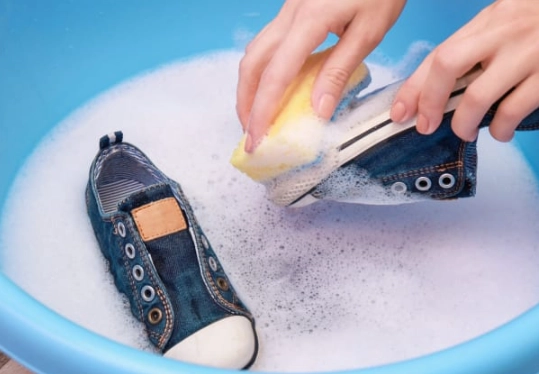
Protect the machine and the shoes. Place each shoe in a separate mesh laundry bag or even an old pillowcase tied shut. This minimizes the loud banging and protects the shoes' surfaces. Throw in a few towels to further cushion the load—they act like bumper cars.
Skip the detergent? Not quite. Use a small amount of mild, liquid detergent. Avoid bleach or fabric softener at all costs. Powder detergent can sometimes leave residues.
The Drying Phase: Where Most People Go Wrong
Rushing this step ruins more shoes than the wash itself. Heat is the enemy.
Never, ever use direct heat. Don't put shoes on a radiator, in a clothes dryer, or in front of a heater. The intense, uneven heat warps materials, shrinks fabrics, and melts the glue that holds the sole on. I've seen perfectly washed shoes rendered unwearable because someone "dried them quickly" near a vent.
Air dry at room temperature. This is the only way. Wipe off excess water with a dry towel. Stuff the shoes with crumpled white paper (newspaper can bleed ink) or dry towels. This absorbs moisture from the inside and helps maintain the shape. Replace the stuffing every few hours if it gets soaked.
Find the perfect spot. Place them in a well-ventilated area, out of direct sunlight (which can cause fading). A fan circulating air in the room can speed things up naturally. Expect it to take 24-48 hours for them to dry completely. Patience is key.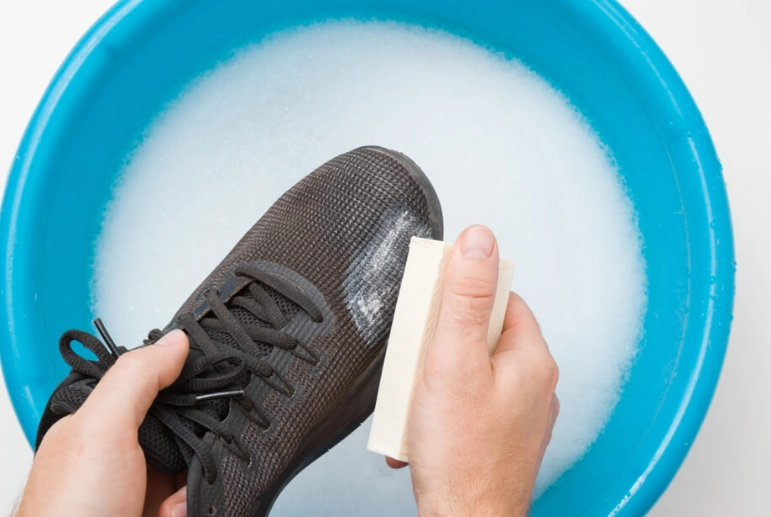
Targeted Attack: Removing Specific Stains
General cleaning is one thing, but specific stains need a sniper's approach.
Grass Stains: A paste of baking soda and water. Apply, let it sit for 30 minutes, then scrub gently with a brush before washing.
Mud: Let it dry completely first. Then brush off as much as possible. The remaining dust can often be brushed or vacuumed away before any wet cleaning.
Scuff Marks (on rubber soles): A magic eraser (melamine foam) is genuinely magical here. Dampen it and rub lightly. For colored soles, test a small area first.
Oil/Grease: Sprinkle cornstarch or talc on the spot to absorb the oil. Leave it for a few hours, brush off, then apply a small drop of dish soap directly to the stain, work it in, and rinse before a full wash.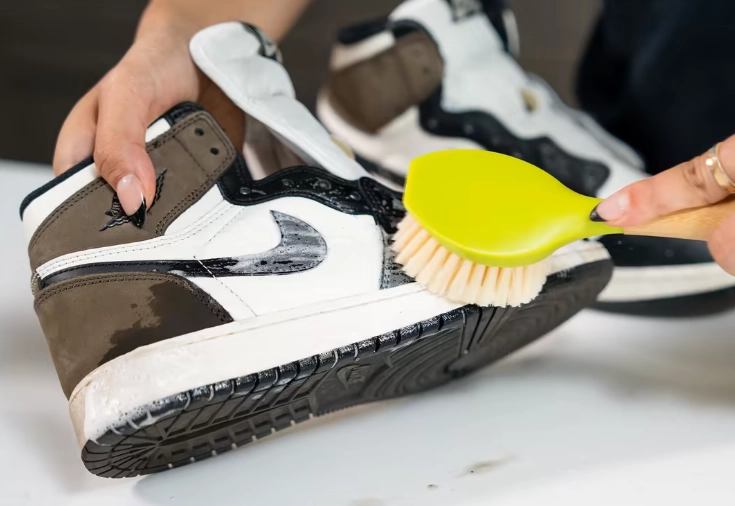
Your Shoe Washing Questions, Answered
The goal of washing your shoes isn't just to make them look new for a day. It's to extend their life, maintain their comfort, and get the most value out of your purchase. By understanding the material, prepping correctly, choosing the right method, and drying with patience, you can keep your favorite pairs in rotation for years. Now go give those kicks the care they deserve.