I remember the first time I had to wash a pricey down vest. That sinking feeling of potentially ruining its fluffy warmth was real. You’ve probably been there too—staring at a slightly grimy puffer, wondering if tossing it in the washer is a one-way ticket to a flat, clumped mess. Let’s cut through the worry. Washing a down vest at home is not only possible, it’s straightforward if you know the rules. This guide ditches the vague advice and gives you the concrete, step-by-step process I’ve used for years to keep my down gear looking and performing like new.
What You'll Find in This Guide
The Essential Pre-Wash Checklist
Don't just grab the detergent. Five minutes of prep saves you from heartache.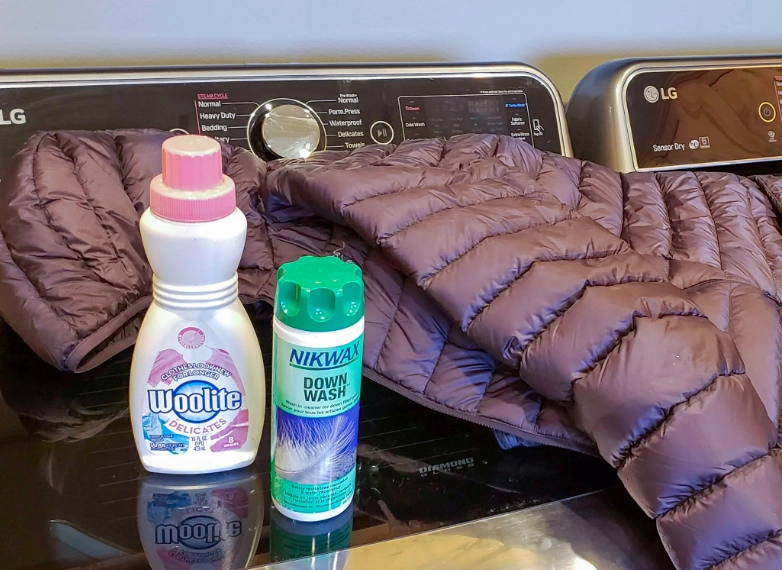
Read the care label. It sounds obvious, but I’ve seen people skip it. Look for symbols indicating machine washable (usually with a gentle cycle instruction) and tumble dry low. If it says “Dry Clean Only,” consult a professional, though many modern down items are washable.
Check for rips and loose threads. A small tear can become a massive feather explosion in the washer. Repair it first.
Zip up all zippers and close any Velcro flaps. This prevents snagging and protects the vest's shell fabric.
Gather your supplies:
- A front-loading or top-loading HE washer without an agitator is ideal. The central agitator in older top-loaders can be too harsh and may tear the baffles.
- Down-specific or gentle liquid detergent. Never use powder detergent (it can clump), bleach, or fabric softener. They strip down’s natural oils. Brands like Nikwax Down Wash or Grangers Down Care are formulated for this, but a mild, dye-free liquid soap works in a pinch.
- Clean tennis balls or dryer balls (2-3). This is non-negotiable for restoring loft.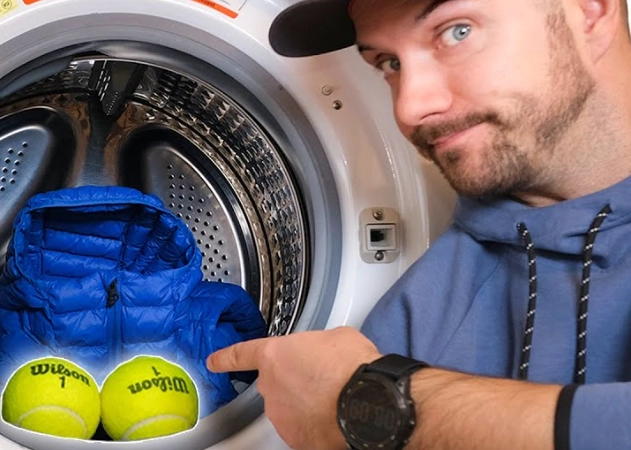
Expert Tip: The biggest mistake isn't the wash—it's the dry. Most down vest damage happens in the dryer because people get impatient and use too much heat or stop too soon. Budget at least 2-3 hours for the full drying cycle. Slightly damp down will clump ferociously and can even mildew.
How to Machine Wash a Down Vest (Safely)
For most modern down vests, the machine is your friend. Here’s the exact sequence.
Step 1: Machine and Cycle Selection
Use your gentle or delicate cycle with cold or warm water (not hot). The slow agitation is key. If your machine has an extra rinse option, use it. Residual soap is an enemy of loft.
Step 2: Detergent Dosage
Less is more. Use about half the amount you’d use for a normal load. For a dedicated down wash, follow the bottle’s instructions. Pour the detergent into the dispenser, not directly on the vest.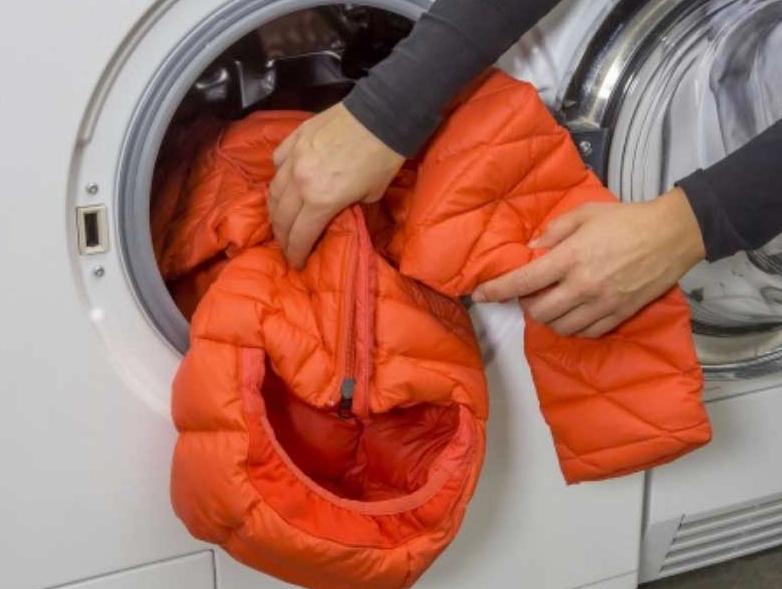
Step 3: The Actual Wash
Place the vest in the drum by itself, or with one or two other similar down items (like a jacket). Don’t wash it with jeans, towels, or heavy items. Start the cycle and let it run.
A quick comparison can help you decide your approach:
| Method | Best For | Key Advantage | Potential Drawback |
|---|---|---|---|
| Machine Wash (Gentle Cycle) | Modern, sturdy down vests with synthetic shells (polyester, nylon). | Thorough, deep cleaning with minimal effort. | Requires a suitable washer; slight risk if seals/stitching are weak. |
| Hand Wash | Vintage vests, delicate fabrics (e.g., lightweight ripstop), or vests with leather/wool trim. | Maximum control, gentlest on fabrics and construction. | Labor-intensive; thorough rinsing is challenging. |
The Hand Wash Method for Delicate Vests
If your vest is fragile or you just want ultimate control, hand washing is the way. Fill a clean bathtub or large basin with lukewarm water. Dissolve a small amount of down detergent. Submerge the vest and gently press it down—don’t wring or scrub. Let it soak for 15-30 minutes, gently agitating it every so often.
Drain the soapy water. This is the crucial part: refill with clean water and press the vest to rinse. Repeat this rinse process 3-4 times until the water runs completely clear. Any soap bubbles mean more rinsing is needed.
Drying Your Down Vest: The Most Critical Step
This is where you win or lose. Patience is your superpower.
Step-by-Step Drying Instructions
After the final spin cycle (or after hand-washing, gently pressing out water—never wringing), transfer the vest to the dryer immediately.
1. Add Dryer Balls: Toss in 2-3 clean tennis balls or wool dryer balls. They’ll physically beat the clumps apart as they tumble.
2. Set the Dryer: Use the lowest heat setting (Air Fluff or No Heat/Tumble is ideal). If you must use low heat, check every 20 minutes.
3. The Long Dry: Dry for at least 60-90 minutes initially. Stop the dryer and feel the vest. It will feel dry on the outside long before the down inside is dry.
4. The Clump Check: Massage any damp, clumpy sections between your fingers to break them up. This is vital.
5. Repeat Until Bone Dry: Continue drying in 30-minute increments, checking and breaking up clumps each time, until every bit of down is completely dry and fluffy. No cool, damp patches. This can take 3+ hours.
If you don’t have a dryer, lay the vest flat on a drying rack in a well-ventilated area. Turn and fluff it manually every few hours. This takes much longer (1-2 days) and may not restore loft as effectively.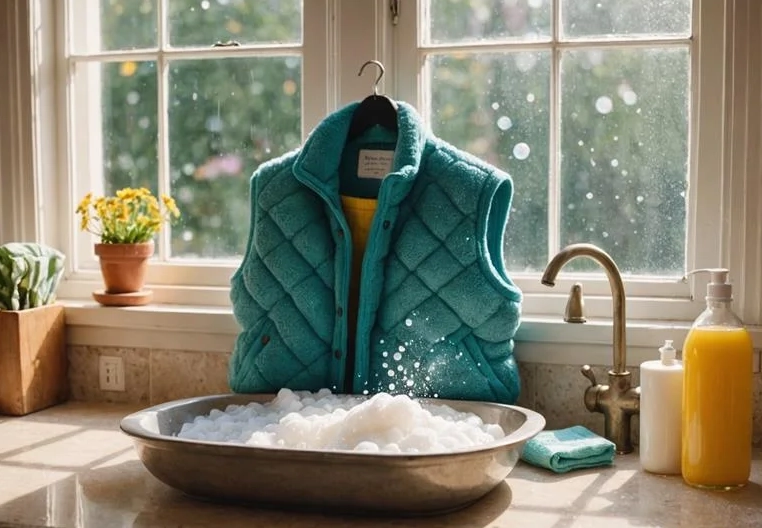
Storage & Spot Cleaning for Longevity
Don’t cram your clean vest into a tight closet. Store it loosely folded or hung on a wide, padded hanger in a cool, dry place. Never store it compressed in its stuff sack long-term—this permanently damages the down’s loft.
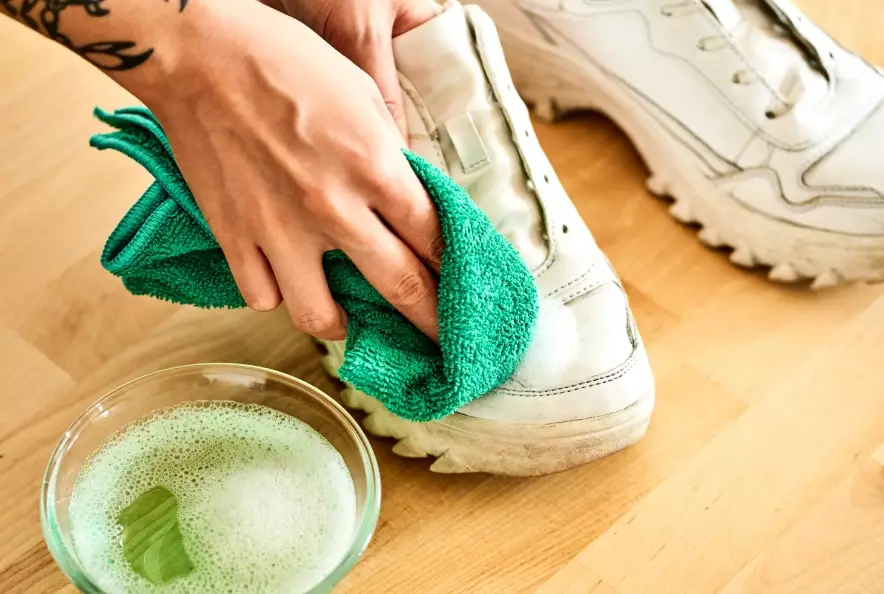
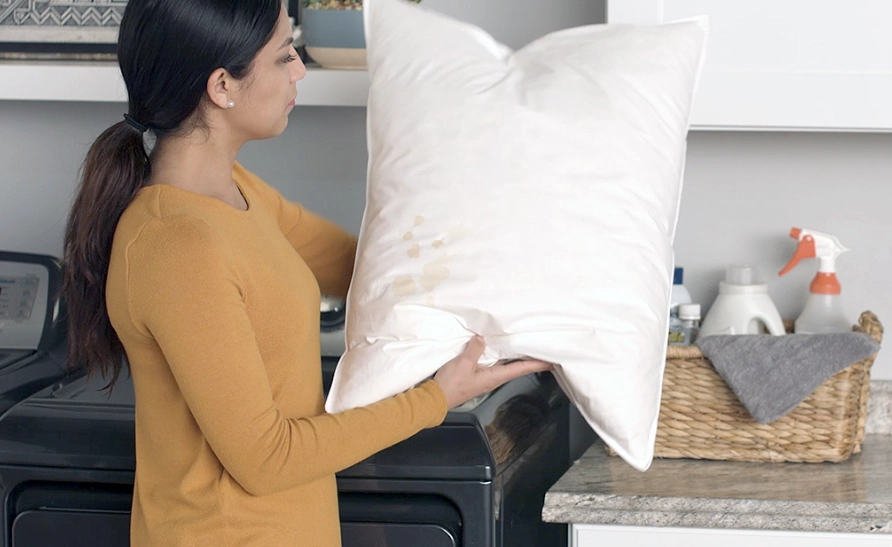
For small stains, spot clean. Dampen a cloth with a bit of your down detergent solution, gently dab the stain (don’t rub), then rinse the area with a clean, damp cloth. Let it air dry completely.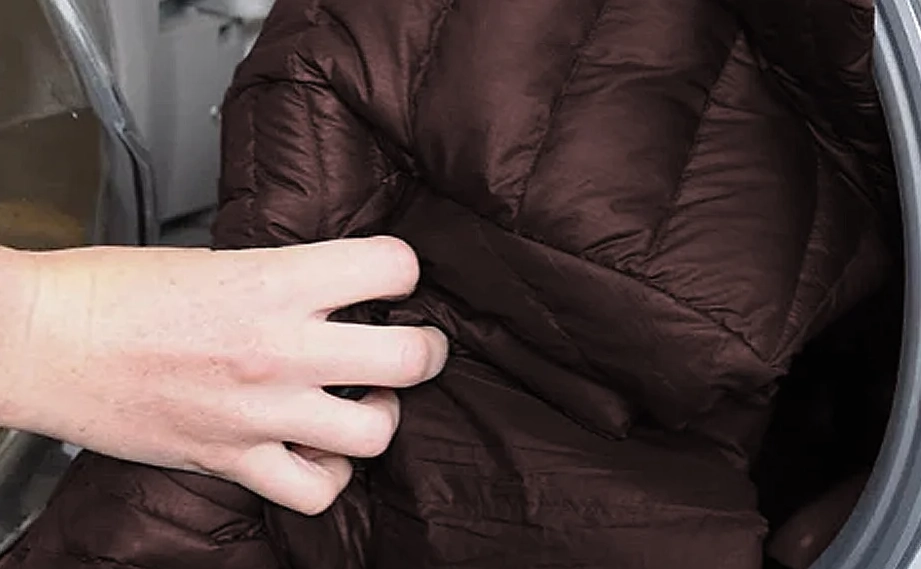
Your Down Vest Washing Questions, Answered
Can you put a down vest in the dryer?
Yes, and you generally should. Air-drying alone often leads to clumping and mildew. The key is using very low or no heat and dryer balls. The tumbling action with the balls is what restores the loft, not the heat. High heat can melt the thin shell fabric and damage the down.
How do I wash a down vest without ruining it?
The ruin usually happens in two ways: using harsh detergents/softeners or improper drying. Stick to a gentle, down-specific liquid detergent and commit to the long, low-heat dryer cycle with tennis balls. That combo addresses 95% of the risk.
What if my down vest is clumpy after washing?
It’s not ruined, it’s just not fully dry. Even a little moisture makes down stick together. Put it back in the dryer on no-heat/air fluff with dryer balls. Stop it every 15 minutes to vigorously massage and break apart the clumps by hand. Persistence pays off.
How often should you wash a down vest?
Only when necessary. Down doesn’t need frequent washing. Spot clean small stains. I wash mine maybe once a season, or if it’s been soaked in sweat or worn heavily. Over-washing can wear out the shell fabric. The International Down and Feather Bureau suggests airing it out regularly is often sufficient for maintenance.
Can I use regular laundry soap on a down vest?
You can, but I don’t recommend it. Standard detergives often have whiteners and softeners that coat the down, reducing its loft and water repellency. If you must, choose a simple, dye-free, fragrance-free liquid detergent and use half the normal amount. A down-specific wash is a better investment for preserving performance.
Look, washing a down vest isn’t a mysterious art. It’s a simple process of gentle cleaning followed by relentless, patient drying. Forget the horror stories. With the right supplies and a few hours set aside for the dryer, you can confidently refresh your vest season after season. That cozy warmth you love? It’s now paired with the confidence of knowing exactly how to care for it.