You're shopping for a new set of sheets, or maybe a summer t-shirt. You see "modal" on the tag and pause. It feels incredibly soft, almost silky, but a little voice in your head asks: Is this going to be stuffy? Does modal fabric breathe like my trusty cotton? It's a crucial question. Breathability isn't just about comfort; it's about temperature regulation, moisture management, and ultimately, whether you'll wake up sweaty or stay fresh during a workout.
The short, direct answer is: Yes, modal fabric breathes exceptionally well, often outperforming cotton in moisture-wicking, but the experience differs. Cotton offers a more traditional, airy feel, while modal provides a cooler, smoother, and faster-drying sensation. Choosing between them isn't about which is objectively "better," but which is better for you in a specific situation.
I've spent years testing fabrics for apparel and home use, and the modal vs. cotton debate is full of subtle misunderstandings. Most articles just repeat the same basic specs. Let's dig deeper.
What You'll Discover in This Guide
How Does Modal Fabric Breathe Compared to Cotton?
First, let's define "breathe." In fabrics, it means two things: 1) the ability to allow air to pass through the weave (air permeability), and 2) the ability to absorb moisture vapor (like sweat) from your skin and release it into the air (moisture vapor transmission).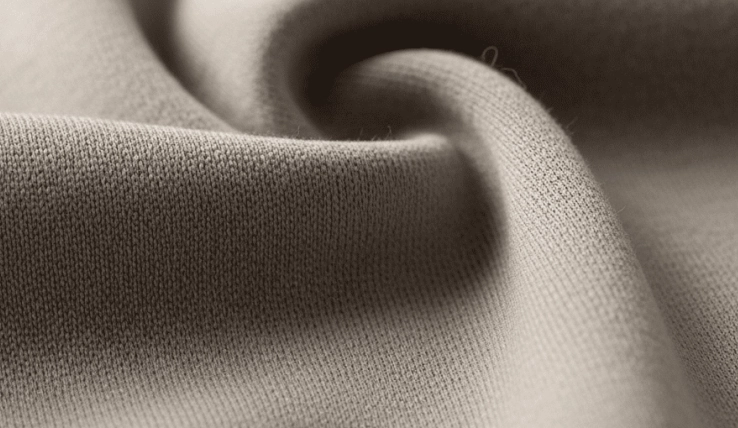
Both modal and cotton score high on air permeability if woven loosely. A standard cotton jersey tee and a modal tee will both let air flow. Where they diverge dramatically is in moisture management.
Cotton is absorbent—it can hold a lot of water, about 25% of its weight. When you sweat, cotton pulls moisture away from your skin into the fabric. That's good initially. But then it holds onto that moisture. The fabric becomes damp, heavy, and can feel clammy against your skin. It loses its insulating properties, which is why you can get chilled in a wet cotton shirt.
Modal is also absorbent, but it absorbs and releases moisture much faster. The smooth fiber surface allows water to spread quickly across a larger area and evaporate. Think of it like a well-designed kitchen towel versus a thick bath towel. The kitchen towel (modal) soaks up spills and dries fast. The bath towel (cotton) holds more water but stays wet longer.
In practical terms, during moderate activity, modal will feel cooler and drier to the touch faster than cotton. For a hot sleeper, modal sheets might prevent that damp feeling more effectively.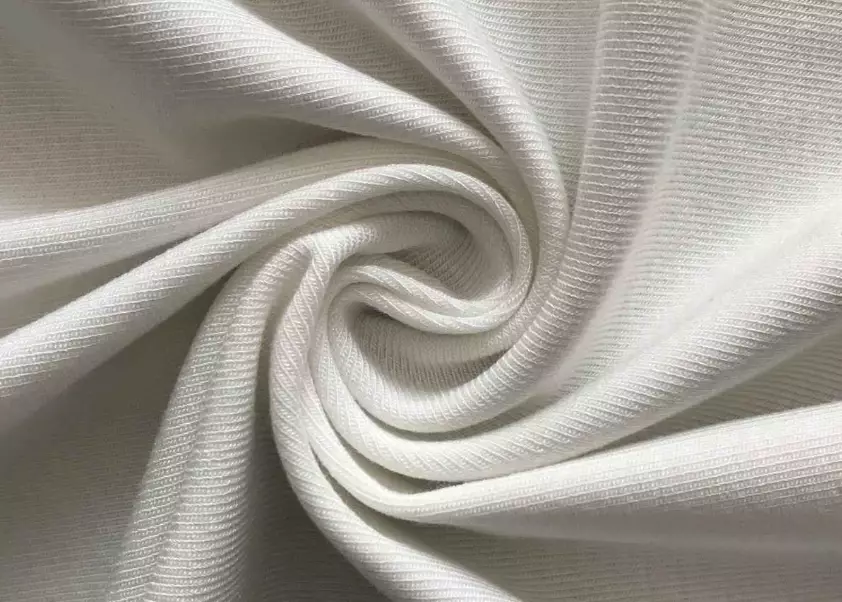
Key Differences: Moisture, Feel, and Durability
Breathability doesn't exist in a vacuum. It's tied to other properties that affect your overall comfort. Here’s a breakdown that goes beyond the usual bullet points.
| Characteristic | Modal Fabric | Cotton Fabric (e.g., Pima, Supima) |
|---|---|---|
| Moisture Wicking | Superior. Absorbs and releases moisture vapor rapidly. Keeps skin feeling dry. | Good absorption, slow release. Can feel damp and clingy when saturated. |
| Hand Feel & Drape | Silky, smooth, luxurious drape. Clings to the body softly. | Softer over many washes, more matte finish. Can be crisp or soft depending on weave. |
| Thermal Regulation | Feels cooler to the touch when dry. Excellent for managing heat buildup. | Feels warmer when dry. Good insulator, but less effective when wet. |
| Durability (Wet) | Weaker when wet. Requires gentle handling during washing. | Stronger when wet. Can withstand more mechanical agitation. |
| Environmental Impact | Often marketed as sustainable (beech trees). Closed-loop process possible, but check brand claims. | Conventional cotton has high water/pesticide use. Organic cotton is a better choice. |
| Common Uses | Premium underwear, sportswear blends, luxury bedding, drapey tops. | Everyday t-shirts, jeans, towels, classic bedding, hard-wearing workwear. |
One non-consensus point I've observed: people often mistake modal's smooth, cool feel for being "synthetic" or non-breathable. It's the opposite. That slickness is a result of its refined cellulose structure, which is precisely what enables its superior moisture movement. Don't let the luxury feel fool you into thinking it's not functional.
When Should You Choose Modal Over Cotton (and Vice Versa)?
Stop thinking about which fabric is "the best." Start thinking about the scenario. Here’s my practical, scenario-based guide.
Sleeping in a Warm Climate or if You're a Hot Sleeper: Modal bedding or pajamas. Its rapid moisture-wicking will help keep you dry and cool throughout the night. This is where it genuinely outshines cotton for many people.
High-Sweat, Low-Impact Activities: Think yoga, Pilates, or a long commute in summer. Modal underwear and base layers excel here. They pull sweat away quickly, preventing chafing and that cold, wet feeling.
Skin Sensitivity: The ultra-smooth fibers of modal have no microscopic spurs that can irritate skin, making it a fantastic choice for sensitive skin or loungewear.
Stick with Cotton For:
High-Abrasion Activities: Heavy-duty gardening, hiking with a backpack, construction work. Cotton's durability when wet and its abrasion resistance make it more suitable. A modal t-shirt might pill or wear thin faster in these conditions.
Classic, Crisp Casual Wear: The iconic feel of a broken-in cotton tee or the structure of a cotton oxford shirt is hard to replicate. If you love that specific cotton hand-feel and look, modal's drape won't satisfy you.
Towels and Robes: You want cotton's high water retention here. A modal towel would feel nice but wouldn't dry you effectively—it would just push water around.
Why Care Instructions Drastically Affect Breathability
This is a critical and often overlooked factor. How you wash and dry these fabrics can enhance or destroy their breathability.
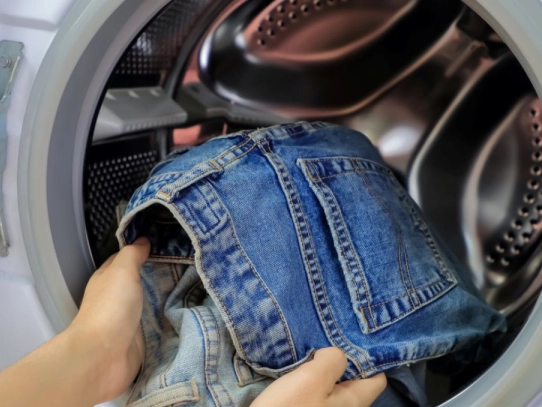
Modal's Achilles Heel: It is more delicate when wet. Aggressive machine washing, high heat drying, and fabric softeners are its enemies. Fabric softener coats the fibers, clogging the very pores that make modal so breathable and moisture-wicking. High heat can weaken the fibers, leading to shrinkage and a loss of that signature softness.
Best Practice for Modal: Wash cold on a gentle cycle. Avoid fabric softener (use wool dryer balls if needed). Tumble dry low or, better yet, air dry. This preserves its structure and breathability for years.
Cotton's Resilience: Cotton can generally handle tougher washing and higher heat. However, over-drying cotton on high heat can cause it to become stiff and less absorbent over time. Using fabric softener on towels is a classic mistake—it reduces their absorbency dramatically.
If your modal garment loses its breathability, it's likely due to improper care, not the fabric itself.
Your Questions, Answered by a Fabric Specialist
The verdict isn't a simple yes or no. Modal breathes differently than cotton—often more efficiently in managing moisture, but within a different tactile experience. For dryness and coolness, especially against the skin, modal has a clear edge. For rugged, classic, and structured comfort, cotton remains king.
Your decision should hinge on your personal priority: Is it maximum dryness and a silky feel (choose modal), or is it a familiar, airy texture and rugged simplicity (choose cotton)? Understanding this distinction moves you from a confused shopper to an informed one, ready to pick the perfect fabric for any need.