You're holding a shirt that feels unbelievably soft. The tag says "100% Modal." It's marketed as silky, eco-friendly, and breathable. But a nagging question pops into your head: is modal a synthetic fabric? The answer isn't a simple yes or no, and that's where most online explanations fall short. They'll give you a textbook definition and move on. After years working with textiles and seeing how fabrics perform in real life—from high-end bedding that pills after three washes to workout clothes that lose their shape—I've learned the labels often hide more than they reveal. Let's cut through the marketing. Modal is a regenerated cellulose fiber, which puts it in a fascinating gray area between natural and synthetic. It starts with natural wood pulp (usually from beech trees) but undergoes a significant chemical manufacturing process to become the fiber you know. Think of it as a highly refined, upgraded version of nature's blueprint.
What You'll Discover
What Modal Really Is: The Beech Tree to Fabric Journey
Let's trace its origin. Modal is primarily made from the pulp of beech trees. These trees often grow in sustainable forests, like those managed in Austria by Lenzing AG, the company that pioneered and trademarked "Lenzing Modal™." This is the source of its "natural" claim. But here's the crucial part everyone misses: the raw wood pulp is useless as a textile on its own.
It must be dissolved using chemicals (like sodium hydroxide and carbon disulfide) to create a viscous, honey-like solution. This solution is then forced through tiny spinnerets (think of a high-tech showerhead) into a chemical bath, where it solidifies into continuous fibers. This process is called regeneration. It's similar to how viscose (rayon) is made, but with key tweaks that make modal stronger and more efficient. The specific process for modal uses less concentrated chemicals and a modified spinning technique, resulting in a fiber with higher wet strength and better dimensional stability than regular viscose.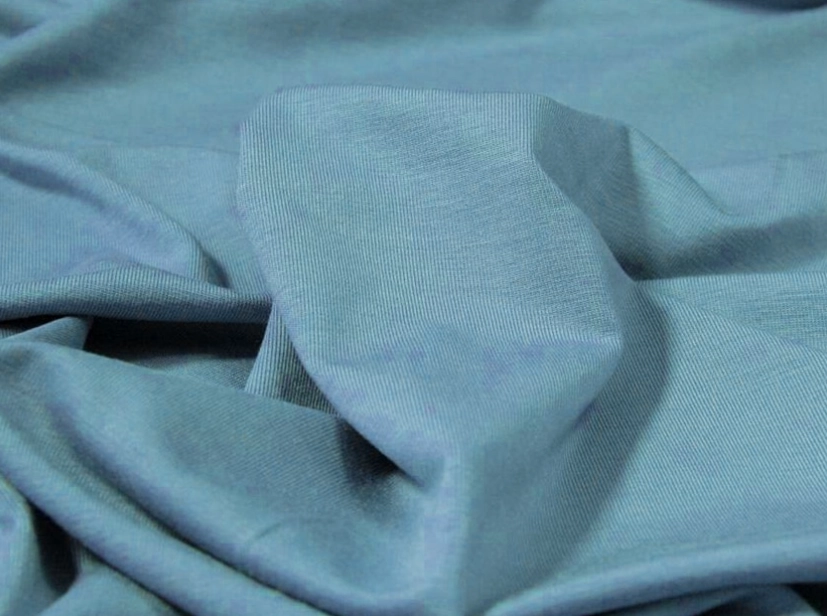
The Synthetic vs. Natural Breakdown: Where Modal Fits
To clear the confusion, let's categorize fabrics by their source and processing:
- Natural Fibers: Come directly from plants or animals with minimal mechanical processing. Examples: Cotton (plant), Linen (plant), Wool (animal), Silk (animal). You can, in theory, spin them into yarn with very basic tools.
- Man-Made Cellulosic Fibers (MMCFs): This is modal's family. They start with natural cellulose (from wood or plants) but require chemical dissolution and regeneration to become a fiber. Examples: Modal, Viscose/Rayon, Lyocell (Tencel™).
- Synthetic Fibers: Created entirely from chemical synthesis, usually from petroleum-based polymers. Examples: Polyester, Nylon, Acrylic, Spandex.
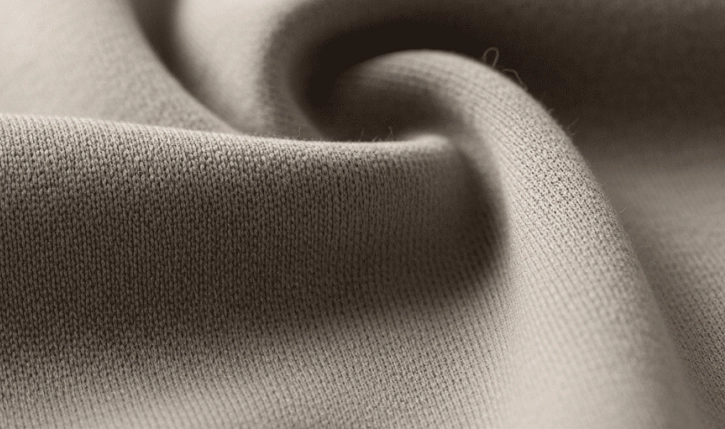
So, calling modal "synthetic" in casual conversation isn't entirely wrong—it is man-made—but it's imprecise. It lacks the oil-derived, plastic-like qualities of true synthetics. Its core material is renewable wood, and its production, especially by leaders like Lenzing, is often done in a closed-loop system that recovers and reuses most chemicals. This is a major point for its eco-friendly reputation, though not all modal is created equal. Generic "modal" from unspecified sources may not follow the same stringent environmental standards.
Modal vs. Cotton, Viscose & Polyester: A Practical Comparison
Forget abstract qualities. How does modal stack up where it matters—on your skin, in the wash, and over time? This table breaks it down for common use cases like t-shirts, underwear, and bedsheets.
| Fabric | Source & Category | Feel & Drape | Breathability & Moisture | Durability & Care | Best For |
|---|---|---|---|---|---|
| Modal | Beech tree pulp (Man-made cellulosic) | Exceptionally soft, silky, fluid drape. Feels luxurious from day one. | Highly breathable. Wicks moisture better than cotton, dries faster. Doesn't trap heat. | Stronger than viscose when wet. Can stretch out if hung heavy/wet. Low pilling. Machine wash cool, tumble dry low. | Everyday wear (tshirts, underwear), pajamas, lightweight bedding, blend for stretch. |
| Cotton | Cotton plant (Natural) | Soft (can get softer with washes), crisp or soft depending on weave. Less fluid than modal. | Breathable, absorbent but holds moisture (feels damp longer). Can be clingy when sweaty. | Durable, can handle higher heat. Prone to shrinkage if not pre-shrunk. May wrinkle easily. | Hard-wearing items (jeans, towels), hot weather shirts, classic bedding. |
| Viscose/Rayon | Various wood pulps (Man-made cellulosic) | Very soft and drapey, similar to modal but can feel slightly slimy when wet. | Breathable, but weaker fiber structure can make it feel clammy if not woven well. | Weak when wet (easily damaged during washing). Prone to shrinking, stretching. Often requires dry cleaning. | Flowy blouses, dresses, linings where durability isn't key. |
| Polyester | Petroleum (Synthetic) | Can feel soft but often has a slight plastic/slick hand-feel. Drapes well but artificially. | Less breathable. Traps heat and moisture (can feel sweaty). Wicks moisture in performance blends. | Very strong, resistant to wrinkles and shrinking. Holds odors. Pills over time. Easy machine wash. | Activewear, outerwear, cheap fast fashion, wrinkle-resistant items. |
I once bought a set of "luxury" viscose sheets because they felt amazing in the store. Big mistake. The first warm night, they stuck to me. A careless warm wash later, they were a shrunken, misshapen mess. That experience taught me the difference between drape and performance. Modal bedding, in contrast, has been a game-changer—it stays cool and hasn't lost its shape after years of use.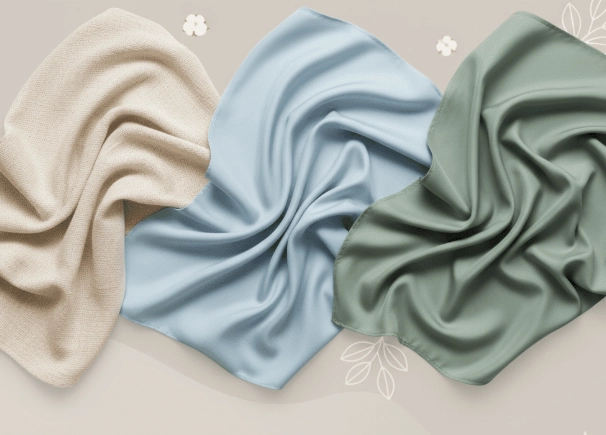
Where Modal Excels (And Where It Doesn't)
Based on its properties, modal has clear winning applications and a few areas where it's not the best pick.
Modal's Sweet Spots:
- Underwear & Socks: Its supreme softness, breathability, and moisture-wicking make it ideal for all-day comfort against the skin. It reduces chafing and stays fresher longer than cotton.
- Everyday T-Shirts & Loungewear: That buttery-soft feel with good durability for daily wear. It's less prone to the stiffening or rough texture cheap cotton can develop.
- Lightweight Bedding (Sheets & Pillowcases): For hot sleepers or those who want a silky feel without the slipperiness of satin or the heat retention of flannel. Modal sheets are temperature-regulating.
- Blended Fabrics: Often blended with a small amount of spandex (like 95% Modal, 5% Spandex) to create stretchy, comfortable leggings, casual dresses, and fitted tops that move with you.
When to Choose Something Else:
- Heavy-Duty Workwear or Towels: Modal isn't as abrasion-resistant as cotton canvas or as absorbent as terry cotton. It's a performance fiber for comfort, not rough tasks.
- High-Heat Applications: While durable, it's not as heat-resistant as cotton or synthetics like Nomex. Don't make modal oven mitts.
- Extremely Structured Garments: Its fluid drape is a downside if you want a crisp, structured blazer or a garment that holds a rigid shape. Linen or cotton poplin would be better.
Caring for Your Modal Clothes & Bedding
Modal is low-maintenance, but a few wrong moves can shorten its life. Here's the insider's guide:
Washing: Always use cool or lukewarm water (30°C / 86°F max). Hot water is the enemy—it can weaken the fibers and cause excessive shrinkage. Turn items inside out to protect the surface. Use a gentle or delicate cycle.
Detergent: A mild liquid detergent is best. Avoid heavy powders or bleach, which can degrade the fibers.
Drying: This is critical. Never wring out wet modal. The fiber is strongest when dry and more vulnerable when saturated. Gently press out water. The best method is to lay it flat on a drying rack. If you must use a dryer, choose the lowest heat setting (tumble dry low) and remove while still slightly damp to avoid over-drying and static. High heat will definitely cause shrinkage.
Ironing: If needed, use a low heat setting. The fabric usually drapes out wrinkles easily, so ironing is rarely necessary.
Your Modal Questions, Clearly Answered
So, back to the original question: is modal a synthetic fabric? Technically, it's a semi-synthetic, man-made cellulosic fiber. In practice, it behaves more like a refined, high-performance version of a natural fiber. It offers a unique combination of natural comfort (breathability, softness) and man-made consistency and strength. The key takeaway isn't just the label, but understanding what that label means for how the fabric feels, performs, and lasts. When you see "modal" next time, you'll know you're holding something that started in a forest, was transformed in a lab, and ends up offering some of the best everyday comfort available.