Let's talk about the fabric that's been quietly revolutionizing your underwear drawer and activewear collection. You've probably felt it – that impossibly soft, silky smooth texture on a t-shirt or a pair of pajamas that feels cooler and lighter than cotton. Chances are, you were touching Lenzing Modal. But what is Lenzing Modal fabric, really? It's not just another synthetic blend or a marketing gimmick. It's a specific type of rayon, made from beechwood pulp, produced by an Austrian company called Lenzing AG. Think of it as nature's polymer, engineered for comfort.
The key here is the source and the process. While generic "modal" can come from various producers with varying environmental standards, Lenzing Modal sets a high bar. They source wood from sustainably managed forests, primarily in Europe, and use a closed-loop system that recycles almost all water and chemicals. This isn't just tree-hugging talk; it results in a fabric with consistent, high-quality fibers that brands trust.
I've worked with fabrics for over a decade, and the mistake I see most often is people lumping all modal together. They buy a cheap "modal blend" top that pills after three washes and swear off the material forever. That's like judging all coffee by a cup of instant. The "Lenzing" part matters because it guarantees a certain standard of fiber integrity and production ethics.
Your Quick Guide to Lenzing Modal
- What Exactly is Lenzing Modal Fabric?
- How is Lenzing Modal Made? The Closed-Loop Secret
- Why Choose It? The Top Benefits of Lenzing Modal
- Is It Perfect? The Honest Downsides
- How to Spot High-Quality Lenzing Modal in Stores
- Lenzing Modal vs. Cotton: A Side-by-Side Wear Test
- Making It Last: Your Lenzing Modal Care Cheat Sheet
- Your Top Questions on Lenzing Modal, Answered
What Exactly is Lenzing Modal Fabric?
At its core, Lenzing Modal is a type of rayon. Rayon is a broad category for fibers made from regenerated cellulose, which is just a fancy term for plant pulp. While regular viscose rayon can be made from bamboo or eucalyptus, Modal is specifically made from beechwood trees. Lenzing has perfected this process.
The beechwood is chipped, dissolved into a pulp, and then pushed through tiny holes (spinnerets) to create long, continuous fibers. These fibers are what give Modal its signature smoothness and strength. Lenzing doesn't just make a fiber; they engineer it for specific uses. For instance, their Modal branded fiber is the classic, super-soft version ideal for everyday wear. They also have Modal with COOLMAX technology for enhanced moisture-wicking in sportswear.
Key Takeaway: Lenzing Modal isn't a natural fiber like cotton (grown) or a synthetic like polyester (made from oil). It's a "man-made cellulosic fiber" (MMCF). This hybrid status gives it the best of both worlds: the natural, breathable feel of plants with the consistency and performance enhancements of engineering.
How is Lenzing Modal Made? The Closed-Loop Secret
This is where Lenzing truly stands apart. The environmental impact of generic viscose production can be nasty, involving harmful chemicals like carbon disulfide and polluting waterways. Lenzing's process, branded as Eco Soft technology, is a different story.
They use a closed-loop system. Imagine a large, sophisticated recycling plant attached to the fiber factory. Over 95% of the water and solvents used to dissolve the wood pulp are captured, purified, and fed back into the production cycle. This drastically reduces waste and environmental pollution. The wood itself comes from PEFC or FSC-certified forests, meaning trees are replanted and biodiversity is managed.
I visited a textile trade show where a Lenzing rep showed side-by-side water samples from a conventional viscose plant and theirs. The difference was stark. This commitment isn't just PR; it's baked into the fiber's identity and is a major reason why eco-conscious brands like Patagonia, Stella McCartney, and even fast-fashion players aiming to improve (like H&M's Conscious line) seek out Lenzing specifically.
Why Choose It? The Top Benefits of Lenzing Modal
So why go through all this trouble? Because the end product delivers where it counts: on your skin.
Unmatched Softness (That Gets Softer)
This is the headline feature. Lenzing Modal fibers are extremely fine and smooth, resulting in a fabric that feels luxuriously soft from the first wear. Unlike cotton, which can soften over time but also wear down, Modal often feels even softer after several washes. It has a fluid, draping quality that feels expensive.
Breathability and Moisture Control
Here's a concrete example. I wore a 100% Lenzing Modal t-shirt on a humid, 85-degree day running errands. My usual cotton tee would have developed damp patches on the back. The Modal shirt felt noticeably cooler and drier. The fibers absorb moisture vapor (sweat) efficiently and release it into the air, keeping you comfortable. It's why it's a staple in underwear and bedding.
Color Vibrancy and Drape
The smooth fiber surface accepts dye beautifully, leading to rich, lasting colors that resist fading better than many cottons. Combined with its natural drape, this makes Modal a favorite for flowing dresses, skirts, and loungewear that looks elegant.
Strength and Durability
This surprises people. Despite its delicate feel, Modal is stronger than viscose rayon and more resistant to shrinkage. A well-made Lenzing Modal garment, cared for properly, will hold its shape and integrity for years. I have Modal blend socks that have outlasted all-cotton ones by a mile.
Is It Perfect? The Honest Downsides
No fabric is a superhero. Let's be real about Modal's limitations.
Wrinkling: It can wrinkle, especially in 100% weaves. A modal-cotton or modal-lyocell blend often improves this. Don't expect crisp, linen-like wrinkles though; they're more of a soft rumple.
Heat Sensitivity: This is the big one. Modal is sensitive to high heat. A hot dryer or a high-iron setting can melt or weaken the fibers, leading to shrinkage, stiffness, or that dreaded shiny, burnt patch. Always check the label.
Pilling on Cheap Blends: I'll say it again: not all modal is equal. Low-quality modal or blends with short staple fibers (not Lenzing's long fibers) can pill. The pilling isn't usually severe like on a cheap sweater, but it can appear on high-friction areas.
How to Spot High-Quality Lenzing Modal in Stores
You don't need a lab. Use these tricks next time you're shopping.
Check the Label Composition: Look for "Lenzing Modal" specifically on the hangtag or brand website. Many responsible brands proudly display this partnership. A label that just says "Modal" is a gamble.
Feel the Fabric: Authentic Lenzing Modal has a cool, silky, substantial hand-feel. It shouldn't feel thin, papery, or static-prone. Rub it between your fingers; it should feel smooth, not grabby.
Examine the Stitching and Finish: Brands that invest in premium fibers usually invest in good construction. Look for neat seams, reinforced stress points (like armholes), and a general sense of quality. A poorly made garment will waste a good fiber.
Lenzing Modal vs. Cotton: A Side-by-Side Wear Test
Let's put them head-to-head. Cotton is the default, so how does Modal stack up for everyday use?
| Feature | Lenzing Modal | Standard Cotton |
|---|---|---|
| Softness | Exceptionally soft, silk-like feel from day one. | Can be soft, but often starts slightly coarse and softens with washes. |
| Breathability | Excellent. Wicks moisture vapor away efficiently. | Good, but can hold liquid sweat, feeling damp. |
| Durability (Wet) | Stronger when wet, holds shape well. | Weaker when wet, prone to stretching out. |
| Environmental Footprint | Lower water & pesticide use (beech trees vs. cotton farming). Closed-loop production. | Very high water consumption. Conventional farming uses significant pesticides. |
| Care | Gentle wash, low heat. Air dry is best. | More durable against heat, can handle machine drying. |
| Best For | Underwear, pajamas, bedding, summer tops, activewear linings. | Towels, denim, hard-wearing workwear, items needing crispness. |
The verdict? Modal wins for next-to-skin comfort and eco-credentials in controlled production. Cotton is still king for heavy-duty, high-heat applications. They're different tools.
Making It Last: Your Lenzing Modal Care Cheat Sheet
Treat it well, and it'll love you back. Here’s the non-negotiable routine:
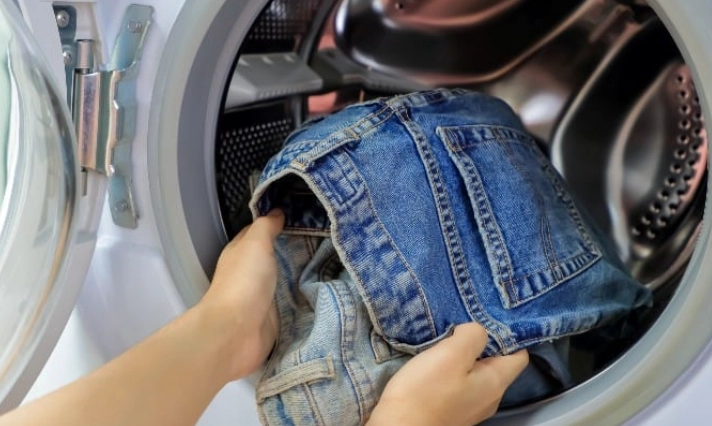
Washing: Machine wash cold or warm (max 30-40°C / 86-104°F) on a gentle cycle. Use a mild detergent. Turn garments inside out to protect the surface.
Drying: This is critical. Air dry flat or on a line. If you must use a dryer, select the lowest heat setting (air fluff or no heat) and remove while still slightly damp to smooth out.
Ironing: If needed, use a low heat setting (silk/wool setting). Never use a high heat. A steamer is your best friend for Modal – it removes wrinkles without direct heat contact.
Storage: Fold it. Don't hang heavy Modal items like sweaters for long periods, as they can stretch out.
Your Top Questions on Lenzing Modal, Answered
I love Modal, but my favorite t-shirt pills under the arms. Is this normal for Lenzing Modal?
Pilling in high-friction areas (armpits, sides) can happen even with good fibers, but it's less common and severe with pure Lenzing Modal. What you're likely seeing is a blend with a weaker fiber, like short-staple cotton or generic viscose, that breaks and forms pills. For longevity, look for blends with Lyocell (TENCEL™) or long-staple cotton, which pill less. A fabric shaver can carefully remove pills without damaging the base fabric.
How can I be sure the "sustainable" claims about Lenzing Modal are real and not greenwashing?
Demand transparency. Look for the Lenzing brand name on the tag. Then, visit the Lenzing Group website. They publish detailed environmental reports and hold certifications like the EU Ecolabel and Oeko-Tex Standard 100. Third-party reports from organizations like the Changing Markets Foundation have highlighted Lenzing as a leader in responsible MMCF production. The closed-loop process is their key verifiable differentiator from conventional viscose.
Is Lenzing Modal fabric good for hot weather and sweating during workouts?
It's excellent for heat management due to its breathability, making it great for hot weather casual wear. For intense sweating during workouts, pure Modal might absorb too much liquid sweat and feel heavy. This is where Lenzing's engineered versions shine. Look for Modal with COOLMAX® or blends with a small percentage of synthetic moisture-wicking fibers. These are designed to move sweat away from the skin quickly to the fabric's outer layer to evaporate, making them superior for high-intensity activities.
My Lenzing Modal dress shrank slightly. Did I ruin it, and can I fix it?
You probably exposed it to high heat in the washer or dryer. Modal fibers can relax and contract with heat. All might not be lost. Try soaking it in lukewarm water with a bit of hair conditioner for 30 minutes. Gently squeeze out water (don't wring), lay it flat on a towel, and manually stretch it back to its original shape and size. Let it air dry flat. This won't always work, but it's worth a shot. Prevention is key – stick to cold washes and air drying.