Quick Navigation
Straight to the point: no, modal fabric is not toxic – both to wear and for the environment, when produced responsibly. But there's a catch. The word 'toxic' often gets thrown around when we talk about viscose and rayon processes. So let me break down what modal really is, how it's made, and why some pieces are safer than others. I've been wearing modal basics for years, and I've even visited a Lenzing facility to see the closed-loop process firsthand. Here's what I found.
What Exactly Is Modal Fabric Made Of?
Modal is a type of rayon, made from beech tree wood pulp. The wood is chipped, then dissolved in a chemical bath to extract cellulose. The resulting pulp is pressed into sheets, aged, and then forced through spinnerets to create fibers. Sounds scary? It's similar to how cotton is processed, but with more chemistry involved.
I remember reading the chemical names and nearly panicking: sodium hydroxide, carbon disulfide, sulfuric acid. But here's the thing: the chemicals are mostly removed during washing. The finished fiber is over 99% pure cellulose. That's why modal feels so soft – the fibers are rounder and smoother than regular viscose.
The Manufacturing Process: Where Toxins Could Hide
This is where people get worried. Traditional viscose processing really is nasty. It uses carbon disulfide – a substance that can cause neurological damage and birth defects in workers. But modern modal, especially from European producers like Lenzing, uses a closed-loop system that captures and recycles chemicals.
The Chemical Soup Behind Rayon
In a closed-loop process, over 99% of chemicals are recovered and reused. The leftover waste is minimal and treated. So while the raw process involves toxic substances, the final fabric is thoroughly washed and neutralized. That's a huge difference from cheap viscose factories in some countries where regulations are lax.
Always check for OEKO-TEX Standard 100 certification. It means the finished textile has been tested for harmful substances and is safe for human skin.
Is Modal Fabric Toxic to Wear? A Closer Look at Skin Health
If you have sensitive skin, you might worry about chemical residues. I've worn modal underwear and activewear for years with zero irritation. The fibers are smooth and breathable, making them less likely to cause friction or allergies. Plus, the FDA hasn't flagged modal as a skin sensitizer – it's even used in medical dressings.
That said, if you have severe eczema, always wash new clothes before wearing – that's common sense for any fabric. And if you notice a strong chemical smell when you unbox a modal garment, that's a red flag. It might be from cheap dyes or unfinished processing. Send it back.
Modal vs. Cotton vs. Viscose: Which Is Safer?
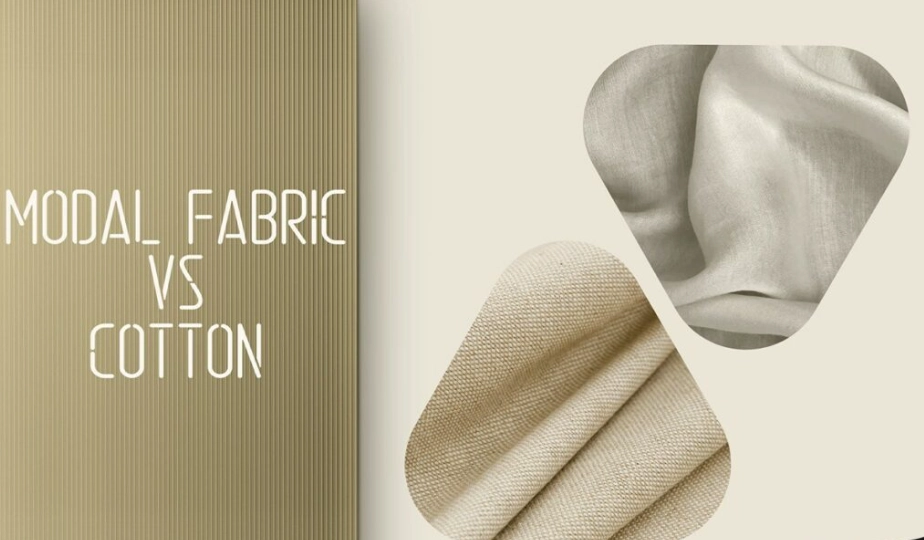
Let's compare these three popular fabrics side by side. Cotton is natural but heavily sprayed with pesticides. Viscose has a bad reputation for pollution. Modal sits in the middle if produced responsibly.
| Factor | Cotton | Viscose (Rayon) | Modal |
|---|---|---|---|
| Source | Plant (pesticide risk) | Wood pulp | Beech wood (sustainable) |
| Chemical residues in final fabric | Low (but pesticides in soil) | Possible if not washed well | Very low with OEKO-TEX |
| Skin sensitivity | Good | Fair | Excellent for sensitive skin |
| Environmental impact | High water & pesticide use | High if open-loop | Low with closed-loop |
As you can see, cotton isn't automatically 'clean'. Organic cotton is safer, but it uses more land. Modal often gets overlooked as a low-tox option because of its rayon family name.
The Environmental Footprint: Is Modal Eco-Friendly?
Modal is biodegradable and comes from renewable wood. But not all modal is equal. Generic modal from uncertified sources can harm forests and workers. That's why I only buy from brands that use Lenzing Modal or EcoVero, which follow strict sustainability rules.
Closed-Loop Manufacturing
Lenzing claims that their modal production recovers 99% of chemicals and up to 95% of water. Compare that to conventional viscose, which dumps pollutants into rivers. If you care about the planet, modal is a good choice – just read the label.
How to Choose Non-Toxic Modal Clothing?
Here are my practical tips after years of buying and testing modal garments:
- Check for certifications: Look for OEKO-TEX, EU Ecolabel, or FSC on the tag. If you see none, be cautious.
- Trust established brands: Companies that list their supply chain (like Patagonia or prAna) are more likely to use safe modal.
- Wash before first wear: A quick wash with mild detergent removes any surface residue.
- Smell test: If it smells like chemicals out of the bag, it's a bad sign.
- Avoid ultra-cheap fast fashion: Extremely low prices often mean corners cut on processing.
Common Myths About Modal Fabric Toxicity
Myth 1: Modal Releases Dangerous Chemicals When Worn
False. The finished fiber is stable. You're not going to get chemical burns from wearing modal. The risk is during production, not use.
Myth 2: All Modal Contains Formaldehyde
Not true. Formaldehyde is used in some finishes to prevent wrinkles, but strict labeling laws require disclosure. High-quality modal from responsible mills doesn't add it.
Myth 3: Modal is Like Plastic and Doesn't Breathe
Wrong. Modal is a natural-based fiber that breathes just like cotton, but with better moisture wicking.