Stretch fabrics are everywhere—from your favorite yoga pants to that comfy t-shirt you can't stop wearing. But if you've ever tried sewing with them, you know it can be a nightmare. I've been working with fabrics for over a decade, and let me tell you, stretch materials are a game-changer when you get them right. This guide cuts through the fluff and gives you the real deal on everything from types and properties to sewing hacks that actually work.
What You'll Learn in This Guide
- What Are Stretch Fabrics and Why Do They Matter?
- The Main Types of Stretch Fabrics: A Breakdown
- How to Choose the Right Stretch Fabric for Your Project
- Sewing with Stretch Fabrics: Tips and Tricks from Experience
- Common Mistakes Everyone Makes (and How to Avoid Them)
- Your Stretch Fabric Questions Answered
What Are Stretch Fabrics and Why Do They Matter?
Stretch fabrics are materials that can expand and recover their shape, thanks to fibers like spandex or elastane blended in. They're not just about comfort—they allow for movement in activewear, better fit in everyday clothes, and durability in items like swimsuits. According to the Textile Institute, the global demand for stretch fabrics has grown by over 15% annually, driven by the rise of athleisure. But here's something most guides miss: not all stretch is created equal. A fabric with 5% spandex behaves wildly differently from one with 20%, and if you ignore that, your project will fail.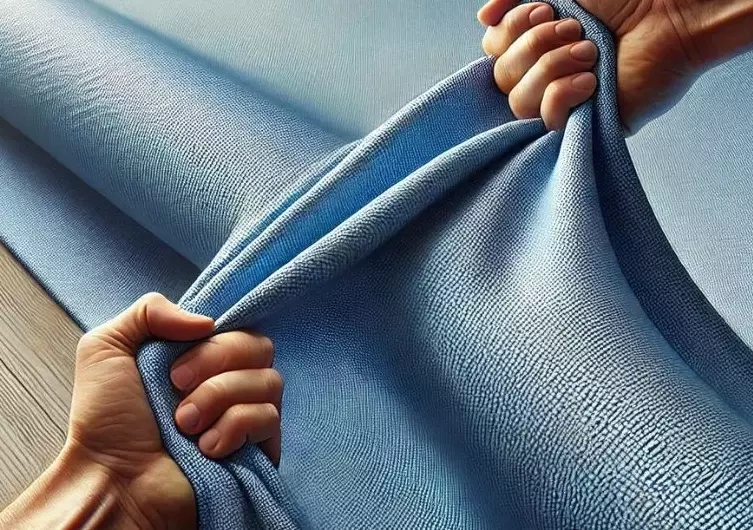
Personal take: I once made a dress with a cheap jersey that had minimal stretch. It looked great on the hanger, but after one wear, the seams puckered and the fabric bagged out. Lesson learned—always check the recovery rate, not just the stretch percentage.
The Main Types of Stretch Fabrics: A Breakdown
Let's get specific. Stretch fabrics fall into two broad categories: natural blends and synthetics. Each has its quirks, and picking the wrong one is a common pitfall.
Natural Stretch Fabrics: The Comfort Players
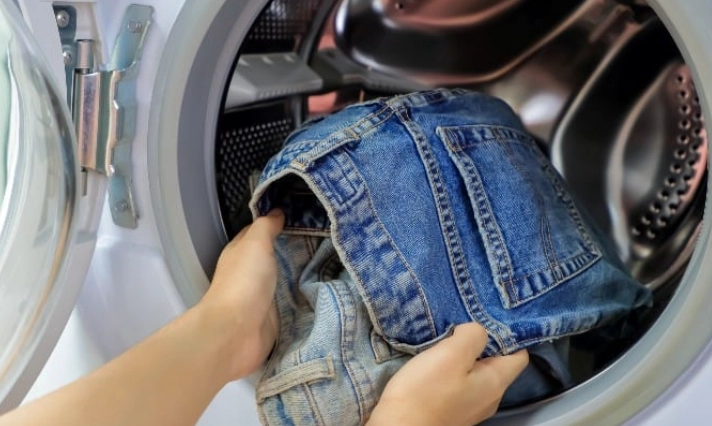
These include cotton-spandex blends, wool with elastane, and bamboo mixes. They're breathable and soft, perfect for casual wear. For example, a 95% cotton/5% spandex jersey is ideal for t-shirts—it stretches just enough without losing shape. But watch out: natural fibers can shrink. Pre-wash that fabric before you cut, or you'll end up with a toddler-sized garment.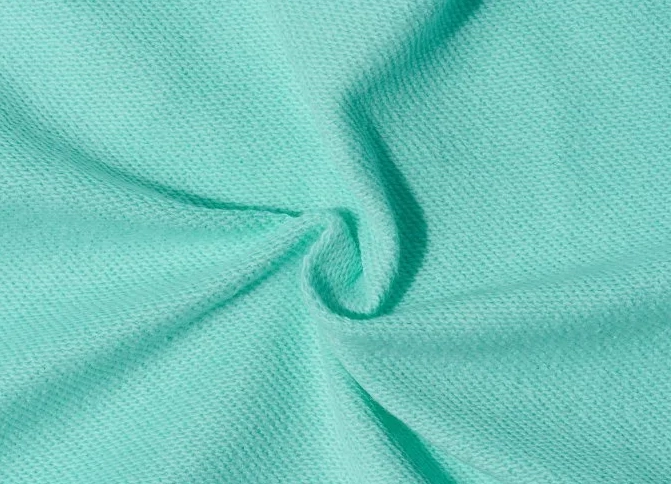
Synthetic Stretch Fabrics: The Performance Stars
Think polyester-spandex, nylon-Lycra blends. They're moisture-wicking, durable, and often used in activewear and swimwear. Brands like Lululemon rely on these for their leggings. A fabric like Supplex nylon with 10% Lycra offers four-way stretch, meaning it moves in all directions. But synthetics can be slippery to sew. I recommend using a walking foot on your sewing machine—it's a lifesaver.
| Fabric Type | Common Uses | Stretch Direction | Best For Beginners? |
|---|---|---|---|
| Cotton-Spandex Jersey | T-shirts, casual dresses | Two-way (horizontal) | Yes, easy to handle |
| Polyester-Spandex Knit | Activewear, leggings | Four-way (all directions) | Moderate, can be slippery |
| Wool-Elastane Blend | Blazers, tailored pants | Two-way (vertical) | No, requires advanced skills |
| Nylon-Lycra (Swim Fabric) | Swimsuits, dancewear | Four-way (high recovery) | Challenging, needs special needles |
Notice how the stretch direction affects the project? That's a detail many overlook. Two-way stretch is simpler for basic garments, while four-way demands more precision.
How to Choose the Right Stretch Fabric for Your Project
Choosing fabric isn't about grabbing the prettiest color. It's about matching the material to the garment's function. Ask yourself: what will this be used for? If it's for yoga, you need high recovery and moisture control. For a lounge set, comfort and softness win.
Here's a quick decision framework I use:
- Activity Level: High-intensity? Go for synthetics like polyester-spandex. Low-key? Cotton blends work.
- Fit: Tight-fitting items need four-way stretch. Loose fits can use two-way.
- Care: Check if the fabric requires special washing. Some synthetics hold odors if not cared for properly.
I made the mistake of using a cotton jersey for running shorts once. Bad idea—it soaked up sweat and stretched out permanently. Now I always refer to ASTM International standards for fabric performance when in doubt, especially for activewear.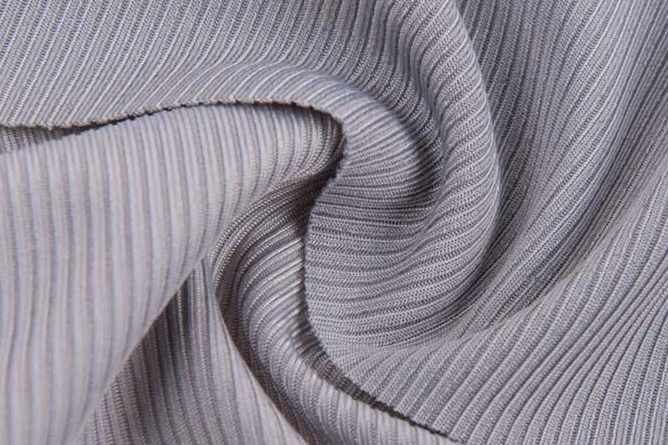
Sewing with Stretch Fabrics: Tips and Tricks from Experience
Sewing stretch fabric isn't hard if you know the tricks. Most people panic and use a straight stitch, which snaps when the fabric stretches. Don't do that.
Start with the right tools. Use a ballpoint or stretch needle—size 75/11 for light knits, 90/14 for heavier ones. Thread matters too: polyester thread has some give, unlike cotton. Set your machine to a zigzag stitch or a dedicated stretch stitch. If your machine has it, the lightning bolt stitch is gold for seams that need to flex.
Here's a step-by-step for a basic seam:
- Pin generously, but avoid stretching the fabric as you sew.
- Use a slightly longer stitch length (2.5-3mm) to prevent puckering.
- Test on a scrap first. I can't stress this enough—it saves so much frustration.
For hemming, a twin needle gives a professional finish on the right side, with stretch on the back. Or use a coverstitch machine if you have access. But if you're on a budget, a narrow zigzag hem works fine.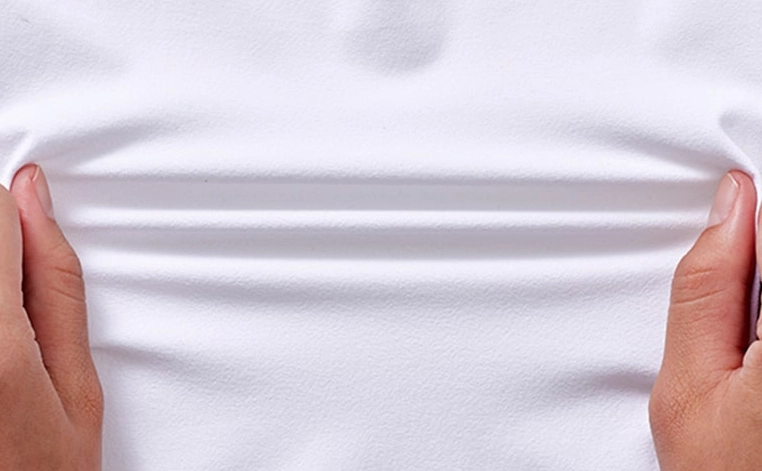
Pro tip: When sewing swimwear or activewear, consider using a woolly nylon thread in the bobbin. It adds elasticity and reduces seam breakage. I learned this from a costumer who works on Broadway—game-changer for durability.
Common Mistakes Everyone Makes (and How to Avoid Them)
We all mess up. Here are the top blunders I see, and how to dodge them.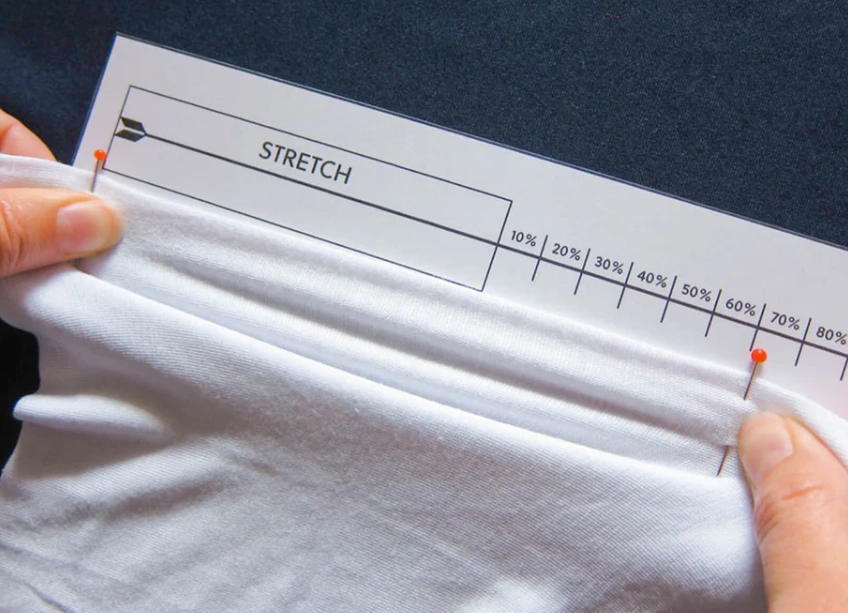
Mistake 1: Ignoring Grainline. Stretch fabrics have a grain, just like wovens. Cutting off-grain causes twisting. Always align the selvage or use the fabric's ribs as a guide.
Mistake 2: Skipping Pre-washing. Fabrics shrink, especially naturals. Wash and dry them as you plan to after sewing. Otherwise, that perfect fit will vanish.
Mistake 3: Using Wrong Interfacing. Regular interfacing doesn't stretch. Opt for knit or stretch interfacing for collars and cuffs. I ruined a shirt by using woven interfacing—it pulled and looked awful.
Mistake 4: Overstretching While Sewing. It's tempting to pull the fabric through the machine, but this distorts seams. Let the feed dogs do the work. If your machine struggles, adjust the presser foot pressure.
These might seem small, but they make or break a project. Take it slow, and you'll avoid most headaches.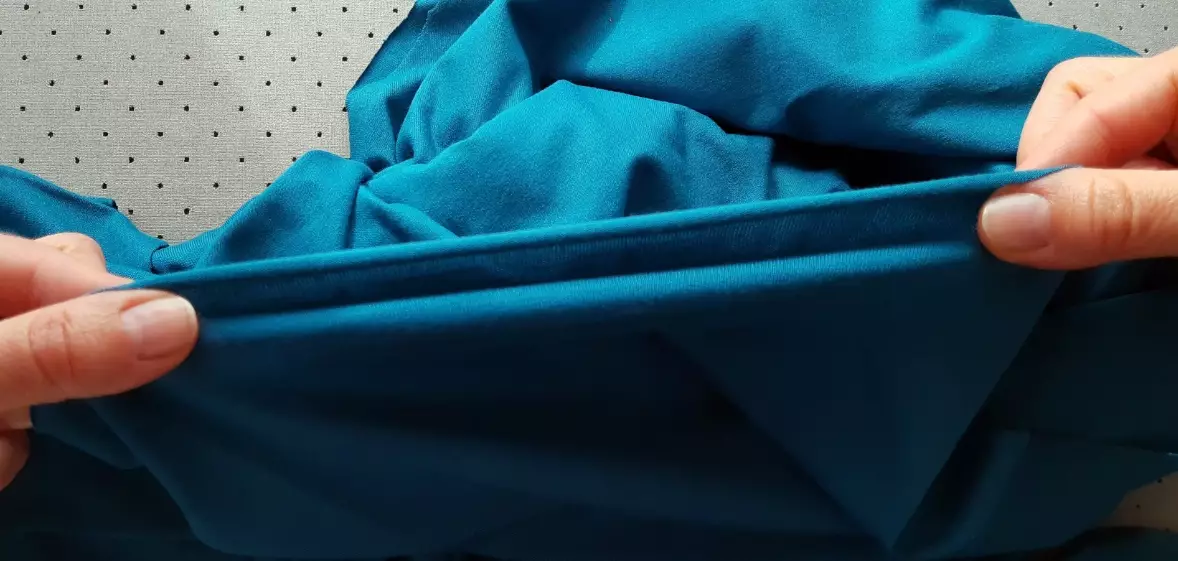
Your Stretch Fabric Questions Answered
Stretch fabrics open up a world of possibilities in sewing and fashion. They're forgiving for fit, versatile for styles, and essential for active lifestyles. But they demand respect—choose wisely, sew patiently, and care properly. Whether you're making leggings or a simple tee, this guide should give you the confidence to tackle any project. Remember, practice on scraps first, and don't be afraid to experiment. Happy sewing!