We've all been there. You pull your favorite cotton t-shirt or that perfectly fitted pair of jeans out of the dryer, only to find they've transformed into something meant for a smaller sibling. It's frustrating, it's wasteful, and it feels like a personal attack on your wardrobe. But here's the thing – clothes shrinking isn't some laundry gremlin's prank. It's basic physics and chemistry happening to the fibers in your garments. Understanding why clothes shrink is the first, crucial step to learning how to prevent it for good.
Let me tell you about my favorite navy blue cashmere blend sweater. I washed it once on a warm cycle, thinking "blend" meant it was tough. It came out fitting a large doll. That was a costly lesson. After years of talking to textile experts and ruining my own clothes in the name of research, I've learned that most common advice misses key points. For instance, many people think all shrinkage happens in the dryer. Not true. A significant amount, called "relaxation shrinkage," can happen in the wash alone, especially with hot water.
What You'll Learn
The Science Behind Fabric Shrinkage: It's Not Just Heat
Most people blame the dryer. While heat is a major player, it's only part of the story. Shrinkage primarily occurs through two mechanisms, and they affect natural and synthetic fibers differently.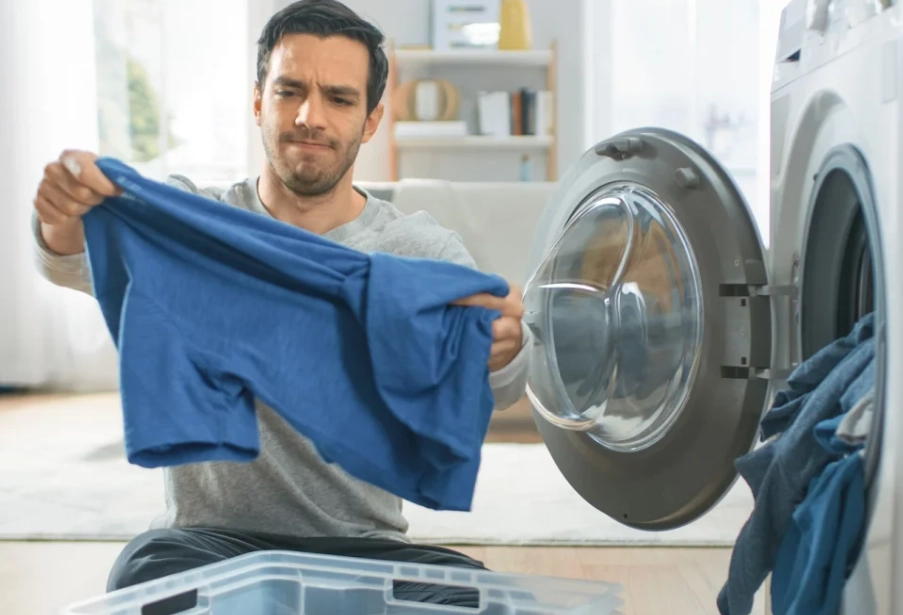
1. Felting (For Wool & Animal Fibers)
This is the irreversible one. Wool fibers have scales. Agitation (from your washing machine) combined with heat and moisture causes these scales to lock together permanently, like Velcro. The fabric becomes denser, thicker, and smaller. This is why your wool sweater can felt into a solid, unwearable mat. It's not just shrinking; it's changing structure completely.
2. Relaxation & Consolidation Shrinkage (For Cotton, Linen, Rayon)
This is where the real misunderstanding lies. When fabrics like cotton are manufactured, the fibers are stretched under tension during spinning, weaving, and finishing. Washing and drying releases that built-in tension, allowing the fibers to return to their natural, relaxed, and shorter state. Think of it like a stretched spring snapping back.
Consolidation shrinkage happens when the fibers themselves swell with water, then rub against each other during agitation, tangling and tightening the fabric's structure.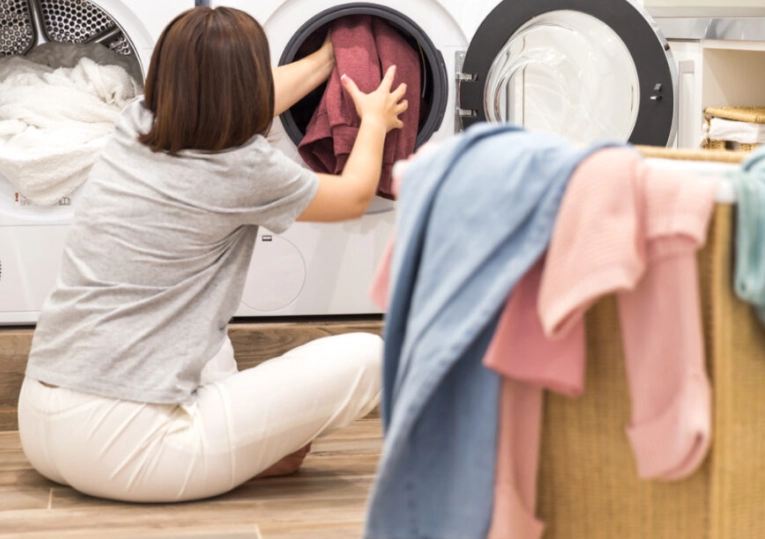
The Hot Water Myth-Buster: A common mistake is assuming warm water is always safe for "colorfast" cottons. Even if colors don't run, the heat directly accelerates the relaxation of fibers. Your dark jeans might stay dark, but they'll definitely get shorter and tighter if washed in hot water repeatedly.
Your Fabric-by-Fabric Shrinkage Guide
Not all fabrics are created equal. Here’s a breakdown of how the most common materials behave, so you can stop treating everything in your hamper the same way.
| Fabric Type | Shrinkage Risk | Primary Cause | Critical Care Note |
|---|---|---|---|
| Cotton | High (especially 100% cotton) | Relaxation shrinkage from heat & moisture. | Pre-washing fabric for sewing projects is non-negotiable. Expect 3-5% shrinkage, sometimes more. |
| Linen | High | Similar to cotton; relaxes significantly on first wash. | Often looks better slightly wrinkled and lived-in. Embrace its natural tendency to relax. |
| Wool | Very High (Felting Risk) | Agitation + heat + moisture causing scales to lock. | It's not the water temperature alone; it's the combination with movement. Hand-washing is king. |
| Silk | Moderate | Can weaken and distort with improper handling. | Heat damages the delicate fibers. Always use cool water and never wring it out. |
| Polyester, Nylon, Spandex | Low | Heat can melt or distort synthetic fibers. | While they resist relaxation shrinkage, high dryer heat can permanently scorch or melt elastane (spandex), killing the stretch. |
| Rayon (Viscose) | Very High | Extremely weak when wet, fibers contract easily. | This plant-based fabric is the most deceptive. Always dry clean or hand wash cold. The dryer is its enemy. |
See that note about rayon? I learned that the hard way with a beautiful viscose blouse. I tossed it in a gentle cycle and laid it flat to dry, thinking I was safe. It still shrank a full size. The water itself, not the dryer, was enough to trigger major shrinkage because the wet fibers have very little strength.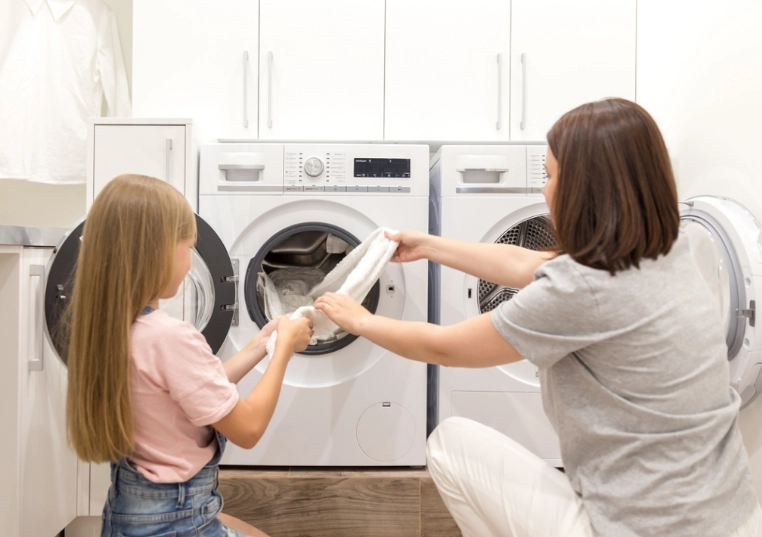
Actionable Tips to Prevent Clothes from Shrinking
Knowing the science is good. Applying it is better. This isn't about being fussy; it's about making your clothes last. Here’s your battle plan, from the moment you buy to the moment you store.
Step 1: Become a Label-Reading Expert
That little icon tag isn't a suggestion; it's the manufacturer's best-guess survival guide for that specific garment. The washing symbols tell you everything. A triangle with an "X" means no bleach. A circle means dry clean only. A square with a circle inside means tumble dry. Ignoring these is the fastest way to ruin clothes. Resources like the Federal Trade Commission's Care Labeling Rule outline why these labels exist, but in short, they're your first line of defense.
Step 2: Master the Wash Cycle
Cold water is your default. Modern detergents are formulated to work brilliantly in cold water. It saves energy, preserves colors, and most importantly, minimizes fiber relaxation. Reserve warm water for heavily soiled linens or towels.
Turn delicate items (sweaters, anything with lace or embellishments) inside out. This protects the outer surface from abrasion against the drum and other clothes.
Use a gentle or delicate cycle. The slower agitation reduces the mechanical action that causes felting and consolidation.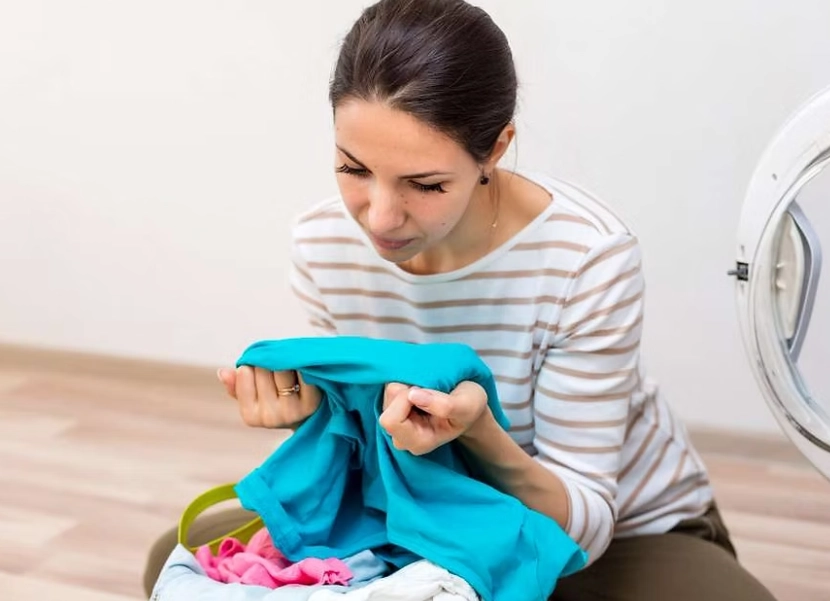
The Overloading Trap: Stuffing the machine might save time, but it creates more friction between garments (increasing consolidation shrinkage) and prevents proper rinsing, leaving detergent residues that can break down fibers over time.
Step 3: Rethink Your Drying Strategy
The dryer is the danger zone for heat-sensitive fabrics. Your new mantra: When in doubt, air dry.
For High-Risk Fabrics (Wool, Silk, Rayon, 100% Cotton): Always air dry flat on a clean towel or drying rack. Reshape the garment to its original dimensions while it's damp. Hanging heavy sweaters or knitwear can cause them to stretch out lengthwise under their own weight, creating a different kind of distortion.
For Medium-Risk Items: If you must use the dryer, use the lowest heat setting possible (often called "Air Fluff" or "No Heat"). Remove items while they are still slightly damp—this is key. The residual moisture allows you to smooth out any wrinkles and gives the fibers a more relaxed finish. Then let them finish drying flat or on a hanger.
Clean your dryer's lint filter every single load. A clogged filter reduces airflow, forcing the dryer to run longer and hotter to dry clothes, unnecessarily exposing them to more heat.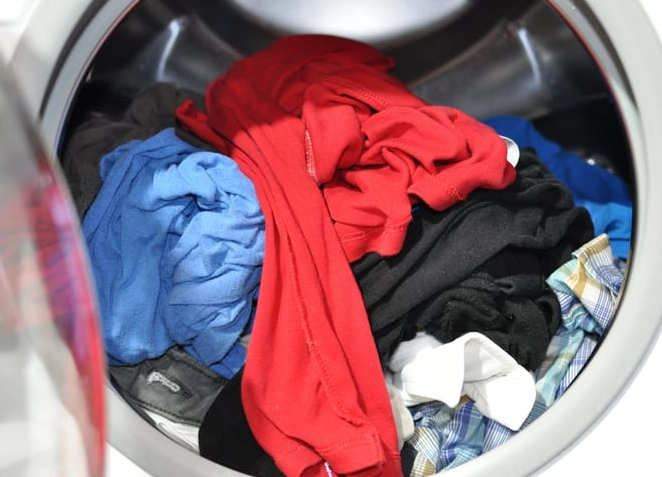
Can You Save Already Shrunken Clothes?
Maybe. It depends on the fabric and the type of shrinkage. Felting (wool) is permanent. Relaxation shrinkage in plant fibers sometimes has a workaround, but it's a gamble, not a guarantee.
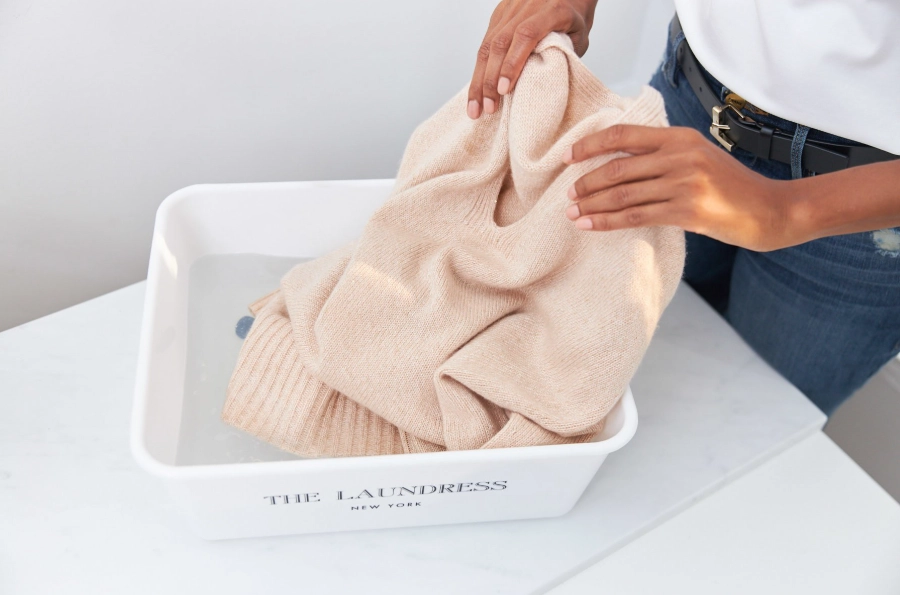
For Cotton, Linen, or Rayon: You can try to gently coax the fibers to stretch back. Fill a sink with lukewarm water and a generous amount of hair conditioner or a fabric softener. The conditioner acts as a fiber lubricant. Soak the shrunken garment for 30 minutes. Gently squeeze out water (don't rinse). Lay it flat on a thick towel. Now, slowly and patiently, start stretching the garment back to its original shape, working section by section. You're not yanking; you're applying steady, gentle pressure. Pin it to the towel in the stretched shape and let it air dry completely. Results vary, but you might recover some length and width.
This rarely works perfectly. The fabric often retains a slightly different hand feel. Consider it a last-ditch effort for a beloved item before relegating it to pajama or donation status.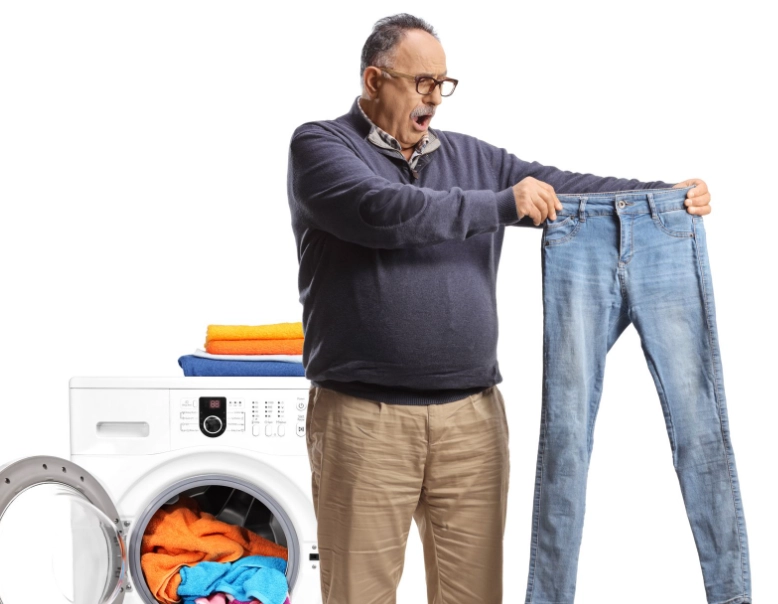
Your Laundry Shrinkage Questions, Answered
Ultimately, preventing clothes from shrinking isn't about one magic trick. It's a system: read the label, wash in cold water on gentle, and remove heat from the drying equation whenever you can. Treat your clothes according to their fabric, not just their color. It takes a minute more of thought, but it saves money, reduces waste, and keeps your favorite pieces in rotation for years. Your wardrobe will thank you.