Let's cut to the chase. The warmest fabrics for winter aren't just about thickness. They're about physics—how well they trap your body heat and block the wind. After years of testing everything from cheap synthetics to luxury cashmere on hikes and city commutes, I've learned that picking the right fabric is the difference between being cozy and being miserable. This guide breaks down not just what keeps you warm, but how, and more importantly, how to choose and care for them without falling for marketing hype.
Your Quick Warmth Guide
How Fabric Warmth Actually Works (It's Not Magic)
Forget the idea that heavy equals warm. The real champions work by creating a stable layer of still air around your body. Your body heats this air, and the fabric's job is to keep it from escaping. Two main factors do this:
Insulation (Loft): This is the fabric's ability to trap air. Think of a fluffy down jacket versus a thin cotton tee. More loft equals more trapped air, which equals better insulation. Fibers with crimps, curls, or hollow structures are masters of this.
Thermal Resistance: This is the fabric's innate ability to resist heat transfer. Wool, for instance, has high thermal resistance—it doesn't readily absorb cold from the outside or let your warmth seep out.
Wind resistance and moisture management are the supporting actors. A fabric can be incredibly lofty, but if wind blows right through it, that warm air layer is gone. Similarly, if you sweat and that moisture sits against your skin (like cotton does), it will conduct heat away from your body, making you feel chilled. The best winter fabrics balance all three: insulation, wind blocking, and wicking.
Top Natural Contenders for Extreme Warmth
Nature has engineered some incredible insulators. Here’s how the top performers stack up.
1. Down (Goose or Duck)
Down is the gold standard for pure, lightweight insulation. It's the fluffy undercoating from waterfowl, made up of millions of interlocking filaments that create immense loft. The key metric here is fill power (e.g., 550, 700, 900). A higher fill power means the down clusters loft more with less weight. A 900-fill-power jacket will be warmer and lighter than a 550-fill one of the same size.
But down has a critical flaw: it loses all insulating power when wet. That’s where down treatments like Nikwax Hydrophobic Down come in. They help the down resist moisture, but it's still not a good choice for wet, slushy conditions. I learned this the hard way during a damp winter hike—my premium down jacket became a cold, heavy sack.
2. Wool (Especially Merino & Shetland)
Wool is the all-rounder. Its fibers are crimped, creating natural loft, and they have a scaly outer layer that repels light moisture (like snow). The real magic is wool's ability to retain heat even when damp. Merino wool, from Merino sheep, is the superstar—fine, soft, and non-itchy, perfect for base layers. Shetland wool is coarser but incredibly dense and wind-resistant, ideal for heavy sweaters.
A common mistake is assuming all wool is scratchy. Lower-quality, coarser wools are. Investing in a high-grade Merino wool base layer (look for a micron count under 19.5 for softness) is a game-changer for all-day warmth without bulk.
3. Cashmere
Cashmere comes from the undercoat of Kashmir goats. It's about three times more insulating than sheep's wool by weight because the fibers are finer and can be woven more densely. The warmth-to-weight ratio is exceptional. A thin cashmere sweater can rival a thick wool one.
The downside? Durability and price. Cheap cashmere pills and wears out fast. Real, durable cashmere is an investment. And like wool, its warmth plummets if it's soaked through, though it will still perform better than cotton.
Expert Tip: Don't just buy "wool." Look for the type. A 100% Merino wool beanie will be warm and comfortable. A generic "wool blend" hat might be itchy and less effective. For socks, a blend with some nylon (like 80% Merino, 20% Nylon) adds durability without sacrificing much warmth.
Synthetic & Technical Power Players
These are the engineered solutions, designed to solve natural materials' weaknesses.
High-Loft Insulation (Primaloft, Thinsulate, Coreloft)
These are the down alternatives. Made from fine polyester fibers engineered to mimic down's loft, they are the kings of wet-weather warmth. Even when soaked, they retain most of their insulating properties because the synthetic fibers don't clump together. Primaloft Gold, for example, was developed for the U.S. Army and is remarkably warm and packable.
They are often used in jackets, gloves, and boot liners. The trade-off? They can be slightly heavier and less compressible than high-end down for the same warmth level, and they may lose loft over many years of compression.
Fleece (Polartec)
Fleece is essentially plastic (polyester) brushed into a napped surface. It's fantastic at trapping air and wicking moisture, making it perfect for mid-layers. Not all fleece is equal. Polartec is a brand that makes high-performance grades—Polartec Thermal Pro is incredibly warm and breathable, while Polartec Power Grid is lightweight and highly breathable for high-output activities.
The main drawback of fleece is that it offers zero wind resistance on its own. You always need a windproof or waterproof shell over it in harsh conditions.
Heavyweight, Brushed-Back Fabrics (Flannel, Sherpa, French Terry)
These are cotton or cotton-blend fabrics treated to have a soft, brushed interior that traps air. A heavyweight, brushed flannel shirt or a Sherpa-lined hoodie feels immediately cozy. However, their warmth is situational. They are great for dry, cold indoor settings or casual outdoor use in mild cold. In truly wet or windy winter weather, they fail quickly because cotton holds moisture.
Side-by-Side: Warmest Fabrics Compared
| Fabric | Best For | Warmth When Dry | Warmth When Wet | Key Consideration |
|---|---|---|---|---|
| Down (High Fill) | Extreme dry cold, lightweight packing | Exceptional | Very Poor | Fill power (700+), ethical sourcing (RDS certified) |
| Merino Wool | Base layers, all-day wear, temperature regulation | Very Good | Good | Micron count for softness, wool weight (e.g., 200gsm) |
| Cashmere | Luxury lightweight warmth, dressier items | Exceptional (by weight) | Fair | Ply (2-ply is more durable), country of origin |
| Primaloft (Gold/Silver) | Wet & cold climates, humid winters | Excellent | Excellent | Often blended with other fibers for durability |
| Heavy Fleece (Polartec Thermal Pro) | Active mid-layer, breathable warmth | Very Good | Good | Needs a windproof shell in high wind |
| Shetland/Wool Melton | Wind-resistant outer layers, classic coats | Excellent | Good | Can be heavy, may require professional cleaning |
How to Choose the Right Fabric for Your Winter
Your location and activity dictate the fabric. Here’s a real-world breakdown:
Scenario 1: The Dry, Bitterly Cold City Winter (-10°C/14°F and below, dry)
This is down's territory. A long parka with 700+ fill power down, a windproof shell (like a tightly woven nylon), and a Merino wool base layer is the ultimate combo. Add wool trousers or fleece-lined pants.
Scenario 2: The Damp, Slushy Winter (Around freezing, rain/snow mix)
Synthetics win here. A shell jacket with Primaloft or similar synthetic insulation, a fleece mid-layer, and a Merino wool base layer. Avoid down as your primary insulator unless it's highly water-resistant and you have a superb waterproof shell.
Scenario 3: Active Winter (Skiing, hiking, snowshoeing)
Think layers and moisture management. Merino or synthetic base layer (to wick sweat), a breathable fleece or lightweight synthetic insulated mid-layer (for warmth), and a waterproof/windproof but breathable shell (like Gore-Tex). Avoid cotton entirely.
Care Tips That Preserve Warmth (Don't Ruin It)
Wrong care destroys a fabric's insulating properties.
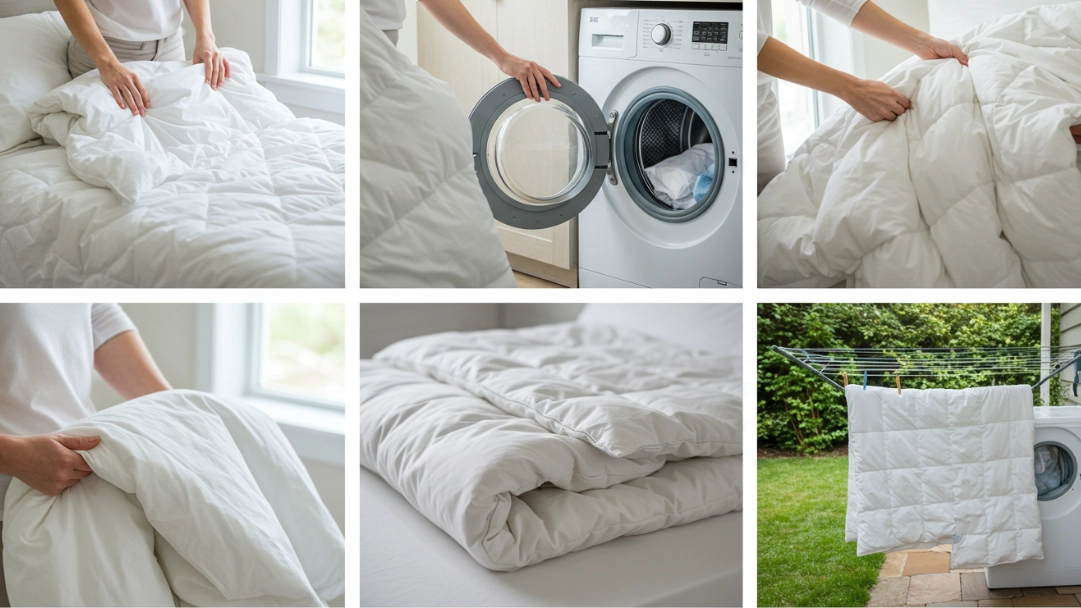
Down: Wash infrequently with a down-specific detergent (like Nikwax Down Wash). Regular detergent strips natural oils and can ruin the loft. Tumble dry on low with tennis balls to break up clumps. Never store it compressed—hang it in a closet.
Wool & Cashmere: Hand wash in cool water with wool wash. Never wring or twist. Lay flat to dry on a towel, reshaping it. Heat and agitation cause felting and shrinkage, permanently damaging the fibers and reducing loft.
Synthetic Insulation & Fleece: Machine wash gentle, tumble dry low. Avoid fabric softener—it coats the fibers and reduces their ability to wick moisture and trap air.
Your Winter Fabric Questions, Answered
Is cashmere warmer than wool?
Pound for pound, yes, cashmere is generally warmer than standard sheep's wool because its fibers are finer and can trap more air in a denser weave. However, a thick, heavyweight Shetland wool sweater will be warmer overall than a thin cashmere one. It's about the garment's total weight and construction, not just the fiber.
Why do I feel cold in my puffy jacket sometimes?
You're likely wearing it wrong. A puffy jacket needs to trap a layer of warm air. If you wear it over a bulky sweater, there's no space for that air layer to form. The warmest system is a snug (not tight) base layer, a light mid-layer like thin fleece, and then the puffy jacket. Also, ensure your core is warm first—a cold core pulls heat from your extremities.
What's the biggest mistake people make with winter fabrics?
Using cotton as a base layer. A cotton t-shirt under a winter coat is a recipe for feeling chilled. As soon as you sweat or encounter moisture, cotton holds it against your skin, rapidly cooling you down. Swap it for Merino wool or a synthetic moisture-wicking fabric, and you'll notice an immediate difference.
Are expensive down jackets worth it?
It depends on the fill power and construction. A $200 jacket with 550-fill down is a decent value. A $600 jacket with 900-fill, responsibly sourced down, and a superior, durable shell fabric offers significantly more warmth for its weight and better longevity. For occasional use, the former is fine. For daily wear in severe cold or backpacking where weight matters, the investment pays off.
Can you layer different insulating fabrics?
Absolutely, that's the key to versatile warmth. A classic high-performance system is a Merino wool base layer (manages moisture), a thin fleece or synthetic insulated vest (adds core warmth), and a windproof/waterproof shell. This lets you add or remove layers as your activity level and the weather change.