What You'll Discover in This Guide
If you're serious about performance and comfort, you've likely hit a wall with synthetic activewear. That polyester shirt that felt great in the store turns into a smelly, damp mess halfway through a hike. Your nylon leggings are warm on the trail but feel like a sauna the moment you stop moving. There's a better way, and it comes from a surprisingly ancient source: merino wool. Forget everything you think you know about itchy, heavy wool sweaters. Merino wool for activewear is a different beast entirely, and once you try it, going back feels almost impossible. I made the switch five years ago after a miserable, sweat-soaked backpacking trip, and it fundamentally changed how I dress for any activity.
The Core Advantages at a Glance
Before we dive deep, here's what sets merino apart. It's not about one magic trick, but a combination of properties that work together:
- Temperature Regulation: Keeps you cool when it's hot, warm when it's cold. It's a natural thermostat.
- Superior Moisture Management: Wicks sweat away and retains warmth even when wet, unlike cotton which just gets cold and heavy.
- Natural Odor Resistance: You can wear it for multiple active days without it developing that locker-room stench. This is a game-changer for travel or multi-day trips.
- Incredible Softness & Comfort: Merino fibers are much finer than traditional wool, eliminating the itch factor against your skin.
- UV Protection & Fire Resistance: Natural benefits you don't get with standard synthetics.
What Makes Merino Wool So Special for Athletes?
The magic starts with the sheep. Merino sheep, primarily bred in places like New Zealand and Australia, produce an incredibly fine fiber. We're talking diameters as low as 15-17 microns (a human hair is about 75 microns). This fineness is the root of its softness. But the structure of the fiber itself is where the engineering happens.
The Science of Staying Dry and Comfortable
Merino wool fibers are hygroscopic. Fancy word, simple idea: they absorb moisture vapor (sweat) from your skin and release it into the air. A merino shirt can absorb up to 30% of its weight in moisture before it feels damp, while polyester might feel wet at just 5-7%. This absorption process actually generates a tiny amount of heat, which is why you stay warm in damp conditions. When it's hot, that same evaporation process has a cooling effect.
I learned this the hard way on a coastal hike. A synthetic baselayer left me chilled during a windy lunch break. The next day, in a merino top, I was damp with sweat but remained comfortably warm when we stopped. The difference was night and day.
Why It Doesn't Stink (Seriously)
The odor resistance isn't a marketing gimmick; it's chemistry. Bacteria that cause body odor thrive on the fatty acids in your sweat. Merino wool fibers have a scaly outer layer that traps these odor-causing compounds, locking them away until you wash the garment. Synthetic fibers, with their smooth surfaces, have no such mechanism. Bacteria build up rapidly, leading to that permanent funk some polyester shirts never seem to lose, even after washing. For multi-day backpacking or business travel with limited laundry, this is merino's killer feature.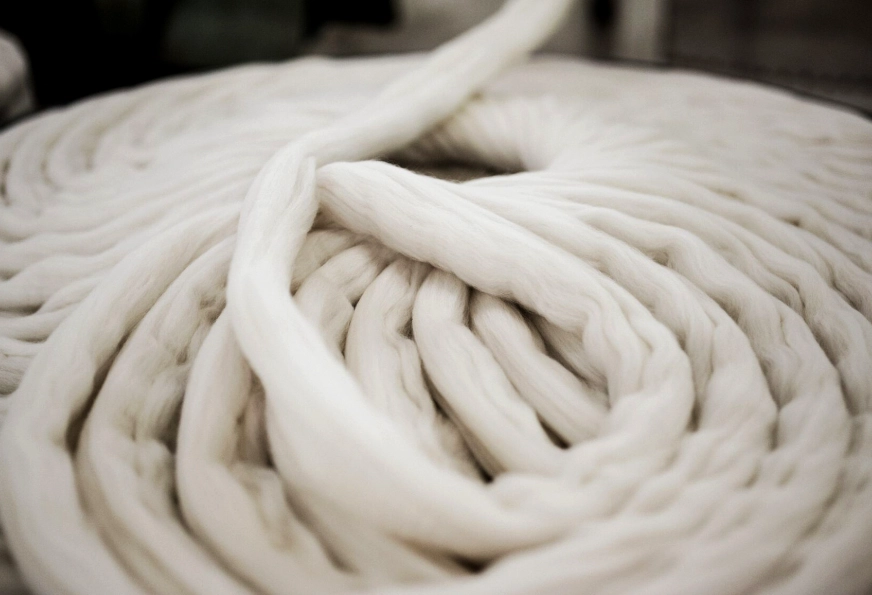
Merino Wool vs. Synthetic Fabrics: A Detailed Comparison
Let's get practical. Is merino always better? No. But for core comfort properties, it often wins. Here’s a breakdown.
| Feature | Merino Wool | Typical Synthetic (Polyester/Nylon) |
|---|---|---|
| Temperature Regulation | Excellent. Adapts to a wide range of temperatures naturally. | Good at wicking, but poor insulation when wet. Can overheat in static situations. |
| Odor Resistance | Superior. Can be worn for multiple days without noticeable odor. | Poor. Requires antimicrobial treatments which wash out over time. |
| Moisture Management | Excellent. Absorbs and releases moisture, feels warm even when damp. | Good at wicking, but feels cold and clammy when saturated. |
| Durability & Abrasion Resistance | Good, but requires care. Can pill or develop holes from backpack straps or rough surfaces. | Excellent. Highly resistant to abrasion and tearing. |
| Drying Time | Moderate. Takes longer to dry than thin synthetics. | Excellent. Very fast-drying, especially in thin weaves. |
| Environmental Impact | Biodegradable, renewable resource. But concerns over animal welfare and land use exist. | Derived from petroleum, sheds microplastics, not biodegradable. But highly durable. |
| Feel Against Skin | Naturally soft, non-itchy (in high-quality grades). Feels like a premium fabric. | Varies. Can feel plasticky, clammy, or cause chafing for some. |
The table tells a clear story. For base layers, socks, and next-to-skin items where comfort, temperature management, and odor are paramount, merino dominates. For outer layers, abrasion-prone areas like hiking pants knees, or situations where ultralight fast-drying is the sole priority (like rain shells), synthetics still have a strong place. The smart move is often a blend or a strategic mix in your kit.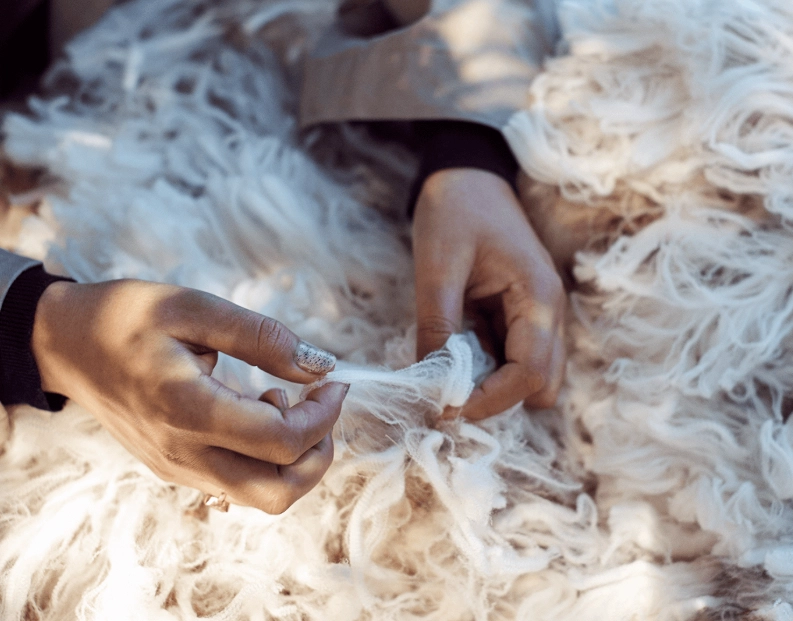
Debunking Common Misconceptions About Wool
"Wool is itchy." This is the biggest barrier. It's true for old-school coarse wool. High-quality merino used in activewear (often labeled 17.5 or 18.5 micron) is profoundly soft. If you've tried a cheap "wool blend" scarf and been put off, you haven't tried real, fine-gauge merino.
"It's only for cold weather." Wrong. Its moisture-wicking and cooling evaporation make it fantastic for hot climates. Many runners and desert hikers swear by lightweight merino for sun protection and sweat management.
"It's delicate and hard to care for." Not really. Modern merino is surprisingly resilient. The main rule: avoid high-heat drying and aggressive agitation. Treat it like you would a nice piece of clothing, not a rag.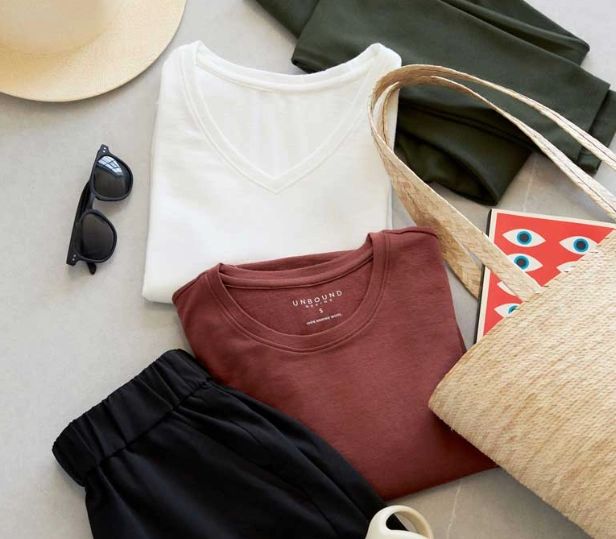
How to Choose Your First Piece of Merino Activewear
Ready to try it? Start small and strategic.
First Purchase Recommendation: A lightweight (150gsm or less) merino wool t-shirt or baselayer. This is the most versatile piece. You can run, hike, travel, or lounge in it. It will showcase the odor resistance and comfort most clearly.
Weight Matters:
- Ultralight (120-150 gsm): Perfect for high-intensity summer activities, running, and travel.
- Midweight (180-200 gsm): The all-rounder for three-season hiking, cycling, and daily wear in cooler climates.
- Heavyweight (250+ gsm): For cold-weather static activities or as a standalone winter layer.
Fit: Merino works best with a close-to-body fit for effective moisture transfer. A baggy merino shirt won't wick as well. Look for panels or blends that include a small percentage of elastane for added stretch and mobility.
Brands to Look For: Companies like Icebreaker, Smartwool, and Wool& are pioneers. Patagonia and Arc'teryx also offer excellent merino blends. For a more budget-friendly entry, check sales from REI or Backcountry. The key is to check the micron count—lower is softer.
The Right Way to Care for Merino Wool
Treat it well, and it will last for years. Here's the simple routine:
- Wash Less: Thanks to its odor resistance, you often just need to air it out. Spot clean if possible.
- Use Cold Water & Gentle Cycle: Always. Hot water is the enemy, causing shrinkage and felting.
- Choose a Wool-Specific Detergent: Regular detergents can be too harsh. Use something like Woolite or Eucalan.
- Air Dry Flat: Never, ever put it in the dryer. The tumbling and heat will destroy it. Lay it flat on a towel, reshape it, and let it dry away from direct heat.
- Storage: Store it clean and dry. Cedar blocks are better than mothballs.
If it pills (those little fabric balls), use a fabric shaver or a gentle razor. It's normal, especially in high-friction areas, and doesn't mean the garment is ruined.