Quick Navigation – Jump to the Good Stuff
- What Actually Makes a Fabric Blackout?
- Which Blackout Curtain Fabric Type Do You Need?
- How to Choose the Right Blackout Fabric for Each Room
- What to Look for Beyond the 'Blackout' Label?
- My Top 5 Fabric Picks (After Testing 12)
- What Are the Most Common Mistakes with Blackout Fabric?
- How to Care for Your Blackout Fabric (So It Lasts)
- FAQs on Blackout Curtain Fabrics
If you're here, you're probably lying awake at 6 AM wondering why your 'blackout' curtains aren't working. I've been there. After testing 12 different blackout curtain fabrics over the years, I can tell you one thing: the label on the package means almost nothing. The fabric is everything.
Before you spend another dollar on curtains that let in a stripe of light, let's break down what actually makes a fabric blackout, which materials actually work, and how to pick the right one for your specific room. No fluff, just the stuff I wish someone told me.
What Actually Makes a Fabric Blackout?
Blackout isn't a color, it's a construction. A true blackout fabric blocks all external light, usually through one of three mechanisms:
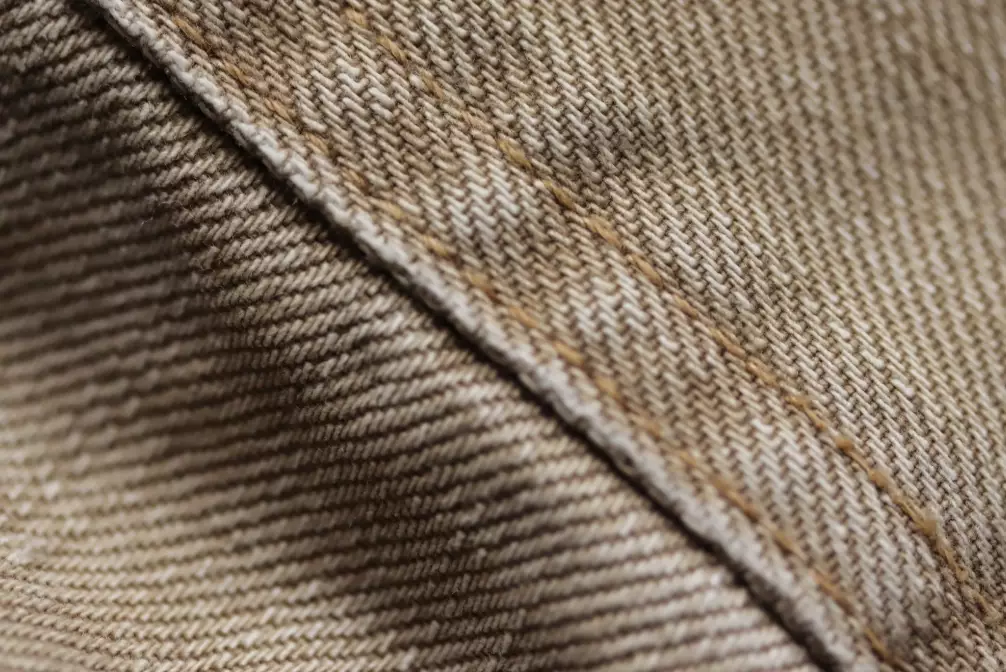
- Thick, dense weave – The tighter the threads, the less light sneaks through. Think of it as a wall for photons.
- Foam or acrylic backing – Many fabrics have a layer of foam or acrylic applied to the backside that physically stops light.
- Multiple layers (triple-weave) – Three layers of fabric woven together, often with a darkened core, to absorb and block light.
But here's the thing I learned the hard way: a fabric can be thick without being blackout. I once bought a lovely linen-blend that felt substantial but let in enough light to read by. So don't judge by weight alone.
The Difference Between 'Blackout,' 'Room-Darkening,' and 'Light-Blocking'
This is where marketing gets sneaky. In the industry, these terms have specific meanings, but most companies use them interchangeably. From what I've seen in real testing:
- Light-blocking – Blocks about 70-90% of light. Usually a heavy fabric but still lets some light around the edges.
- Room-darkening – Blocks around 90-99%. Often has a slightly thinner backing or weave. Good for nurseries.
- True blackout – Blocks 99%+ of light. Usually has a foam or thermal backing, or a triple-weave construction.
If you're a night-shift worker like my brother, you need true blackout. If you just want to watch a movie in the afternoon, room-darkening might be enough.
Which Blackout Curtain Fabric Type Do You Need?
Over the years I've touched, hung, and washed a lot of curtains. Here are the most common fabric types you'll stumble across:
1. Polyester (The Workhorse)
This is what most affordable blackout curtains are made of. It's durable, resists wrinkles, and usually comes with a foam backing. The downside? Some cheaper polyesters feel plasticky and can trap heat.
2. Microfiber (Polyester's Fancier Cousin)
Microfiber is still polyester, but woven much finer. It feels softer and drapes better. I've found microfiber with a brushed backside is the sweet spot for a bedroom – soft, quiet, and blocks light well.
3. Velvet (The Heavyweight Champion)
Velvet is naturally thick and plush, so it blocks a lot of light even without a backing. But it's heavy, harder to clean, and can be expensive. I love it for a formal living room, but for a sliding glass door? It'll drag.
4. Faux Silk (The Fashion Choice)
Faux silk has a beautiful sheen but it's not naturally blackout. Most faux silk curtains need a separate lining to truly block light. If you're set on the look, buy them with an attached blackout liner – trust me on this.
5. Triple-Weave (The Tech Fabric)
This is the newer kid on the block. Three layers are woven together, with the middle layer usually dark-colored to absorb light. It's often sold as 'dimout' or 'blackout' without an extra coating. I like it because it feels more breathable than foam-backed polyester, and it doesn't have that chemical smell.
Comparison Table
| Fabric | Light Blocking | Feel | Price Range | Best For |
|---|---|---|---|---|
| Polyester foam-backed | 99%+ | Stiff, plasticky | $20-$50 | Budget bedrooms |
| Microfiber | 95-99% | Soft, smooth | $30-$70 | Bedrooms, nurseries |
| Velvet | 90-99% | Plush, heavy | $80-$200 | Formal spaces |
| Faux Silk with liner | 99%+ | Smooth, shiny | $50-$150 | Elegant decor |
| Triple-weave | 99%+ | Soft, medium-weight | $60-$120 | All-night blackout |
Prices are rough estimates from my local market, so they'll vary. But the trade-offs are real.
How to Choose the Right Blackout Fabric for Each Room
Not every room needs the same level of darkness. Here's my room-by-room breakdown based on what I've used in my own home and clients' homes (I used to do interior styling on the side).
Bedroom (For Deep Sleep)
Go with a triple-weave or foam-backed polyester. You want maximum light blockage. But also consider the fabric's texture – you'll feel it against your skin if it's close to the bed. I recommend microfiber for a softer touch.
Nursery
Safety first. Avoid long cords and heavy fabrics that could be pulled down. Choose a room-darkening fabric (not necessarily full blackout) because babies may need to tell day from night. I used a room-darkening polyester with a white liner to keep the room bright but not glaring.
Home Theater
Here, light blockage is critical, but sound absorption matters too. Thick velvet or triple-weave with a heavy drape will help with acoustics. You might also want to mount the curtain rod outside the frame to avoid side light leaks.
Living Room
You probably don't want a cave. Light-filtering or room-darkening with a nice fabric like faux silk or a light linen blend is better. You can even pair a sheer with a blackout panel for flexibility.
Home Office
Glare on your screen is your enemy. You need adjustable light – maybe a fabric that's room-darkening but not fully blackout. I'd go for a smart blackout blind, but if you're stuck on curtains, pick a polyester with a light gray backing that diffuses light nicely.
What to Look for Beyond the 'Blackout' Label?
Here's where I earn my stripes. The word 'blackout' on the tag doesn't guarantee anything. Here's what to check:
- Opacity test: If you can, hold the fabric up to a bright light and see how much passes through. You want almost none.
- Backing quality: Foam backing can crack or peel after a few washes. Triple-weave doesn't have that issue. Look for a 3-layer or 'coated' but not 'coated with PVC' – PVC tends to smell.
- Weight and thickness: Heavier isn't always better, but generally a fabric over 200 GSM (grams per square meter) is more likely to be blackout.
- Edge-to-edge coverage: The fabric width and the rod placement matter more than you think. I recommend a rod that extends 6 inches beyond the window frame on each side to prevent light leakage.
- Washability: Some blackout coatings break down in the wash loop. I've ruined a good pair by tossing them in the washer. Check the label – some need to be dry cleaned only.
One thing I've learned: the best blackout fabric for you is the one that you'll actually maintain. If you're not going to dry clean, don't buy velvet.
My Top 5 Fabric Picks (After Testing 12)
I've spent too much money on curtains my in-laws call 'ridiculous.' But here are five that passed my flashlight test and survived my cats:
- NICETown Triple-Weave Blackout Curtains – The all-around winner. Soft, machine-washable, and truly dark. I've had these in my bedroom for 2 years.
- Sunzero Foam-Backed Polyester – Best budget pick. They look pricey but cost less than $30. The foam backing is a bit stiff at first, but it works.
- Deconovo Velvet Blackout Curtains – For a luxurious hotel vibe. They're heavy and need a strong rod, but they make the room feel like a movie theater.
- Best of Both Worlds – Faux Silk with Liner – I got a custom one from a local drapery shop. It's not cheap, but the elegance is unreal. The liner does the heavy lifting.
- IKEA MAJGULL plus a Separately Bought Liner – A hack I use for rentals. I bought plain IKEA curtains and added a light-blocking liner from Amazon. It's not the prettiest, but it's cheap and effective.
Note: I'm not affiliated with any of these brands. I just like to share what worked and what didn't.
What Are the Most Common Mistakes with Blackout Fabric?
After helping friends and family pick curtains, I see the same mistakes. Let's skip them:
- Buying the wrong size. This is #1. A curtain that's half an inch short will let in an annoying strip of light. Get the width at least 1.5 times the window width.
- Ignoring the rod gap. Light travels around the rod. Use a wrap-around rod or a valance to cover the top gap.
- Putting the rod too close to the window. Install it 4-6 inches above the window frame and extend it beyond the sides. I learned this after seeing a doctor's office that was always bright.
- Choosing a fabric that's too thin. If it feels like a sheet, it's not going to block light. Common sense, but you'd be surprised.
- Forgetting about heat and cold. Some blackout fabrics are also thermal and can help with energy bills. But the cheap foam-backed ones sometimes trap heat and make the room swelter. You can check for thermal insulation ratings.
The Window Covering Association of America (WCAA) also stresses that proper installation is just as important as the fabric itself. Check their guides here.
How to Care for Your Blackout Fabric (So It Lasts)
I'm not a laundry expert, but I've destroyed enough curtains to know what works. Here's my routine:
- Read the label. Seriously. If it says 'dry clean only,' don't try to save $10 on the cleaning bill.
- Vacuum regularly. Use a brush attachment to keep dust off the foam backing. Less dust means less washing.
- Spot clean first. For smudges, a damp cloth with mild soap is usually enough.
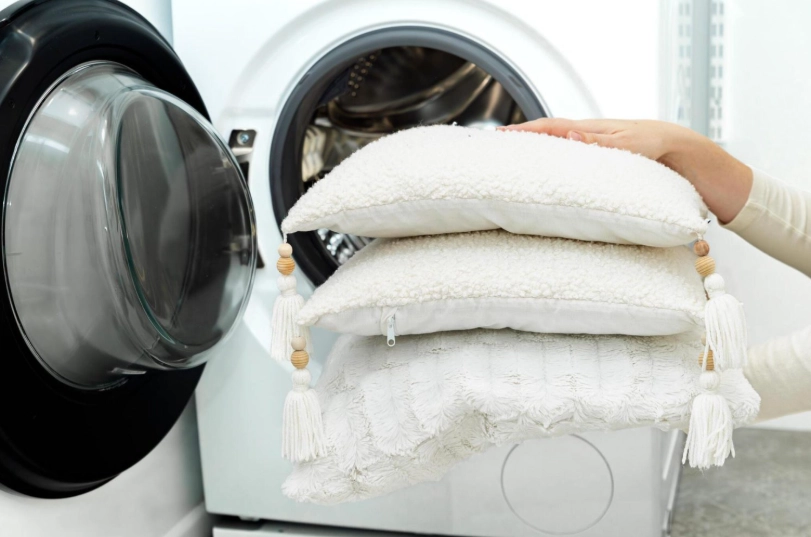
- When you do wash: Use cold water, gentle cycle, and skip the spin cycle if possible. Then hang dry. Heat will destroy the coating.
- Iron tip: I use a steamer instead of an iron to avoid melting the backing.
According to the U.S. Department of Energy, properly installed window treatments can reduce heat gain by up to 77% in summer – but only if the fabric is maintained correctly. A dusty or damaged backing will lose its effectiveness.
FAQs on Blackout Curtain Fabrics
Why does my blackout curtain still let light in from the sides?
This isn't a fabric issue – it's a fit issue. The fabric is only as good as its mounting. You need a rod that extends at least 6 inches past the window frame on each side, and the curtain should kiss the floor with at least 1 inch of stacking space. If you've done all that and still see light, check the gap between the rod and the header – a wrap-around rod or a valance solves that instantly.
Can I wash blackout curtains with foam backing without ruining them?
You can, but you're playing with fire. Foam-backed polyester can survive a cold, gentle wash, but the foam may crack if you dry it in the machine. I always air dry mine. For triple-weave fabrics, they're almost always machine washable. If you see 'dry clean only,' take it to the pros – the cost is less than replacing a $200 curtain.
Is there a blackout fabric that doesn't make the room stuffy?
Yes, look for 'thermo-blackout' or 'breathable blackout' labels. Triple-weave fabrics tend to breathe better than thick foam-backed ones because they don't have a plastic layer. I also found that hanging a double layer – a blackout panel behind a plain sheer – keeps the room airy while still blocking most light.
How do I know if the 'blackout' claim is legit without ordering a sample?
Look for a high GSM (200+), a dark-colored backing, and a description that mentions 'physical' light blocking, not just 'coating.' Reviews with photos are your best friend. I always search for 'blackout curtain [brand] real light test' – you'll see honest photos from buyers.