Let's cut through the noise. You're not just looking for an apron fabric; you're searching for the fabric that fits your specific mess, your style, and how you move. The "best" apron material isn't a one-size-fits-all answer found in a generic list. After years of sewing everything from home kitchen aprons to heavy-duty workshop gear, I've learned that the perfect choice lives at the intersection of your task, your environment, and a few often-overlooked details most guides skip. Picking wrong means an apron that's too hot, stains permanently, or falls apart after a few washes. We're going to fix that.
Your Quick Fabric Finder
The Great Apron Fabric Showdown: A Side-by-Side Comparison
Forget vague descriptions. Here’s the raw data and real-world performance of the top contenders. This table is your cheat sheet.
| Fabric | Best For | Durability | Absorbency | Feel & Comfort | Key Watch-Out |
|---|---|---|---|---|---|
| Heavyweight Cotton (Canvas/Duck) | Kitchen, gardening, light workshop. | Excellent. Tight weave resists snags. | High. Soaks up spills well. | Stiff at first, softens with washes. Can be warm. | Shrinks if not pre-washed. Can mildew if left damp. |
| Linen & Cotton-Linen Blend | Professional kitchens, hot environments, stylish home use. | Good to Very Good. Linen fibers are strong. | Superior. Wicks moisture away fast. | Cool, breathable, elegant rumpled look. | Pure linen wrinkles deeply. Blends (55% linen/45% cotton) are more user-friendly. |
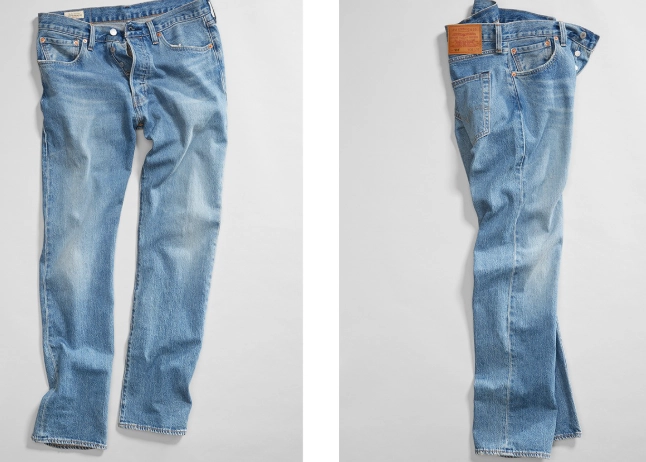
| Denim (10-12 oz) | Barbecue, pottery, woodworking, messy crafts. | Outstanding. Built to withstand abrasion. | Low-Medium. Can bead up liquids. | Sturdy, protective, classic look. | Heavy and restrictive for delicate tasks. Indigo dye can bleed initially. |
| Polyester & Poly-Cotton Blends | Waitstaff, bartending, frequent washing needs. | Excellent. Resists wrinkles and shrinking. | Low (Poly) to Medium (Blend). Dries quickly. | Lightweight, often stain-resistant. | Can feel plasticky. Not breathable; you might sweat more. Oil stains are harder to remove. |
| Waxed Canvas or Cotton | Outdoor cooking, butchery, wet environments. | Excellent (with maintenance). | None. It's waterproof. | Stiff, rugged, develops a unique patina. | Requires occasional re-waxing. Not machine washable. Hot water can melt the wax. |
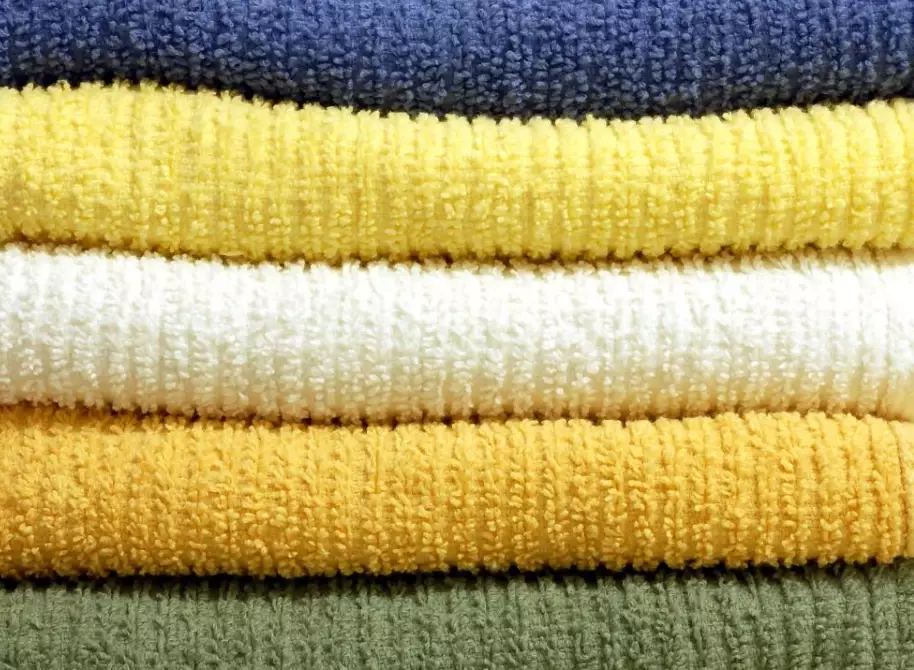
| Microfiber or Bar Mops | As a panel on a hybrid apron for quick wiping. | Good for its purpose. | Extremely High. | Soft and highly functional as a detail. | Never use as the main body fabric—it lacks structure and tears easily. |
How to Match Fabric to Your Exact Use Case
Now, let's get specific. Your activity dictates the fabric more than any other factor.
For the Home Cook and Baker
You deal with flour dust, tomato sauce splatters, and occasional grease. Your enemy is the stubborn stain. Here, natural fibers are king because they respond well to bleaching and hot water. A sturdy cotton canvas (8-10oz) is your workhorse. But if your kitchen gets hot, a cotton-linen blend is a revelation—it keeps you cooler and handles moisture better. I made the switch three years ago and won't go back during summer months.
For the Professional Chef or Bartender
You need a uniform look, stain resistance, and daily industrial laundering. This is where poly-cotton blends (65/35 or 50/50) dominate commercially for a reason. They hold their shape, resist wrinkles off the dryer, and colors stay vibrant. The downside? Breathability. For pros who run hot, a high-quality, heavy linen apron is the traditional and superior choice for comfort, though it requires more ironing or a love for the wrinkled aesthetic.
For the Artist, Crafter, and Workshop Warrior
You face abrasion, chemicals, and heavy grime. Denim and heavy canvas are your allies. For woodworking with lots of sawdust, a smooth, tight-weave canvas is better than denim—dust brushes off more easily. For painting or mechanics where liquids are involved, consider a PVC-backed cotton or a waxed canvas for true liquid protection. A common mistake I see: using a fabric that's too thin. A splash of wood stain will soak right through a lightweight apron.
The Detail Everyone Misses: Fabric Weight
This is the secret spec. Weight, measured in ounces per square yard (oz/yd²), tells you more about an apron's performance than the fiber alone ever will.
- Lightweight (4-6 oz): Think typical tea towels or cheap promotional aprons. Flimsy, offers almost no spill protection, and wrinkles instantly. Avoid for any serious task.
- Mid-Weight (7-9 oz): Your standard "good" cotton apron. Decent for home use. It's the baseline. It will protect you but may feel insubstantial against a hot pan bump.
- Heavyweight (10-13 oz): This is the sweet spot for durability. This is canvas, denim, good linen. The apron has structure, drapes well, and provides a real barrier. It's what you want.
- Ultra-Heavy (14+ oz): Found in welding aprons or extreme-duty gear. Can be stiff and restrictive for general use.
If a product description doesn't list weight, be skeptical. It often means they're using a lightweight fabric.
Washing and Care: The Unsexy Key to Longevity
You can buy the best fabric and ruin it in one wash. Here’s how to not do that.
For Cotton, Linen, Canvas, Denim: Always pre-wash and dry your fabric before sewing if you're making your own. They shrink. For maintenance, wash in warm or cold water. Tumble dry low, but remove while slightly damp to minimize wrinkles—especially for linen. Iron while damp for a crisp look.
For Polyester Blends: They're low-maintenance. Cooler washes preserve color and any applied stain repellency. Avoid high heat in the dryer; it can set synthetic oil stains (like cooking grease) permanently.
For Waxed Fabric: Never machine wash or dry. Wipe clean with a damp cloth and mild soap. Hang to dry. Re-wax annually or as needed when the fabric looks dry and loses its water beading.
A personal rule: I never use fabric softener on aprons. It coats the fibers, reducing their absorbency and can interfere with the performance of technical fabrics.
Your Apron Fabric Questions, Answered
I cook a lot with turmeric and red wine. What's the best apron fabric to prevent permanent stains?
You need a fabric you can aggressively treat. Tightly woven, bleachable cotton is your best bet. Linen also handles bleaching well. Avoid dark colors where you won't see the stain; the pigment will still be damaged. Pre-treat stains immediately with a paste of baking soda and water or a dedicated stain remover before washing in the hottest water safe for the fabric. Polyester blends are riskier here, as heat can set the stain.
My workshop apron gets covered in fine sanding dust. Which material is easiest to clean?
You want a smooth, non-brushed surface. A mid-to-heavy weight cotton twill or sateen has a smoother face than canvas, so dust doesn't cling as much. Denim can work too. The real trick is a stiff brush or a compressed air gun to blow it off before it ever goes inside. A fabric with a texture or nap (like some canvases) will trap the dust and drive you crazy.
Is a 100% waterproof apron fabric a good idea for messy cooking?
Usually, no. It creates a new problem: condensation and sweat. If liquid can't get in, moisture from your body can't get out. You'll end up hot and damp underneath. A better solution is a highly water-resistant fabric like a tightly woven canvas that slows absorption, giving you time to wipe spills, while still being breathable. Save fully waterproof materials (like vinyl) for tasks with constant liquid exposure, like commercial dishwashing.
I want an eco-friendly apron. What are the best sustainable fabric options?
Look for organic cotton (certified by GOTS or OCS), which uses less water and no synthetic pesticides. Linen, made from flax, is naturally sustainable—it requires few inputs and every part of the plant is used. Hemp is another excellent, durable choice gaining popularity. Also, consider the longevity of the apron itself. The most sustainable choice is a well-made apron from a durable natural fabric that you won't need to replace for a decade or more.
Why does my store-bought canvas apron feel so stiff and uncomfortable?
Many manufacturers use fabric finishes (sizing or starch) to make the apron look crisp on the rack. It hasn't been washed or broken in. Wash it 2-3 times with a cup of white vinegar in the rinse cycle to help break down the stiffness. It will soften up significantly. If it remains like cardboard, the fabric weight might be too heavy for your preference, or it could be a very low-quality, coarse canvas.