You've felt it. That unbelievably soft T-shirt, the silky bedsheet that feels cool against your skin, or the underwear that just seems to disappear when you put it on. Chances are, the tag said "modal." It's everywhere in stores now, praised for its comfort and often labeled as "eco-friendly." But what is modal fabric actually made out of? Is it natural? Is it synthetic? The answer is more fascinating—and nuanced—than you might think. Let's cut through the marketing and look at the raw material: beech trees.
What You'll Discover in This Guide
The Core Ingredient: It All Starts with a Tree
Modal is a type of regenerated cellulose fiber. That's a fancy term meaning it's made by taking a natural raw material, breaking it down, and then rebuilding it into a fiber. For modal, that raw material is almost exclusively the pulp of beech trees (Fagus sylvatica).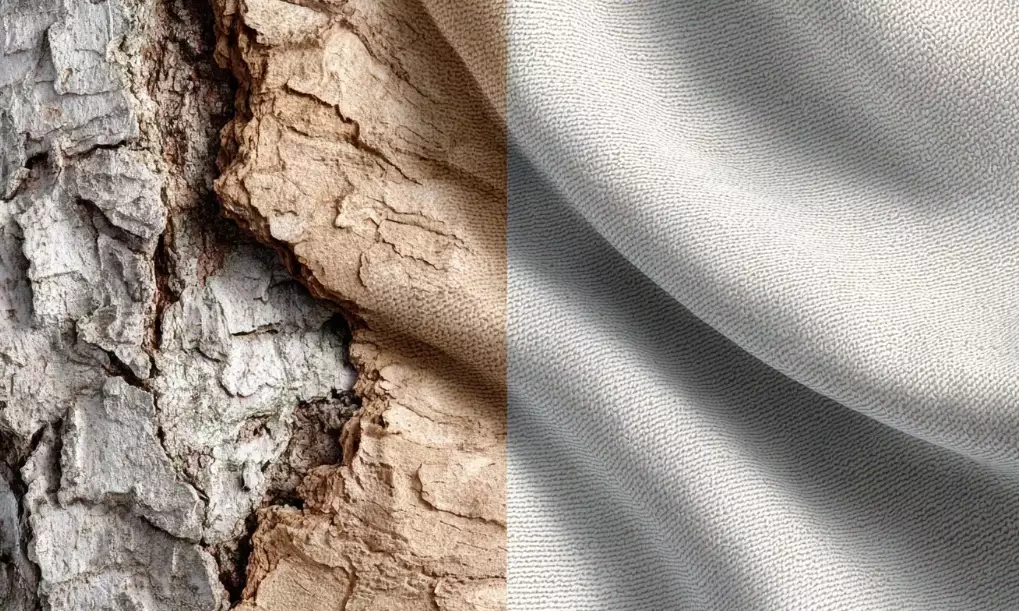
Why beech trees? They're the industry favorite for a few practical reasons. First, beech trees are prolific across Europe (especially Austria, where Lenzing AG, the leading modal producer, is based). They grow quickly and densely without the need for irrigation, pesticides, or transforming land from its natural state. Many beech forests are managed sustainably, with more trees planted than harvested. This forms the basis of the "eco" claims you often see.
But here's a nuance most articles miss: the term "modal" isn't trademarked. Any manufacturer can call their beech-pulp-based fiber "modal" if it meets certain technical specifications for strength and fineness. However, the gold standard is Lenzing Modal. When you see that brand name, you know it comes from Lenzing's Austrian beechwood forests, which are PEFC or FSC certified for sustainable forestry. Generic "modal" might come from less transparent sources. This is the first big gap between marketing and reality.
Personal Note: I used to think "modal" was a brand itself. It wasn't until I visited a textile trade show and spoke directly with a fabric engineer that I learned the difference between generic modal and branded Lenzing Modal. The feel and performance can be noticeably different, especially after 20 washes.
From Wood to Wonder: How Modal is Manufactured
So, how do you turn a chunk of beechwood into a fabric softer than cotton? It's a chemical process, but one that has evolved to be far cleaner than its predecessor, viscose rayon.
The journey looks like this:
- Harvesting & Chipping: Sustainably harvested beech logs are debarked and chipped into tiny wood chips.
- Pulping: These chips are "cooked" in a chemical solution to dissolve the lignin (the glue that holds wood fibers together). What remains is a mushy, brownish substance called wood pulp or dissolving pulp. It's about 92-98% pure cellulose.
- Processing into Fiber: This pulp is dissolved in another chemical (historically carbon disulfide, a major environmental concern in old viscose production) to create a honey-like, viscous solution. This solution is then forced through a showerhead-like device called a spinneret into a bath of sulfuric acid. The acid solidifies the streams into long, continuous filaments of pure cellulose—now regenerated into a new form.
- Spinning into Yarn & Weaving: These filaments are spun into yarn, which is then knitted or woven into the fabric you find in stores.
The key advancement in modal production is the closed-loop process used by leaders like Lenzing. Up to 99% of the water and solvents used are captured and reused within the factory, drastically reducing pollution and waste. This is a major leap from the dirty viscose processes of the past and is central to modal's modern environmental credentials.
Modal vs. Cotton, Viscose & Lyocell: A Fabric Showdown
To really understand modal, you have to see it next to its cousins. They all start from plants, but the end results are wildly different.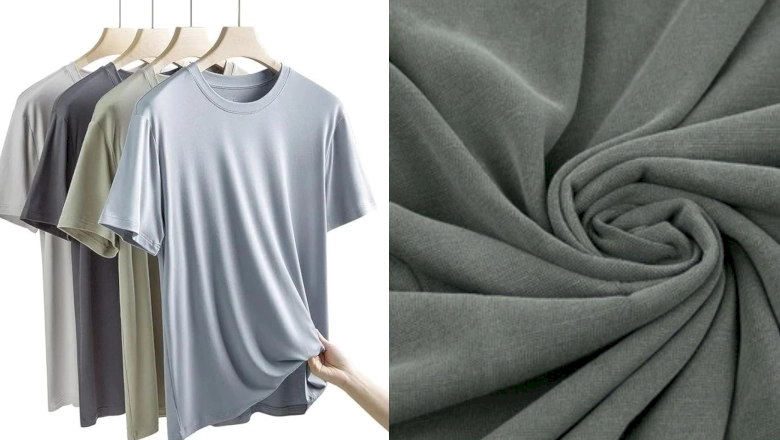
| Fabric | Raw Material | Key Feel & Performance | Environmental Footprint | Best For |
|---|---|---|---|---|
| Modal | Beech Tree Pulp | Extremely soft, smooth, breathable, good drape, retains strength when wet. | Good (with certified wood & closed-loop process). Water-heavy but tree-efficient. | Underwear, T-shirts, pajamas, bed sheets, lightweight dresses. |
| Cotton | Cotton Plant Boll | Soft (but can be rough), breathable, absorbent, durable, wrinkles easily. | Varies widely. Conventional cotton is water and pesticide-intensive. Organic is better. | Jeans, towels, shirts, bedding, heavy-use items. |
| Viscose/Rayon | Wood Pulp (often bamboo or eucalyptus) | Silky, drapey, breathable, but weak when wet and can pill easily. | Often poor due to toxic chemical use and waste. "Bamboo" viscose is rarely eco-friendly. | Blouses, linings, flowy garments not meant for heavy wear. |
| Lyocell (TENCEL™) | Wood Pulp (often eucalyptus) | Soft, strong (even wet), moisture-wicking, anti-bacterial, has a slight texture. | Excellent. Uses a non-toxic solvent (NMMO) in a near 100% closed-loop process. | Activewear, denim, towels, premium bedding, structured garments. |
The biggest misconception? People think modal and viscose are the same. While chemically similar, modal fibers are engineered to be stronger, especially when wet. You can wring out a modal shirt without worrying it will tear, something you can't do with cheap viscose. Lyocell (like TENCEL™) is often seen as modal's more high-tech, eco-conscious sibling, using a greener solvent.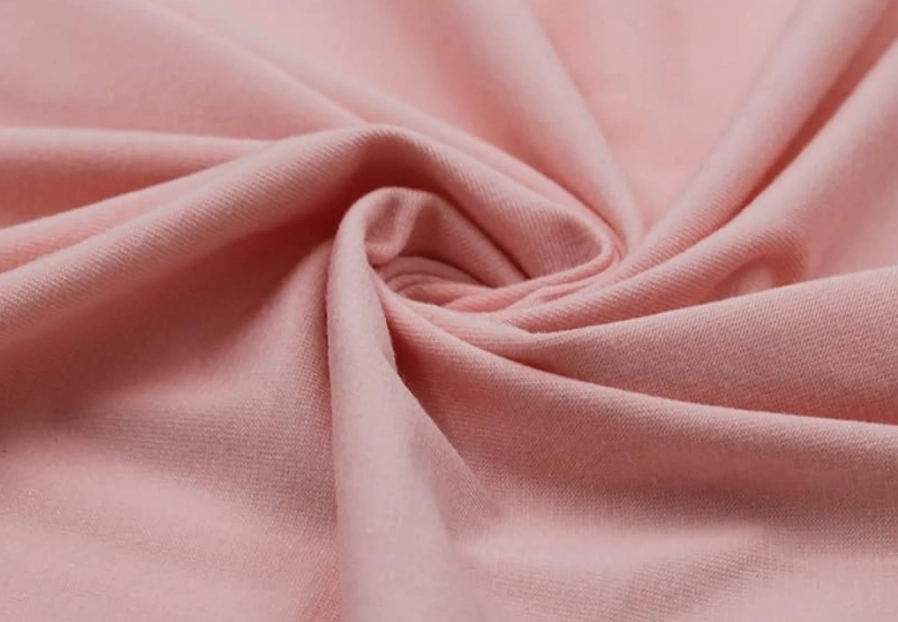
Where Modal Shines (And Where It Doesn't)
Based on what it's made of and how it performs, modal has clear sweet spots.
Modal is fantastic for:
- Second-Skin Clothing: Underwear, bras, camisoles, and pajamas. Its smoothness reduces friction against the skin.
- Summer & Sleepwear: T-shirts, lightweight dresses, and loungewear. It's breathable and feels cool.
- Bed Linens: Modal blend sheets are a game-changer for temperature regulation and a luxurious feel.
- Blends: Often mixed with cotton for added structure or with spandex for stretch.
Think twice before using modal for:
- High-Abrasion Items: Like upholstery or heavy-duty work pants. It can pill over time.
- Structured Garments: A crisp modal blazer won't hold its shape like wool or a cotton blend.
- Items Needing High Heat: It's not the most heat-resistant fiber. Stick to low-temp drying.
Shopping for Modal: What the Labels Don't Tell You
Here’s where my decade of dealing with fabrics comes in handy. You can't just trust the word "modal."
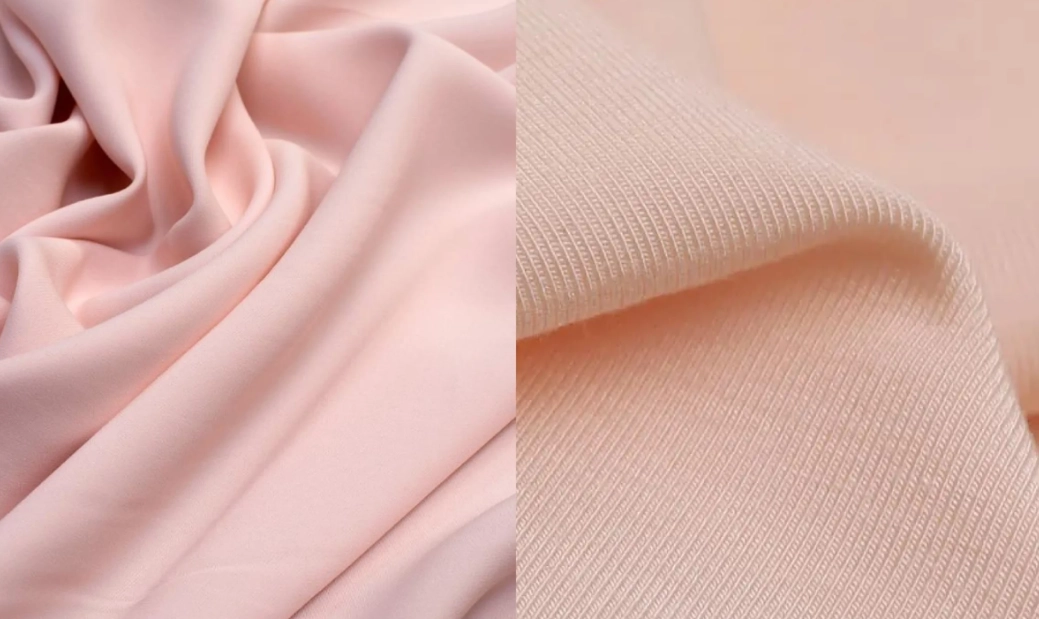
Look for the Blend: Pure 100% modal can be incredibly delicate and prone to stretching out. A 95% modal / 5% spandex blend for leggings or a 50/50 modal-cotton blend for a T-shirt often gives you the best of both worlds—softness with recovery and durability.
Check the Source: If sustainability is a driver for you, look for the Lenzing Modal or TENCEL™ Modal badge. This guarantees the wood is from sustainable forests and the production is eco-efficient. A label that just says "modal" tells you nothing about its origin.
Feel the Weight: Modal comes in different weights (grams per square meter). A heavier modal (e.g., 180 GSM) will be more opaque and durable for a T-shirt. A lighter weight (e.g., 120 GSM) is divine for a slip dress but may be sheer.
The Care Secret: Always wash modal in cold water on a gentle cycle. Tumble dry on low or, better yet, lay flat to dry. High heat is the fastest way to shrink, weaken, or melt any elastane blended with it. I've ruined a favorite modal tank by forgetting it in a hot dryer—it came out child-sized.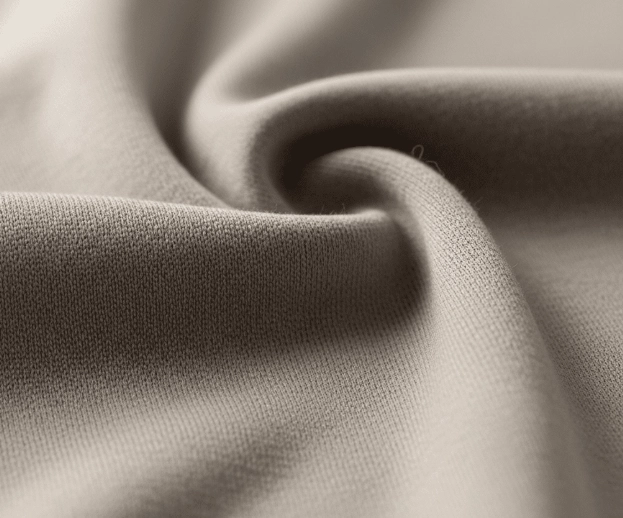
Your Modal Questions, Answered
Is modal fabric better than cotton for sensitive skin?
For many, yes. Modal's fibers are longer and smoother than cotton's, creating a surface with fewer microscopic "pills" or rough ends that can irritate skin. It's also more breathable and wicks moisture away efficiently, reducing the clammy feeling that can exacerbate eczema or general sensitivity. However, if you have a specific allergy to the chemicals used in processing (very rare), organic cotton might be the safer bet.
Why does my modal T-shirt sometimes feel clingy or static?
That's the flip side of its smooth, low-friction nature. Modal, like many synthetic and semi-synthetic fibers, doesn't conduct electricity well, allowing static charge to build up, especially in dry climates or when paired with certain other fabrics (like wool sweaters). A quick spritz of water, using a dryer sheet, or applying a bit of lotion to your skin can help dissipate the static.
How can I tell if "bamboo" fabric is actually modal?
If the label says "bamboo viscose," "bamboo rayon," or even just "bamboo" without specifying "mechanically processed bamboo linen," it's almost certainly modal/viscose made from bamboo pulp. The marketing leverages bamboo's fast-growing, eco-friendly image, but the chemical process to turn it into soft fabric is identical to making modal from beechwood. Check the care instructions: if it says "hand wash cool, lay flat to dry," it's a regenerated cellulose fiber like modal.
Does modal fabric shrink or pill easily?
Modal is more dimensionally stable than cotton and resists shrinking if you avoid high heat. Pilling is its more common vice. The long, smooth fibers can work loose with friction (like under backpack straps or in the armpit) and form little balls. Higher-quality, tighter-knit modal pills less. You can gently shave off pills with a fabric shaver. Blends with cotton or polyester are more pill-resistant.
Is modal truly biodegradable and eco-friendly?
This needs a two-part answer. The cellulose fiber itself is biodegradable under the right industrial composting conditions. However, dyes, chemical finishes, or blended fibers (like polyester) can hinder this. On the eco-friendly scale, it's a mixed bag. It's far better than polyester (plastic) and can be better than water-thirsty conventional cotton. But its "greenness" hinges entirely on the manufacturer. Lenzing Modal with its closed-loop system and certified forests is a leader. Unbranded modal from an unknown factory in an unregulated region could have a significant chemical pollution footprint. Always look for the certifications.