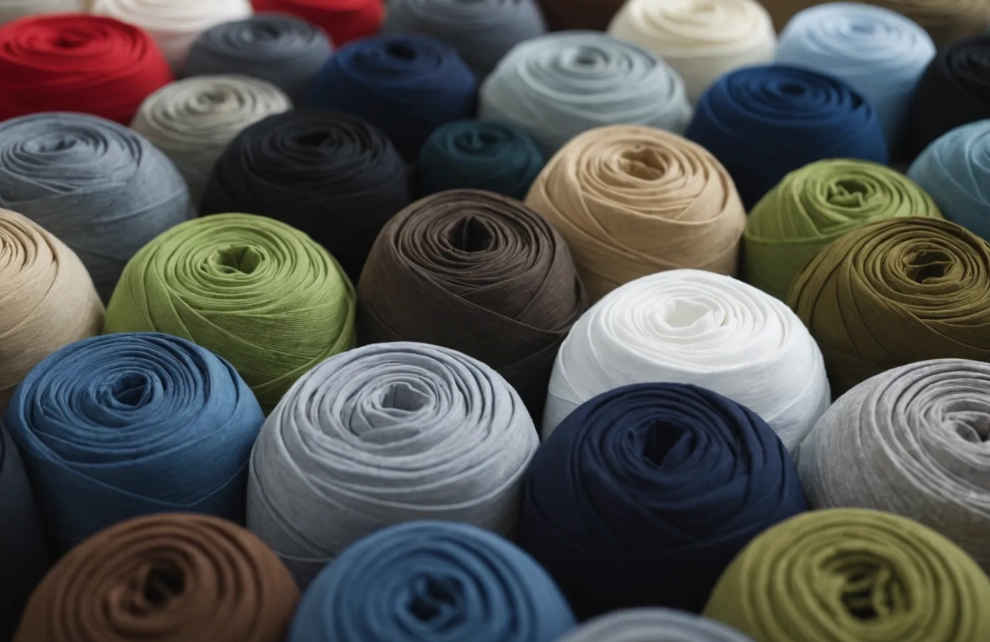
Let's be real. When you're shopping for underwear, you're not just looking for something that looks good. You want something that feels good, all day, against your most sensitive skin. Lately, you've probably seen "modal" popping up everywhere, touted as a soft, sustainable alternative to cotton. But a big question lingers: is modal fabric actually safe for underwear? The short answer is yes, for most people, it's an excellent and safe choice. But like anything that touches your skin all day, the devil is in the details—the quality of the fiber, how it's processed, and what it's blended with make all the difference.
I've been writing about and personally testing sustainable fabrics for close to a decade. I've seen modal go from a niche fabric to a mainstream staple, and I've made my share of mistakes along the way (buying that super cheap modal blend that pilled after two washes was a lesson). This guide will cut through the marketing fluff and give you the straight facts on safety, comfort, and what to look for.
What You'll Find Inside
- What Exactly is Modal Fabric?
- The Safety Breakdown: Breathability, Skin, and Chemicals
- Modal vs. Cotton vs. Bamboo: The Underwear Fabric Showdown
- How to Choose High-Quality Modal Underwear
- Potential Drawbacks and What to Watch Out For
- Caring for Your Modal Underwear
- Your Modal Underwear Questions Answered
What Exactly is Modal Fabric?
Modal is a type of rayon. Don't let that scare you. Early rayon had a bad rep, but modern modal is a different beast. It's made from the pulp of beech trees, usually sourced from sustainably managed forests in Europe. The process involves dissolving the pulp into a liquid and then forcing it through tiny holes to create fibers. This is called a "regenerated cellulose" fiber.
The key player here is the Austrian company Lenzing. They produce TENCEL™ Modal, which is pretty much the gold standard. When you see that brand name, you know the fiber comes from a closed-loop process where most of the water and solvents are recycled. It's a big deal for reducing environmental impact. Generic "modal" might not follow the same strict standards.
Quick Fact: Modal is known for being incredibly soft—often softer than cotton—with a beautiful drape and a silky feel. It's also about 50% more absorbent than cotton, which is a huge point for underwear functionality.
The Safety Breakdown: Breathability, Skin, and Chemicals
Safety isn't just one thing. We need to look at it from a few angles.
Breathability and Moisture-Wicking
This is where modal shines and why it's so good for underwear. Its high absorbency means it pulls moisture (sweat) away from your skin quickly. A damp environment is a breeding ground for bacteria and yeast, which can lead to irritation or infections. By staying drier, modal helps maintain a healthier skin environment. It's more breathable than synthetic fabrics like polyester or nylon, which just trap sweat.
Here's the thing though: its breathability is slightly different from cotton. Cotton absorbs well but can feel clammy once wet because it holds the moisture. Modal absorbs and then releases the moisture into the air a bit faster, so it often feels drier to the touch.
Skin Sensitivity and Allergies
Modal is generally hypoallergenic. The fibers are smooth and lint-free, which means less mechanical irritation rubbing against your skin. For people with conditions like eczema or sensitive skin, high-quality modal can be a godsend—it's less likely to chafe.
The caveat? The processing. The safety of the final fabric depends heavily on the chemicals used in the manufacturing process and how thoroughly they're washed out. This is why brand trust matters. Lenzing's TENCEL™ Modal has certifications like the EU Ecolabel, which sets strict limits on harmful residues. A no-name brand from an unregulated factory might not be as diligent.
Durability and Long-Term Wear
Pure modal has a reputation for being less durable than cotton, especially when wet. That's why you'll rarely see 100% modal underwear. It's usually blended with a small percentage of elastane (like Lycra or spandex, typically 5-10%) for stretch and recovery, and sometimes with cotton for added strength.
This blend is actually a safety plus. Underwear needs to keep its shape to provide proper support and fit. Stretched-out, saggy underwear can cause chafing. The blend ensures it lasts through washes and wears without compromising the soft, safe feel against your skin.
Modal vs. Cotton vs. Bamboo: The Underwear Fabric Showdown
Let's put the top contenders side-by-side. Remember, "bamboo" fabric in clothing is almost always bamboo rayon, which is made through a process very similar to modal.
| Feature | Modal (TENCEL™) | Organic Cotton | Bamboo Rayon |
|---|---|---|---|
| Softness | Extremely soft, silky feel | Soft, can soften more with washes | Very soft, similar to modal |
| Absorbency | High (~50% more than cotton) | Good | High (similar to modal) |
| Breathability | Excellent | Excellent | Excellent |
| Durability | Good (best when blended) | Very Good | Fair (can be delicate) |
| Common Blends | Modal + Elastane | Cotton + Elastane | Bamboo + Elastane |
| Eco-Impact (Best Case) | Closed-loop process, sustainable forestry (Lenzing) | No synthetic pesticides, high water use | Fast-growing plant, but processing varies widely |
| Price Point | Mid to High | Mid | Mid to High |
For daily underwear, modal and high-quality bamboo rayon are neck-and-neck for moisture management and softness. Organic cotton is a fantastic, trusted choice if you prefer a natural, non-rayon fiber. The "safety" difference between them for most people is minimal; it boils down to personal feel and brand ethics.
How to Choose High-Quality Modal Underwear
Not all modal is created equal. Follow this checklist to ensure you're getting the safe, durable product you're paying for.
Look for the Brand Name Fiber: Prioritize items that specify "TENCEL™ Modal" by Lenzing. This is your biggest indicator of responsible manufacturing and fiber quality.
Check the Blend: A 95% Modal / 5% Elastane blend is the sweet spot. It gives you the benefits of modal with the necessary structure and longevity. Avoid blends with high percentages of polyester or nylon, as they reduce breathability.
Seek Out Certifications: Look for tags like Oeko-Tex Standard 100. This certification tests for a wide range of harmful substances, ensuring the final textile is safe for human skin. Other good ones are FSC (for the wood pulp) and the EU Ecolabel.
Feel the Fabric (if you can): High-quality modal feels consistently smooth and dense, not flimsy or scratchy. Poorer quality modal can feel thin and almost too slick.
Research the Brand's Ethics: A brand transparent about its supply chain and using certified fibers is more likely to care about the chemical safety of its end product.
Some brands I've had consistently good experiences with include (this isn't sponsored, just my take):
Organic Basics: Their TENCEL™ Lite line is superb for breathability.
Boody: Uses bamboo rayon (similar process) and is very clear about their Oeko-Tex certification.
Pact: Offers both organic cotton and modal options, all Fair Trade certified.
My first foray into modal was a cheap multipack from an unknown brand. They felt amazing out of the package but lost shape and developed little pills in the high-friction areas within a month. I learned that investing a bit more in a certified product from a reputable brand pays off in longevity and peace of mind.
Potential Drawbacks and What to Watch Out For
It's not all perfect. Being aware of the downsides helps you make a smarter choice.
Pilling: Lower-quality modal, or blends with short fibers, can pill. This is those little balls of fuzz that form. They're not unsafe, but they feel rough and look worn.
Heat Sensitivity: Modal is more sensitive to high heat than cotton. Tumble drying on high or ironing on a hot setting can weaken the fibers, making them brittle and more likely to break or develop holes. Always opt for low heat.
Environmental Claims ("Greenwashing"): Just because it says "modal from beech trees" doesn't mean it's eco-friendly. The generic process can still use harsh chemicals if it's not in a closed loop. Always dig for specifics like "TENCEL™" or "Lenzing".
For Extreme Sensitivities: While rare, some individuals may react to trace chemicals if the fabric isn't well-washed. If you have multiple chemical sensitivities (MCS), washing any new underwear before wear is non-negotiable, and you might lean towards GOTS-certified organic cotton as a first choice.
Caring for Your Modal Underwear
Proper care extends the life and maintains the safety of your underwear. It's simple:
- Wash in Cold or Lukewarm Water: Hot water can damage the fibers and set in stains.
- Use a Mild Detergent: Harsh detergents or bleach can break down the fibers and leave residues.
- Turn Inside Out: This protects the outer surface from friction in the wash.
- Air Dry or Tumble Dry Low: This is the most important step. High heat is the enemy. I hang mine on a drying rack – it saves energy and keeps them in perfect shape.
- Avoid Fabric Softeners: They coat the fibers, reducing absorbency and breathability – the very qualities you bought modal for.
Your Modal Underwear Questions Answered
So, is modal fabric safe for underwear? Absolutely. For the vast majority of people, it's a safer, more comfortable, and more performance-oriented choice than many alternatives. Its superior moisture-wicking creates a less hospitable environment for bacteria, and its silky-smooth fibers minimize irritation. The real safety guarantee comes from choosing quality—prioritizing certified fibers like TENCEL™ Modal from transparent brands. When you do that, you're not just getting a piece of clothing; you're getting a durable, skin-friendly, and responsibly made staple for your daily life.