You just bought a beautiful, expensive linen shirt or a set of crisp linen sheets. The first thought that pops into your head before you even wear them is probably, "Will this shrink in the wash?" It's a smart question. Linen, made from the fibers of the flax plant, has a reputation. Some say it shrinks like crazy, others swear it's indestructible. After over a decade working with natural fabrics and yes, ruining a few pieces myself along the way, I can give you the straight answer: Yes, linen can shrink, but it's almost entirely preventable. The real story isn't about if it shrinks, but why it shrinks and exactly how you can stop it from happening. Let's cut through the myths and get into the practical, step-by-step care that will keep your linen looking fantastic for years.
What You'll Discover
The Simple Truth About Linen and Shrinkage
Think of a dry sponge. When you add water, it plumps up and expands. Natural fibers like linen and cotton do something similar. During manufacturing, the fibers are stretched under tension. When you wash them for the first time with warm or hot water, the fibers relax and return to their natural, slightly shorter state. That's shrinkage.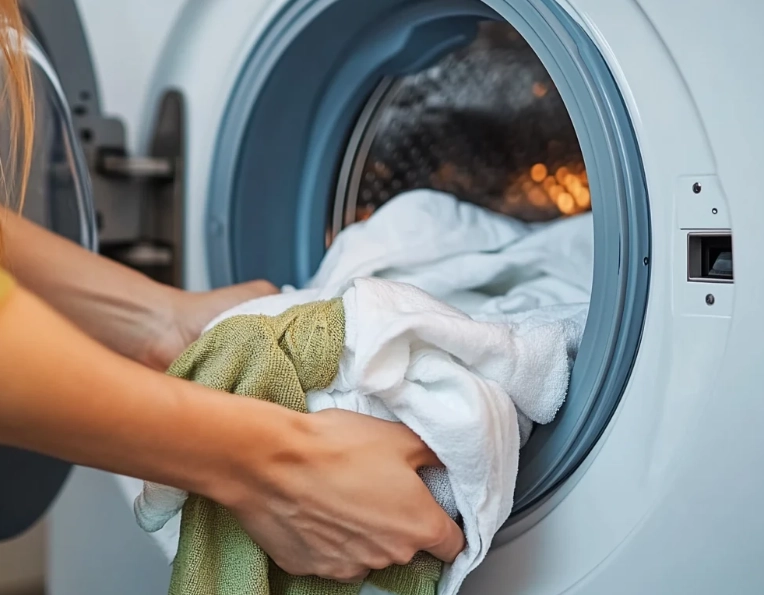
Here’s the key detail most blogs miss: Most high-quality linen has been "pre-shrunk" or "sanforized" during production. This is a mechanical process that forcibly shrinks the fabric before it gets to you. If your linen item has this treatment, shrinkage will be minimal, often 1-3%. However, many artisan, European, or premium brands skip this to preserve the fabric's full, soft hand-feel. That's the linen that can shrink 5-10% if you're not careful.
The Bottom Line: Assume your new linen item will shrink a bit on its first wash unless the care label explicitly states "pre-shrunk." Your goal isn't to fight this natural process, but to control it so it happens in a predictable, manageable way before you start wearing or using the item regularly.
The Non-Negotiable First Step: Pre-Washing
This is the single most important thing you can do. I don't care if the item looks perfect off the rack. Wash it before you wear it. Not tomorrow, not after the first use. Now. I learned this the hard way with a lovely loose-fit linen dress that became a decidedly less-lovely fitted mini dress after one warm wash.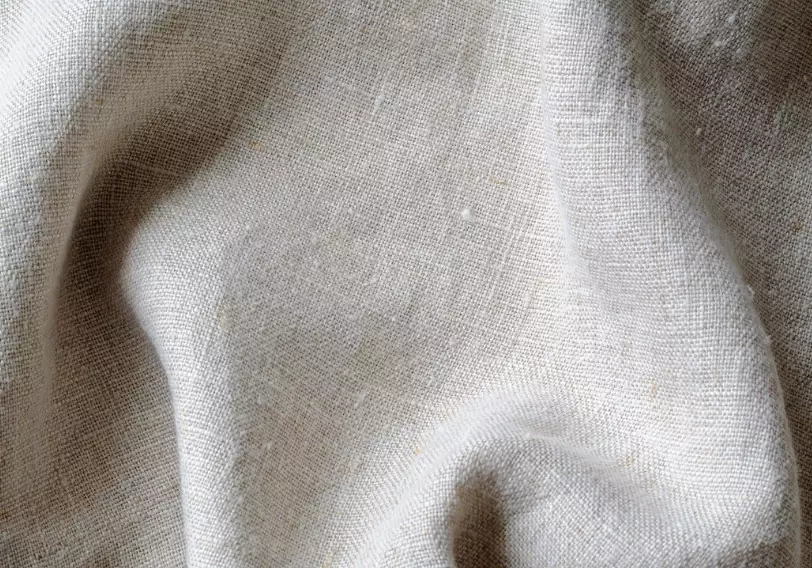
How to Pre-Wash Linen Correctly:
- Check the Label, Then Ignore It (Sometimes): Most labels say "cold wash." For pre-washing, I recommend using lukewarm water (around 40°C or 104°F) if the fabric color is stable. This encourages any remaining shrinkage to happen all at once. For dark or bright colors you're worried about, stick to cold.
- Go Solo: Wash the new linen item by itself or with similar colors. You don't want dye transfer or abrasion from zippers on other clothes.
- Gentle Detergent: Use a mild liquid detergent. Skip the heavy-duty powders and absolutely avoid bleach.
- Gentle Cycle: Use the machine's delicate or gentle wash cycle.
After this first wash, any major shrinkage is done. The fabric has "settled." From here on out, you can follow more cautious care routines.
How to Wash Linen: The Safe Cycle Guide
Once pre-washed, linen is remarkably durable. It gets softer and better with each wash. Here’s your ongoing maintenance plan.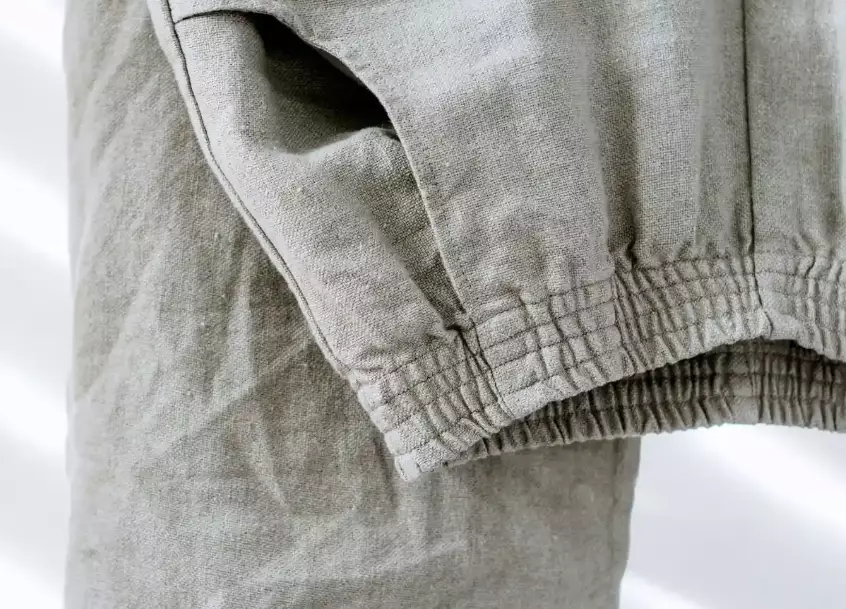
Choosing the Right Water Temperature
Temperature is the main driver of shrinkage and color fading.
| Temperature | Best For | Why & Risk |
|---|---|---|
| Cold (30°C/86°F) | All colored linen, dark shades, everyday washing. | Minimizes shrinkage, preserves color, saves energy. Zero risk of setting stains. |
| Warm (40°C/104°F) | White or light linen, heavily soiled items, bedding. | Better stain removal and sanitation. Slight shrinkage risk on non-pre-shrunk items. |
| Hot (60°C/140°F+) | Linen tea towels, napkins, or for disinfecting. | Will cause significant shrinkage. Use only for items where size isn't critical. |
My default for all colored linen clothing after the first wash is cold. For my white linen sheets and shirts, I use warm.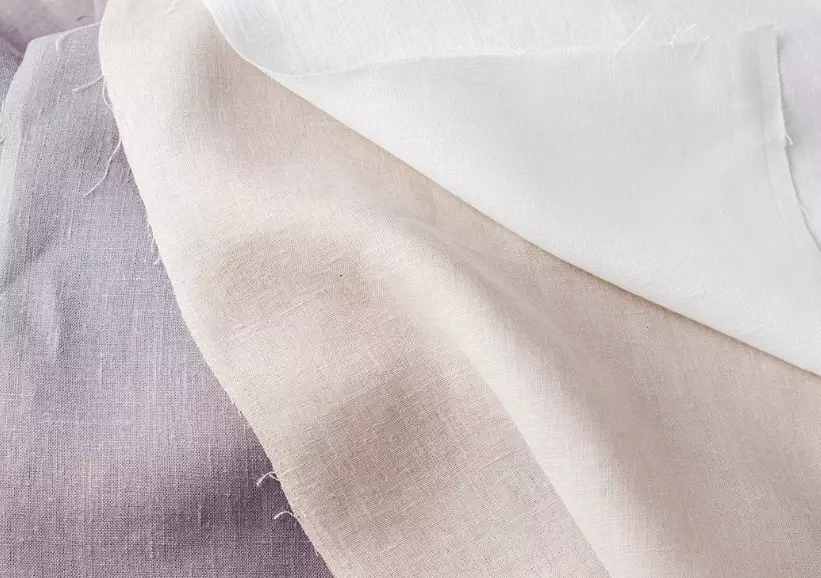
Detergent, Cycle, and Machine Tips
Use a liquid detergent for dark colors to prevent white powder residues. A gentle, natural detergent is ideal. Set your machine to a gentle or permanent press cycle with a medium spin speed. A high-speed spin can set wrinkles impossibly deep.
Avoid fabric softener. It coats the natural fibers, reducing linen's prized absorbency and breathability. Over time, it can make fabric feel stiff and grimy. If you want softer linen, just keep washing it—it softens naturally with time and use.
Drying & Ironing: Where Most Mistakes Happen
Heat is the other enemy. The dryer is the fastest way to turn a perfectly sized linen tunic into a crop top.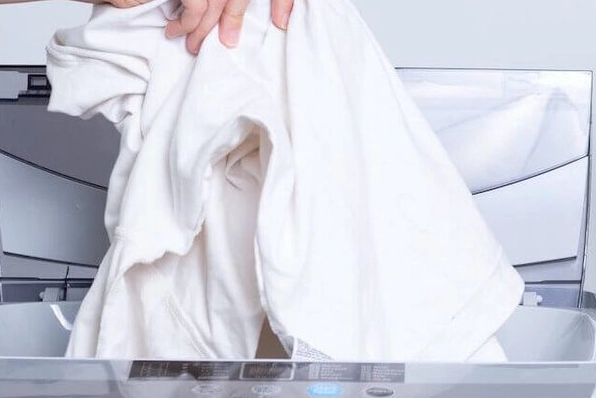
Air Drying is King: Always air dry if possible. Hang shirts on padded hangers to maintain shape. Lay bedding and towels flat over two lines to prevent pull points. Linen dries surprisingly quickly.
If You Must Use a Dryer: Use the lowest heat setting (tumble dry low) and remove the item while it's still slightly damp. This prevents over-drying and massive wrinkles. Never use high heat.
The Ironing Trick for a Crisp Finish
Want that sharp, ironed look? Iron linen while it's still slightly damp. Use a medium to high heat setting and plenty of steam. If the fabric is dry, use a spray bottle to mist it lightly. For a relaxed look, just give it a good shake after drying and embrace the wrinkles—that's the linen charm.
What About Linen Blends?
Linen-cotton or linen-rayon blends are popular. They're often softer right away and less prone to wrinkling. But their shrinkage behavior is a wild card, dictated by the other fiber in the mix.
- Linen-Cotton: Cotton also shrinks. Pre-wash as you would pure linen.
- Linen-Rayon/Viscose: Rayon is notoriously fragile when wet and can shrink dramatically. Always hand wash or dry clean rayon blends. A machine will likely ruin them.
The rule is simple: Care for the blend according to its most delicate fiber. When in doubt, hand wash in cold water and lay flat to dry.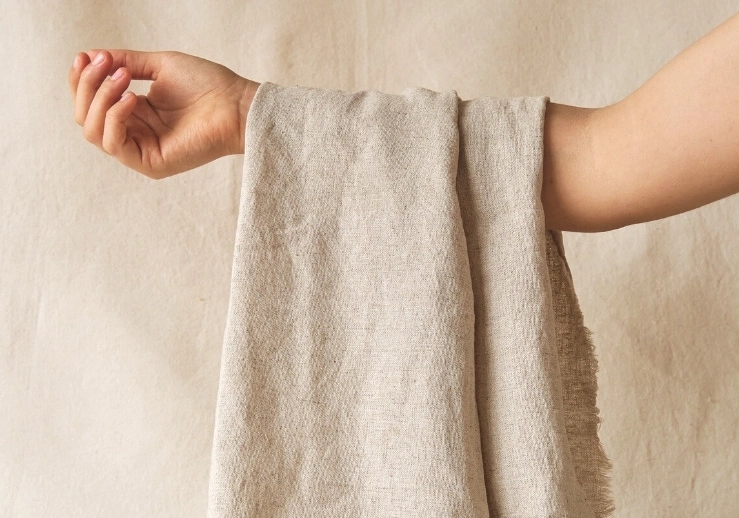
Your Linen Care Questions, Answered
The takeaway is empowering. Linen isn't a fragile museum piece; it's a robust, living fabric. Shrinkage is a predictable, manageable characteristic, not a flaw. By taking control with a proper pre-wash and adopting a cool, gentle care routine, you completely eliminate the worry. Your linen will reward you by lasting for decades, softening beautifully with each wash, and becoming a more cherished part of your wardrobe or home with time.