You're looking for a bag, shoes, or a jacket that doesn't use animal leather. Great. You type "vegan leather" into a search, and suddenly you're drowning in terms: PU leather, PVC, Piñatex, mushroom leather, apple leather, cactus leather. Some claim to be eco-friendly, others are just cheap plastic. How do you even start? Let's cut through the noise. Vegan leather alternatives aren't just one thing; they're a spectrum from fossil-fuel-based plastics to innovative plant-based materials. Your choice matters beyond ethics—it impacts durability, care, and the planet. This guide isn't about preaching; it's about giving you the clear, practical details you need to make a smart purchase you'll be happy with for years.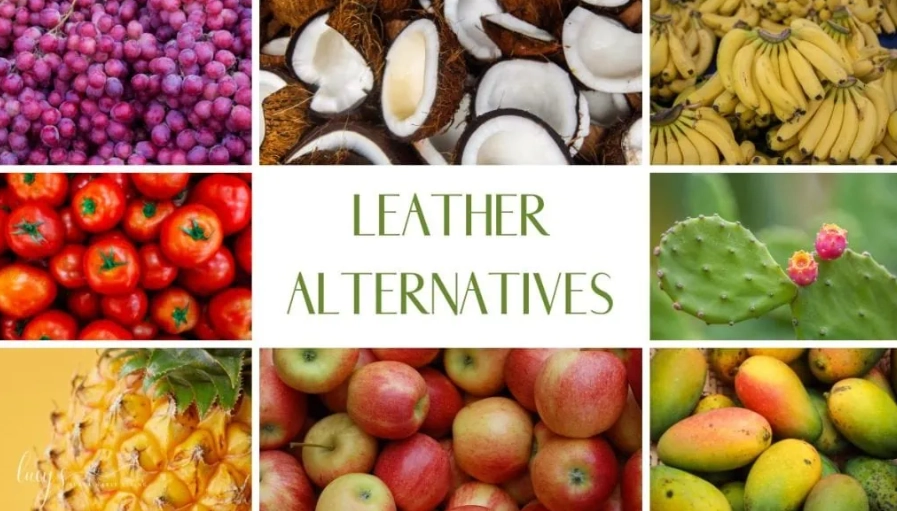
What's Inside This Guide
Why Not All Vegan Leather is Created Equal
Most people think "vegan leather" and picture that shiny, sometimes sticky, black jacket from a fast-fashion store. That's usually PVC (polyvinyl chloride) or PU (polyurethane) leather. They're plastic. They're cheap to make, water-resistant, and easy to clean. But here's the catch no one talks about enough: their environmental footprint during production and at the end of their life is massive. PVC is particularly nasty, releasing dioxins. PU is a bit better but still a petroleum product.
The real shift happening now is towards bio-based materials. These use natural fibers from plants, fruits, or fungi as the base, often combined with a binder. They're not always 100% biodegradable, but they're a step away from pure fossil fuels. The problem? The market is full of greenwashing. A material might be "made with 50% apple waste," but the other 50% could be PU. You have to dig.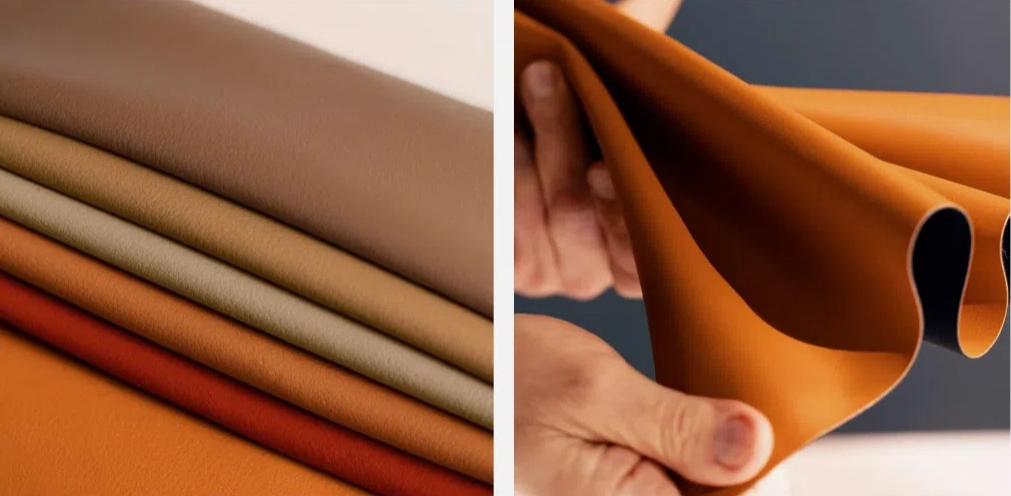
My take: I've handled dozens of these materials. The hype around some new "miracle" plant leathers can be overblown. A cactus leather wallet might feel amazing, but if the company won't disclose what it's bonded with (often a plastic polymer), you're only getting part of the story. True innovation is in reducing or eliminating that plastic binder altogether, which brands like MycoWorks (with their mushroom-based Reishi™ material) are pioneering.
The Plant-Based Contenders: A Side-by-Side Look
Let's get concrete. Here’s a breakdown of the major players you'll actually find in products today, not just in lab prototypes. I've included rough price comparisons—because budget matters.
| Material | Source (The Main Ingredient) | Feel & Look | Common Uses & Brands You Can Buy | Price Vibe (vs. PU Leather) |
|---|---|---|---|---|
| Piñatex® | Waste pineapple leaf fibers | Textured, grainy, slightly stiff initially but softens. Distinctive look. | Sneakers (Nae), bags (Hugo Boss has used it), accessories. Widely available. | Premium (2-3x more) |
| Mushroom Leather (Mylo™, Reishi™) | Mycelium (fungus roots) grown in labs. | Incredibly soft, supple, and can mimic animal leather's drape very closely. | Luxury bags (Stella McCartney), apparel. Still scaling up production. | Luxury (Significantly higher) |
| Apple Leather | Pomace (waste from juice/cider industry). | Smooth, often has a synthetic feel due to high PU content, but can be pebbled. | Wallets, phone cases, smaller accessories. Brands like Samara use it. | Mid-Range (1.5-2x more) |
| Desserto® (Cactus Leather) | Mature cactus leaves (nopal). | Soft, pliable, with a nice matte finish. One of the more leather-like plant options. | Car interiors, fashion accessories, shoes. Adidas has experimented with it. | Premium to Luxury |
| Cork Leather | Bark of cork oak trees (harvested sustainably). | Unique, natural grain, water-resistant, lightweight. Not trying to be animal leather. | Wallets, bags, journals. A classic, established material. | Mid-Range |
| Recycled PU/Polyester | Post-consumer plastic bottles, industrial waste. | Varies widely. Can be made to feel like microfiber or smooth leather. | Activewear, shoes, mainstream vegan fashion brands. Very common. | Budget to Mid-Range |
Notice something? The "feel" column is crucial. If you crave that buttery-soft, slouchy leather jacket feel, mycelium-based options are your best bet, but you'll pay for it. If you want something durable and unique, cork or Piñatex are fantastic. Apple leather is great for colorful, fun accessories but often has a higher synthetic content than marketing suggests.
Durability: Myths vs. What Actually Happens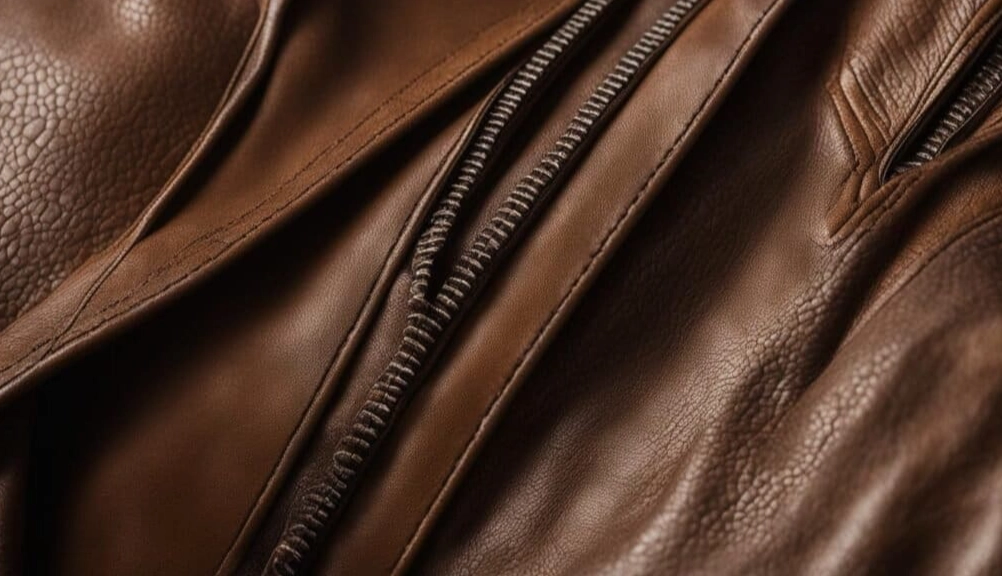
"Vegan leather doesn't last." I hear this constantly. It's a half-truth. Cheap PVC/PU from fast fashion will absolutely crack and peel, sometimes within a year, especially if exposed to sun and heat. It's a laminate that fails.
But higher-quality vegan leathers, including some robust PUs and especially the newer plant-based composites, are built differently. A well-made cork bag can last decades. Piñatex develops a beautiful patina. The real issue isn't just the material—it's construction. Look for reinforced stitching, quality zippers, and lined interiors. A poorly constructed bag made of any material will fail.
The Peeling Problem, Demystified
Peeling happens when the thin plastic top layer separates from the fabric backing. This is a hallmark of low-quality laminated materials. Better alternatives use:
Microfiber PU: Higher-grade PU where the coating is more integrated, often more breathable and flexible.
Plant-based composites: Materials like Desserto or some apple leathers have the plant fibers embedded throughout the matrix, which can reduce delamination risk. They can still scratch or scuff, but they won't "peel" in the same way.
I own a Piñatex tote that's been my daily driver for three years through rain and sun. It has scratches and color variations now—character, not damage. It hasn't peeled a bit.
How to Choose the Right Vegan Leather for You
Don't just buy a "vegan leather" item. Buy a specific material that fits your life. Ask yourself these questions: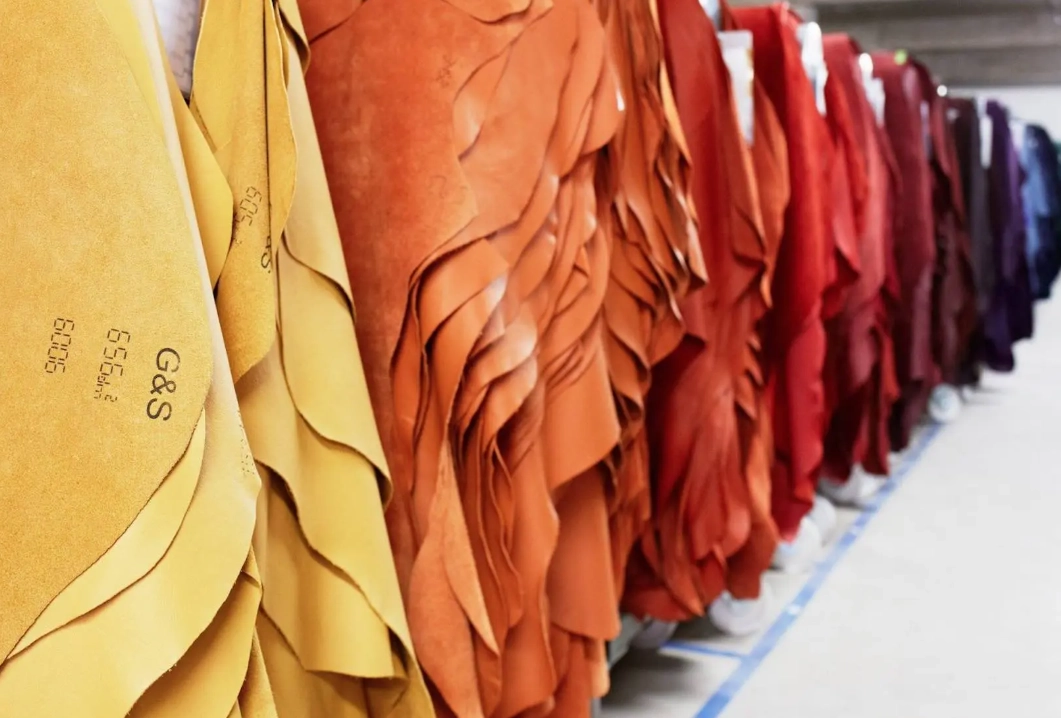
What's your main use case?
Daily bag/backpack: Prioritize durability and water resistance. Look at cork, recycled PU with good reviews, or thicker Piñatex.
Statement jacket: Prioritize drape and feel. Save up for mycelium leather or explore high-quality microfiber PU.
Wallet/purse: Durability against friction. Apple leather, cactus leather, or cork are excellent here.
What's your sustainability priority?
Waste reduction: Piñatex, apple leather (using by-products).
Moving away from plastic: Cork, pure mycelium materials (check the binder!).
Circular economy: Recycled PU/PET gives plastic waste a second life.
What's your budget? Be honest. It's better to buy one Matt & Nat bag (known for quality recycled linings and construction) made with recycled PU that lasts five years than to buy five cheap PU bags that disintegrate. Invest in the best construction you can afford, regardless of the material hype.
Caring for Your Vegan Leather Items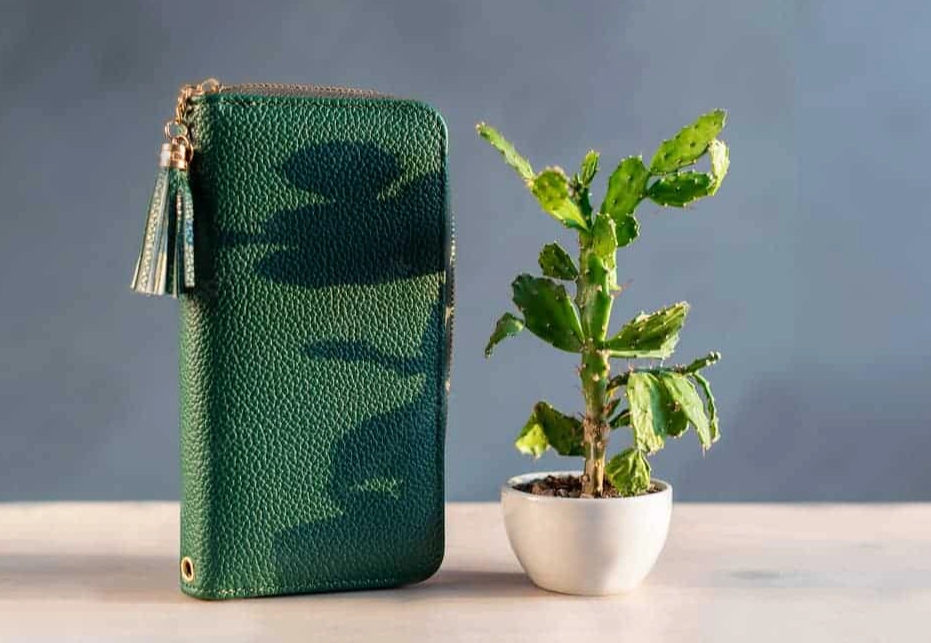
This is where people ruin good stuff. Never use animal leather conditioners (like mink oil) on vegan materials. They can degrade plastics and clog plant fibers.
For most plant-based & PU materials: Wipe clean with a damp, soft cloth. For stains, use a mild soap solution. Air dry away from direct heat or sunlight. That's it. No magic potions needed.
For cork: It's naturally stain-resistant. A slightly damp cloth is perfect. You can occasionally use a tiny bit of cork sealant for high-wear items.
Storage: Keep them in a dust bag, not a plastic one. Allow them to breathe.
The biggest killer is heat. Don't leave your vegan leather bag on the heated car seat or next to a radiator. That accelerates drying and cracking.
Your Questions, Answered Honestly
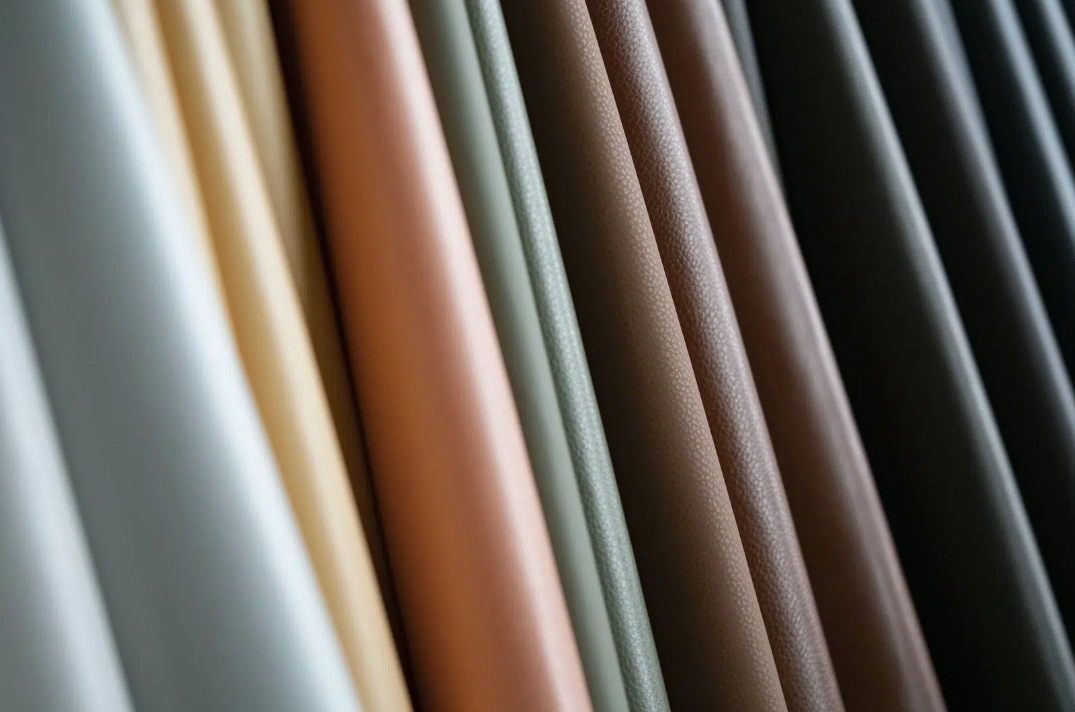 The world of vegan leather alternatives is messy, exciting, and full of potential. It's not about finding a single perfect replacement for animal leather. It's about having a toolkit of options—each with its own strengths, trade-offs, and best uses. By understanding what you're really buying, you can make choices that align with your style, ethics, and practical needs, and end up with items you truly love that stand the test of time.