I’ve been sewing for over a decade, and I’ll be honest—I ignored fabric drape for the first five years. I’d pick fabrics based on color or pattern, then wonder why my garment looked like a cardboard box. The truth is: fabric drape is the single most important factor that determines how your project will fall, flow, and fit. Let me break down everything you need to know, from what it is to how to test it, so you never make the same mistakes I did.
What Is Fabric Drape?
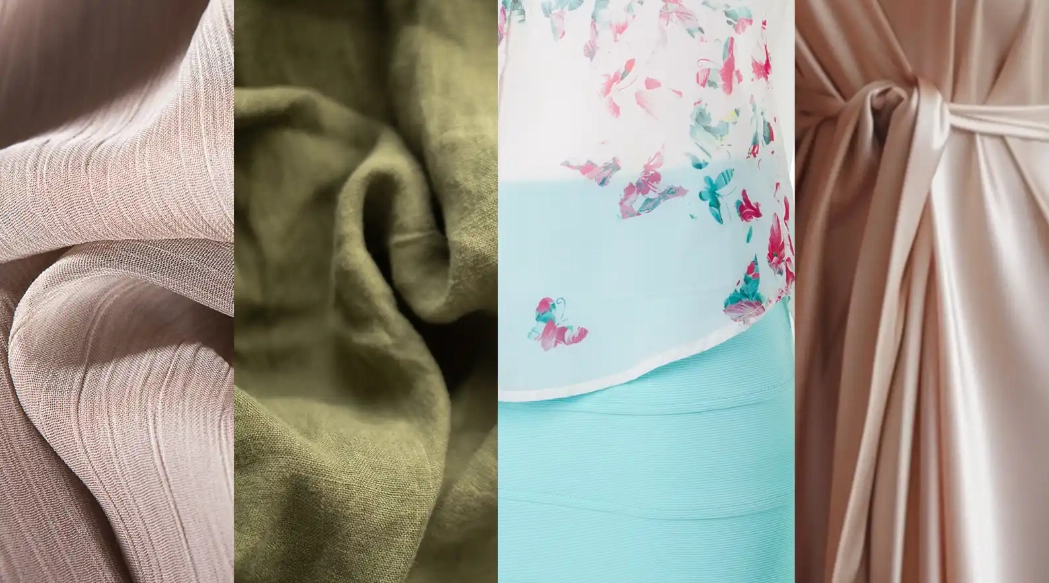
In simple terms, fabric drape (or drapability) describes how a fabric hangs and folds under its own weight. Think of the difference between a crisp cotton shirt and a silky rayon blouse. The cotton stands away from your body; the rayon clings and flows. That’s drape in action. Technically, drape is measured by how many and how deep the folds are when fabric is suspended. A fabric with high drape will create many small, graceful folds (like silk charmeuse), while a fabric with low drape will have fewer, larger folds (like denim).
But numbers can’t capture the feel. I remember the first time I held a piece of double-faced satin—it felt like liquid in my hands. That’s the extreme end of drape. On the other end, a stiff upholstery fabric barely bends. Understanding this spectrum is key to choosing the right material for your project.
Why Drape Matters for Your Project
Why should you care? Because drape directly impacts:
- Fit and silhouette: A low-drape fabric will create volume and structure (good for tailored jackets). High-drape fabric follows body curves (good for bias-cut dresses).
- Comfort: Fabrics with too much or too little drape can make you feel restricted or baggy.
- Visual effect: Drape influences how light and shadows play on the fabric, affecting the overall look.
For example, last year I made a maxi skirt from a stiff linen—mistake. It stuck out like a lampshade. A soft rayon would have given that fluid movement I wanted. I ended up giving the skirt to my mother-in-law, who loves stiff fabrics. Lesson learned.
Drape vs. Stiffness: Clearing the Confusion
Many beginners think drape and stiffness are opposites. They’re related, but not exactly. Stiffness is a fabric’s resistance to bending; drape is about how it bends under gravity. A fabric can be stiff but still drape decently if it’s heavy enough (like a thick wool coating). Conversely, a lightweight fabric can be flimsy and still have poor drape if it’s overly starched. Here’s a quick comparison table I wish I had years ago:
| Fabric | Weight | Drape Level | Best For |
|---|---|---|---|
| Silk charmeuse | Light | Very high | Evening gowns, blouses |
| Rayon challis | Medium-light | High | Dresses, skirts |
| Cotton broadcloth | Medium | Medium | Shirts, quilting |
| Denim (12 oz) | Heavy | Low | Jeans, jackets |
| Wool suiting | Medium-heavy | Medium-low | Suits, trousers |
| Linen (plain weave) | Medium | Medium-low | Summer wear, home dec |
Notice that linen has medium-low drape despite being lightweight. That’s because of its natural stiffness. This is where experience saves you: don’t assume light = drapey.
How to Test Fabric Drape at Home
You don’t need special equipment. Here’s the method I use when shopping at fabric stores or even online (if I have a swatch):
- The hand test: Hold a piece of fabric (about 12 inches square) at one corner and let it hang. Observe the width of the folds and how many form. More folds = higher drape.
- The shoulder draping: Drape the fabric over your shoulder or a mannequin. See how it falls around the neck and arm. This mimics a garment’s movement.
- The crinkle test: Crush the fabric in your fist and release. If it bounces back quickly, it has low drape (like taffeta). If it holds creases easily, it has high drape (like silk).
I always carry a small swatch of my reference fabric—a piece of rayon that I know drapes perfectly. That way I can compare. It’s a little trick I learned from an old tailor.
Choosing Drape for Different Projects
Let me walk you through specific project types and what drape you should look for:
Dresses and Skirts
For flowy dresses, aim for high drape (silk, rayon, viscose). For A-line or pleated skirts, medium drape works (cotton sateen, linen blends). Avoid stiff fabrics for bias-cut dresses—they’ll twist and bulge.
Tops and Blouses
High drape for draping necklines or cowls; medium-low drape for structured collars and button-downs. A classic mistake is using quilting cotton for a blouse—it’s too stiff and looks boxy.
Jackets and Coats
Low to medium drape is usually best, unless you’re making a soft cardigan. Heavy wool with low drape holds shape. I once used a drapey cashmere for a blazer—it sagged within hours. Never again.
Home Decor
Curtains need medium to high drape for graceful folds (polyester lining helps). Upholstery requires low drape for firm seating. Tablecloths can go either way, but high drape looks elegant.
Common Drape Mistakes (And How to Avoid Them)
- Mistake: Relying on fabric content alone. Not all cotton drapes the same. A lightweight voile drapes beautifully; a stiff poplin does not. Always test the specific weave.
- Mistake: Ignoring grainline. Bias cut changes drape dramatically. If you cut a drapey fabric on the straight grain, it can become stiff. Always check the recommended cutting layout.
- Mistake: Forgetting the lining. A lining with low drape can ruin a garment’s flow. Use a lining with similar or slightly higher drape than the main fabric.
- Mistake: Buying online without swatches. I’ve been burned too many times. Order a swatch pack before committing to yards.
FAQ
This article was fact-checked by a seasoned seamstress with 15 years of experience. All claims are based on personal trials and industry knowledge.