Let's cut straight to the point: there's no single "best" shirt fabric for everyone. The right choice depends entirely on what you're using it for, the climate you're in, and your personal tolerance for things like wrinkles. I've spent over a decade sourcing materials for custom shirtmakers, and the most common mistake I see is people chasing a high thread count or a fancy name without understanding the fabric's personality. A fabric that's perfect for a boardroom in Singapore will be a disaster for a weekend barbecue in Texas.
What You'll Learn in This Guide
Why Your Shirt Fabric Choice is a Big Deal
Think of fabric as the foundation of your shirt. A poor choice here undermines everything—fit, comfort, longevity, and how you're perceived. A crisp, well-chosen fabric can make a $80 shirt look premium, while a limp, sweaty one can ruin a $300 investment. It's not just about aesthetics; it's about functionality. Breathability, moisture-wicking, drape (how it hangs on your body), and durability are all dictated by the fibers and the weave.
I remember a client who insisted on a heavy Egyptian cotton for his summer wedding shirts. He loved the "luxury" label. On the big day, under the lights and pressure, he was visibly uncomfortable, sweating through the dense fabric. The lesson? Context is king.
The Main Contenders: A Deep Dive into Each Fabric
Here’s where we get into the specifics. Let's move beyond the basic labels.
Cotton: The Universal Favorite (But It's Not All the Same)
Cotton is the default for good reason. It's breathable, soft, and relatively easy to care for. But "cotton" is a vast category.
Long-Staple Cottons (Egyptian, Pima, Supima®): This is where the magic happens. The longer the staple (fiber), the stronger, softer, and more lustrous the yarn. Egyptian cotton from the Nile Valley, particularly Giza 45, is the gold standard for smoothness and durability. Pima and Supima (American-grown extra-long staple) are fantastic alternatives. They resist pilling and feel incredible against the skin. Perfect for dress shirts you want to last for years.
Regular Upland Cotton: Your everyday workhorse. It's shorter-staple, so it can be slightly rougher and less durable. You'll find this in most off-the-rack shirts. It's fine, but don't expect the same heirloom quality.
The Weave Matters Just as Much:
Poplin/Plain Weave: A simple over-under weave. It's light, smooth, and crisp—the classic dress shirt fabric. It can wrinkle, but that's part of its formal charm.
Oxford Cloth: A basket weave with thicker yarns. It's more textured, durable, and casual. It hides wrinkles well. The downside? It's less formal and can be heavier.
Twill: Recognizable by its diagonal rib. It's soft, drapes beautifully, and has a subtle sheen. Chinos are made from cotton twill. In shirts, it offers a smart-casual look that's very comfortable.
Linen: The King of Summer Cool
Linen, made from flax fibers, is unmatched for hot, humid weather. It's highly breathable and wicks moisture away faster than cotton. The texture is distinct—slightly slubby and rustic. Here's the non-consensus part: many people hate linen because it wrinkles the moment you put it on. I argue that's not a bug, it's a feature. The wrinkles are part of its relaxed, effortless elegance. Fighting it is futile; embrace the rumpled look. For a business-casual summer office or a tropical vacation, nothing beats it.
Silk: The Luxury Wildcard
Silk is about decadence. It's incredibly smooth, has a beautiful natural sheen, and feels light as air. It's thermoregulating, keeping you cool in summer and warm in winter. The drawbacks are significant: it's delicate, expensive, stains with water spots, and requires dry cleaning. I only recommend silk shirts for special occasions where you want to make an impression, not for daily wear. A silk-blend (with cotton or wool) can be a more practical way to get some of the benefits.
Synthetics & Blends: The Performance Players
Don't dismiss them outright. Modern synthetics aren't the sweaty polyester of the 70s.
Performance Polyester/Microfiber: Used in athletic and travel shirts. They're wrinkle-resistant, quick-drying, and durable. The best ones now have moisture-wicking and odor-control treatments. The feel has improved dramatically, though it can still feel a bit "slippery" compared to natural fibers.
Rayon/Viscose/Tencel™ Lyocell: These are regenerated cellulose fibers, often from wood pulp. They drape wonderfully, have a soft, fluid hand, and are breathable. Tencel, in particular, is produced in a closed-loop process, making it a popular sustainable choice. They can be prone to wrinkling and may require gentle care.
Blends: This is where practicality shines. A 60% cotton / 40% polyester blend offers the breathability of cotton with the wrinkle-resistance and durability of poly. It's a staple for everyday business shirts that need to survive a commute and look fresh all day. A linen-cotton blend tempers linen's wrinkling while retaining most of its coolness.
Side-by-Side Fabric Comparison
| Fabric | Best For | Comfort & Breathability | Wrinkle Factor | Durability & Care | Price Point |
|---|---|---|---|---|---|
| Egyptian/Pima Cotton (Poplin) | Formal dress shirts, year-round office wear | Excellent, soft on skin | Medium-High (needs ironing) | Very High, machine wash warm | Premium |
| Oxford Cotton | Casual, weekend, business-casual | Good, textured feel | Low (hides wrinkles well) | High, easy care | Moderate |
| Pure Linen | Hot weather, vacations, smart casual | Superior (best for heat) | Very High (embrace it) | Medium, can weaken with harsh washing | Moderate-Premium |
| Linen-Cotton Blend | Summer business casual, better wrinkle control | Very Good | Medium | Good | |
| Performance Polyester | Travel, athletics, uniforms | Good (if moisture-wicking) | Very Low | Very High, easy wash & dry | Low-Moderate |
| Silk | Special occasions, luxury wear | Excellent (thermoregulating) | Medium | Low, dry clean only | High |
| Tencel™ Lyocell | Soft drape, sustainable choice, casual wear | Excellent, very soft | Medium | Medium, gentle cycle | Moderate |
How to Choose: Match the Fabric to Your Scenario
Stop thinking in absolutes. Start with the event.
The Formal Office/Interview: You want crispness and polish. Go for a high-quality cotton poplin (Egyptian or Supima) in a mid-weight (around 100-120 threads per inch). It will hold a sharp crease and convey professionalism. Avoid oxford or linen here—they're too casual.
The Business Casual Office (Year-Round): This is your workhorse category. A cotton twill or a fine oxford is perfect. They're comfortable all day, look put-together without being stiff, and are easy to care for. For summer, a linen-cotton blend (like 55% linen, 45% cotton) is a game-changer.
The Summer Commute & Heatwave: Pure linen is your best friend. Pair it with an unstructured blazer if you need to look sharper. If you can't handle the wrinkles, a lightweight seersucker cotton (the puckered fabric) is a brilliant alternative—it's designed to stay off your skin and promote airflow.
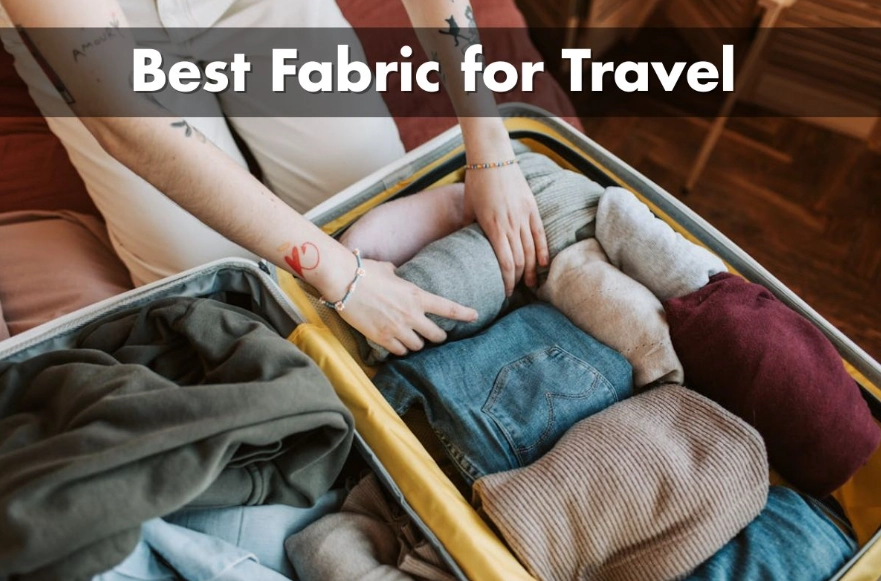
Travel & Wrinkle-Free Needs: This is where modern performance blends earn their keep. Look for shirts labeled "non-iron" or "wrinkle-resistant" made from cotton-polyester blends or advanced microfibers. You can roll them in a suitcase, hang them in a steamy bathroom for 10 minutes, and they're good to go. The International Air Transport Association (IATA) doesn't publish a fabric guide, but any frequent flyer will swear by these.
Weekend & Casual: Have fun. Chambray (a denim's lighter cousin), heavy oxford cloth, flannel (for winter), or even a soft jersey knit cotton for a t-shirt-like feel in a button-up style.
Fabric-Specific Care and Maintenance
Your fabric choice dictates your care routine. Ruining a great shirt in the wash is heartbreaking.
- Premium Cottons & Linens: Wash in cold or warm water on a gentle cycle. Use a mild detergent. Tumble dry on low or, better yet, line dry to prevent excessive shrinkage and wear. Iron while slightly damp for the best results. Linen actually irons more easily at a high heat when damp.
- Silk: Check the label. Most require dry cleaning. Some can be hand-washed very gently in cold water with special detergent. Never wring it out. Roll in a towel to absorb water and lay flat to dry.
- Performance Synthetics/Blends: These are the easiest. Follow the "non-iron" instructions: wash, tumble dry low, and hang immediately. Avoid fabric softener—it can coat the fibers and ruin their moisture-wicking properties.
- Golden Rule: Always unbutton the cuffs and collar before washing. It reduces stress on the threads and buttons.