You bought that modal t-shirt or bedsheet for its incredible softness, right? It feels like a second skin. Then you wash it. A few cycles later, it’s a little less soft, maybe a bit misshapen, or worst of all, it shrank. I’ve been there. I ruined a beautiful modal blend sweater by tossing it in a hot wash, and that frustration is what led me to dig deep into the proper care for this fabric. Modal, made from beechwood pulp, is a fantastic, sustainable material, but it needs a gentle touch. Treat it right, and it stays luxuriously soft for years. Get it wrong, and you’re left with a stiff, sad shadow of its former self. This guide cuts through the generic advice to give you the specific, actionable steps for washing modal fabric perfectly every time.
What You’ll Learn Inside
What Makes Modal Fabric Different?
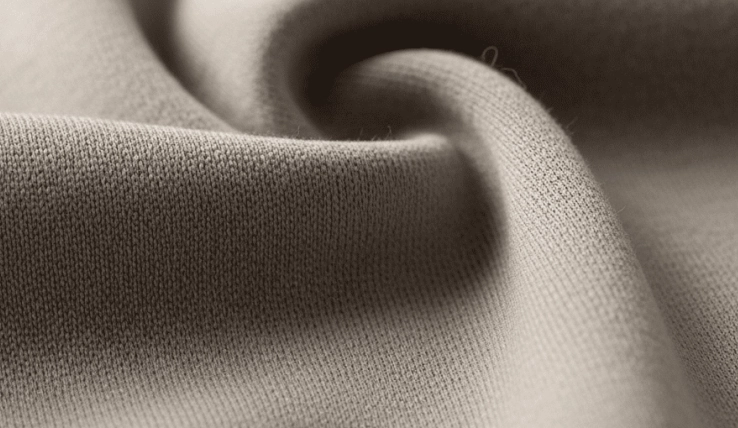
Modal isn't just fancy rayon. It's a type of rayon, yes, but made from beechwood trees using a more environmentally friendly process (Lenzing AG is a major producer). The fibers are extra fine and smooth, which is why it feels so silky and drapes beautifully. This smoothness is also its vulnerability. Heat and agitation can cause those fine fibers to tighten up (shrink) or break and tangle (pilling). Think of it like caring for fine hair versus coarse hair – it needs milder shampoo and cooler water. Most generic "cold wash" advice isn't enough. The real secret lies in managing moisture and avoiding mechanical stress.
The Core Principle: Modal is strong when wet but vulnerable to heat and friction. Your goal is to clean it with minimal agitation and never apply high heat.
The 3-Point Pre-Wash Checklist
Don't just grab everything and dump it in. Two minutes here saves your clothes.
1. Read the Label (No, Really)
I know, it's obvious. But with modal, it's non-negotiable. Look for blends. 100% modal is rare; it's often mixed with cotton, spandex, or polyester. The blend dictates the rules. A modal-spandex blend needs even more gentle handling to preserve elasticity. The label is your first command.
2. Sort by Color and Soil Level
Wash lights and darks separately to prevent dye transfer. More importantly, don't wash a slightly worn modal top with heavily soiled jeans. The abrasive dirt from the jeans can grind against the delicate modal fibers during the wash cycle. Wash modal with similar, lightly soiled items.
3. Fasten and Turn
Zip up zippers, hook hooks, and turn the garment inside out. This protects the outer surface from pilling caused by rubbing against other items or the drum of the washer. It’s the single easiest trick to maintain that smooth feel.
How to Wash Modal Fabric Step-by-Step
Hand Washing Modal: The Gold Standard
For your most prized modal items—luxury underwear, delicate blouses, or modal knitwear—hand washing is best. It gives you total control.
- Fill a basin with cool or lukewarm water. Never use hot water.
- Add a gentle detergent. Use a mild liquid detergent for delicates. Avoid heavy powders that might not fully dissolve.
- Submerge and swish. Gently press the garment through the soapy water. Don’t twist, wring, or scrub vigorously. Let it soak for 10-15 minutes.
- The Rinse. Drain the soapy water and refill with clean, cool water. Press the garment to rinse. Repeat until the water runs clear.
Machine Washing Modal: The Safe Settings
For everyday modal items like t-shirts, pajamas, or bedsheets, the machine is fine if you set it right.
- Detergent: Liquid detergent for delicates or cold-water wash.
- Cycle: Select the Delicate, Hand Wash, or Wool cycle. These cycles use slower agitation and lower spin speeds.
- Temperature: Cold water only. The cold setting is your modal fabric’s best friend.
- Spin Speed: If your machine allows, select a low spin speed (e.g., 600 RPM or less) to reduce stress on the fibers.
The Critical Step: Drying Modal Correctly
This is where most damage happens. The dryer is modal's enemy.
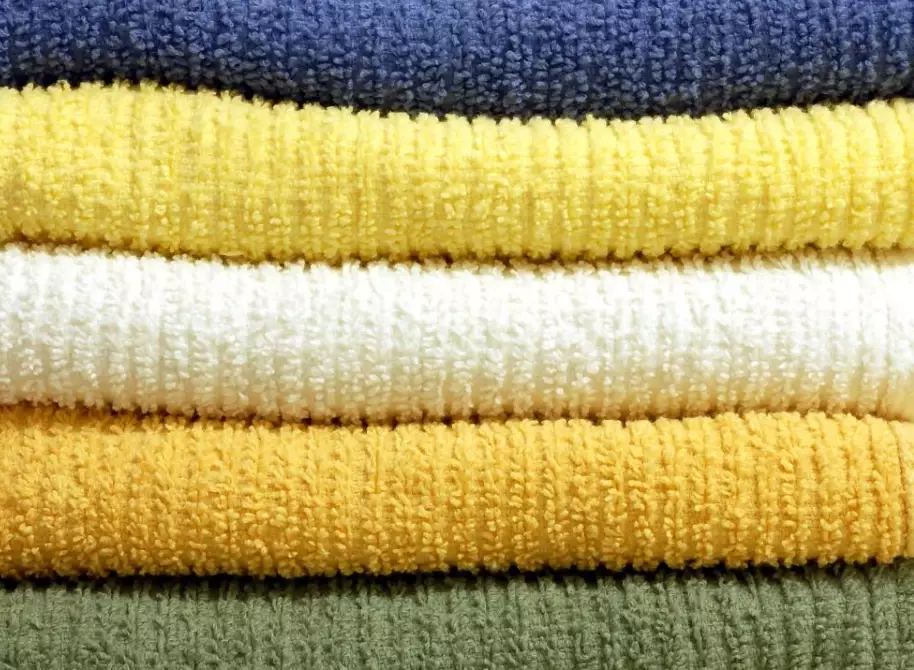
Air Drying is Mandatory. Always air dry modal. Lay the garment flat on a clean, dry towel or a mesh drying rack. Reshape it to its original dimensions. For knits, this prevents stretching. Avoid hanging modal items on a wire hanger or clothesline, as the weight of the water can cause them to stretch out of shape.
What About Tumble Dry Low? Some care labels might say it's okay. I advise against it. "Low heat" is still heat, and the tumbling action is abrasive. The risk of gradual shrinkage and pilling isn't worth the convenience. If you must use a dryer, use the No Heat / Air Fluff setting for a very short time (10-15 minutes) to remove some dampness, then finish by laying flat. Never use dryer sheets, as the coating can reduce modal's moisture-wicking ability and softness.
3 Costly Mistakes You're Probably Making
- Using Fabric Softener. This is a big one. Fabric softener coats fibers, and on modal, it can actually gum up the porous structure that makes it so breathable and soft. Over time, it leads to a weird, waxy feel and reduces absorbency. For softness, use a bit of white vinegar in the rinse cycle instead—it naturally softens and removes detergent residue without the buildup.
- Washing with Heavy, Abrasive Items. Throwing that modal top in with jeans, towels, or canvas items is like sanding it down every wash. The friction causes pilling. Keep a separate laundry bag for delicates if you need to wash them with a mixed load.
- Applying Direct Heat to Stains. Got a stain? Don't reach for the hot water or pre-treat with hot water. Heat can set protein-based stains (like sweat or food) into modal fibers. Always pre-treat stains with a cold water soak and a gentle stain remover before washing.
Decoding Care Label Symbols for Modal
Here’s a quick reference to translate those hieroglyphics on your modal garment’s tag. The Federal Trade Commission mandates care labels, so understanding them is key.
| Symbol | Meaning | Is it Good for Modal? |
|---|---|---|
| 🧺 (Basin with 30°C) | Machine wash at 30°C / 86°F | Yes, but colder is better. This is the maximum safe temperature. |
| 🧺 (Basin with a hand) | Hand wash only | Yes, the safest method. Follow hand wash instructions above. |
| 🧺 (Basin with a line underneath) | Permanent press / Gentle cycle | Yes. This indicates reduced agitation. |
| ❌ (Circle with an X) | Do not tumble dry | Absolutely obey. Air dry flat. |
| ◷ (Square with a circle and one dot) | Tumble dry low heat | Use with extreme caution. Prefer air dry. If used, remove while still damp. |
| ◽ (Square) | Line dry / Dry flat | Yes. Dry flat is ideal for modal knits. |
| ✖ (Iron with an X) | Do not iron | Usually. Modal rarely needs ironing. If you must, use the lowest synthetic setting and iron inside out while slightly damp. |
Your Modal Washing Questions, Answered
Washing modal fabric isn't complicated, but it requires a shift from autopilot laundry habits. It boils down to this: cold water, gentle cycles, no heat drying, and keep it away from rough companions in the wash. Follow these guidelines, and your modal clothing and linens will reward you by retaining that dreamy, cloud-like softness wash after wash. It’s a small amount of care for a huge payoff in longevity and comfort.