Quick Jump
I’ve spent years testing bikinis from dozens of brands, and I’ll be straight with you: the fabric makes or breaks the experience. A bikini that looks amazing on the rack can turn into a saggy, uncomfortable mess after a few swims. So what’s the best fabric for bikinis? Let’s cut through the marketing fluff and get real.
Why Fabric Choice Matters for Your Bikini
Bikinis go through a lot: sun, saltwater, chlorine, sand, and constant stretching. The wrong fabric fades, pills, loses elasticity, or stays wet forever. I’ve seen cheap polyester suits turn stiff after two beach days. On the other hand, a well-chosen blend can last seasons without looking tired. The fabric also affects how the bikini fits your body: some materials move with you, others fight you. If you’ve ever had a wedgie from a too-stiff suit, you know what I mean.
Top Fabrics for Bikinis: A Detailed Breakdown
1. Nylon/Spandex Blends (The Gold Standard)
This is what most high-quality bikinis are made of. Nylon is strong, lightweight, and dries fast. Combined with spandex (usually 15–20%), you get a fabric that hugs your body without digging in. I personally love the buttery soft feel of nylon-spandex—it’s like a second skin. It holds color well and resists fading better than polyester. Downside? It’s not as chlorine-resistant as polyester, so if you’re a lap swimmer, you might want something else (see below). But for beach vacations and casual swimming, it’s unbeatable.
2. Polyester/Spandex Blends (Chlorine Resistant)
Polyester is the workhorse of competitive swimwear. It doesn’t absorb much water, so it stays light and dries in minutes. More importantly, polyester stands up to chlorine way better than nylon. If you swim in pools daily, a polyester-spandex bikini will last three times longer. The feel is slightly less soft than nylon, but modern microfiber polyester feels pretty luxurious. I’ve had a polyester bikini that survived 100+ pool sessions without losing shape—nylon would have given up at 30.
3. Cotton (For Sunbathing Only)
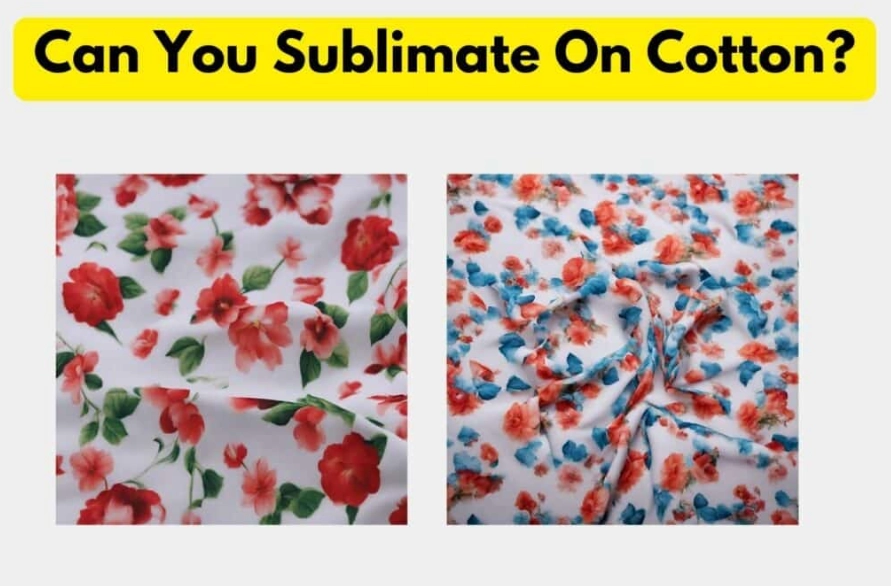
Cotton bikinis look cute on Instagram, but they’re terrible for swimming. Cotton absorbs water like a sponge, becomes heavy, and takes forever to dry. When wet, it stretches out and sags. I once wore a cotton bikini to the beach—big mistake. It clung to me like a wet towel and chafed my skin. Keep cotton for lounging poolside or as a fashion piece. Never for actual water activities.
4. Recycled Fabrics (Eco-Friendly Options)
Sustainable swimwear is trending, and for good reason. Recycled nylon (Econyl) and recycled polyester (Repreve) perform very similarly to virgin fabrics. I’ve tested a few Econyl bikinis— they feel just as soft and stretchy as regular nylon. The catch: recycled fabrics can be slightly less colorfast, and some brands use lower-quality yarn. Stick with reputable sustainable brands that back their materials. Also, note that recycled polyester is still polyester, so it resists chlorine well.
5. Lining Materials (What’s Inside Matters)
Don’t ignore the lining. Many bikinis have a built-in lining for modesty and support. Look for a lining made of the same fabric as the outer shell—or at least a similar blend. Cheap lining can degrade faster, causing the inner layer to peel or bunch up. I always turn the suit inside out to check the lining. If it’s a stiff polyester mesh, skip it. A soft, stretchy lining makes the suit more comfortable and durable.
How to Choose the Best Fabric for Bikinis Based on Your Activity
Let’s match fabric to what you actually do:
| Activity | Best Fabric | Why |
|---|---|---|
| Beach lounging & sunbathing | Nylon/spandex or cotton | Comfort and style matter more than chlorine resistance. |
| Swimming in pools (frequent) | Polyester/spandex (with high chlorine resistance) | Polyester lasts much longer against chlorine damage. |
| Surfing or intense water sports | Nylon/spandex with high spandex content (20%+) | Need maximum stretch and recovery; avoid cotton. |
| Eco-conscious choices | Recycled nylon (Econyl) or recycled polyester | Performance similar to virgin materials, lower environmental impact. |
| Hot tubs & spas | Polyester/spandex | Chlorine and heat degrade nylon faster. |
What to Avoid When Buying Bikini Fabric
After countless disappointments, here’s my list of red flags:
- Too much polyester (over 90%): It can feel stiff and board-like, especially when dry. Some cheap suits use 100% polyester with zero stretch—avoid.
- Low spandex (under 5%): The suit won’t snap back after stretching. You’ll get baggy bottoms and droopy tops.
- Poorly sewn linings: If the lining is a different color or fabric, it might show through or disintegrate early.
- “Shiny” polyester: That cheap glossy finish often fades or peels after a few wears. Stick to matte or textured fabrics.
Care Tips to Make Your Bikini Last Longer
Even the best fabric will fail if you mistreat it. Here’s what I do:
- Rinse in cold water immediately after swimming—salt and chlorine are fabric killers.
- Hand wash with mild soap. Machine washing (even in a bag) wears out spandex faster.
- Never wring or twist—lay flat to dry in the shade. Sunlight destroys elastic fibers.
- Avoid hot tubs if your bikini is nylon-based. The heat speeds up degradation.
- Rotate suits—wear a different bikini each day to give the fabric time to recover.