Let's cut to the chase. If you're holding a piece of 100% pure modal fabric and a sublimation printer, the direct answer is no, you cannot achieve a traditional, permanent sublimation print on it. Trying will waste your time, ink, and fabric. But if you're working with a modal blend, specifically one mixed with polyester, then yes, you absolutely can—and the results can be fantastic. This isn't just a yes/no question; it's a lesson in fabric chemistry. I've seen too many crafters and small business owners ruin good modal because they didn't understand this fundamental mismatch.
What You'll Discover
The Science: Why Pure Modal and Sublimation Are Incompatible
Sublimation isn't magic; it's a specific chemical process. The dye turns into a gas under high heat and pressure and permanently bonds with synthetic polymer chains. The most common polymer it bonds to is polyester.
Modal, on the other hand, is a type of rayon made from beech tree pulp. It's a regenerated cellulose fiber, a natural material at its core. Think of it as a very upgraded, softer, more durable cousin of viscose. Its molecular structure is a smooth, solid chain. There's no open, synthetic polymer network for the gaseous sublimation dye to latch onto and become part of.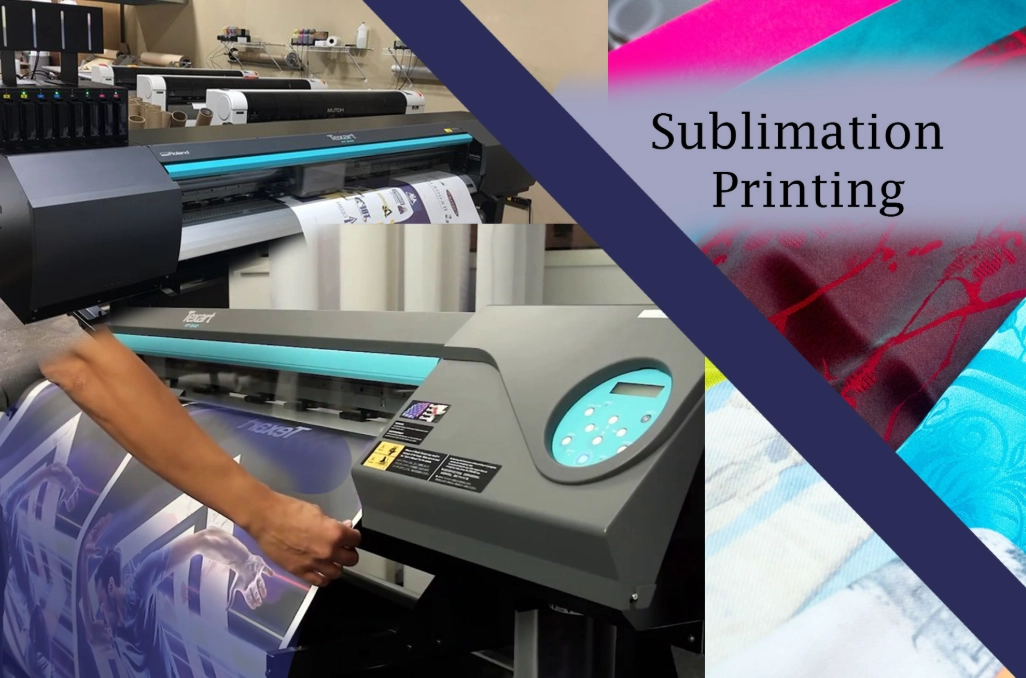
The Common Misconception: Some beginners think a higher heat or longer press time will "force" the dye into the modal. It won't. At best, you'll get a faint, dusty transfer that sits on the surface and washes out completely after one laundry cycle. At worst, you'll scorch or weaken the delicate modal fibers. I learned this the hard way with a batch of premium modal tank tops—ended up with a faint ghost of an image and fabric that felt brittle.
Here’s a quick comparison to cement the idea:
| Fabric Type | Fiber Origin | Sublimation Compatible? | Why/Why Not |
|---|---|---|---|
| 100% Polyester | Synthetic (Petroleum) | Yes - Ideal | Open polymer chains readily bond with gaseous dye. |
| 100% Modal | Natural (Beech Tree Pulp) | No | Smooth cellulose structure; dye cannot form permanent bonds. |
| 50% Modal / 50% Polyester | Blend | Yes - With Conditions | Dye bonds to the polyester portion; final vibrancy depends on blend ratio. |
| 100% Cotton | Natural (Plant) | No (without special treatment) | Similar to modal; requires polymer coating for sublimation. |
The Solution: Mastering Sublimation on Modal-Polyester Blends
This is where the real opportunity lies. Modal-polyester blends are popular for a reason: they merge modal's breathability, softness, and drape with polyester's durability, color retention, and yes—printability. Your success hinges on treating it as a unique material, not just "like polyester."
Step-by-Step: Sublimating a Modal Blend Garment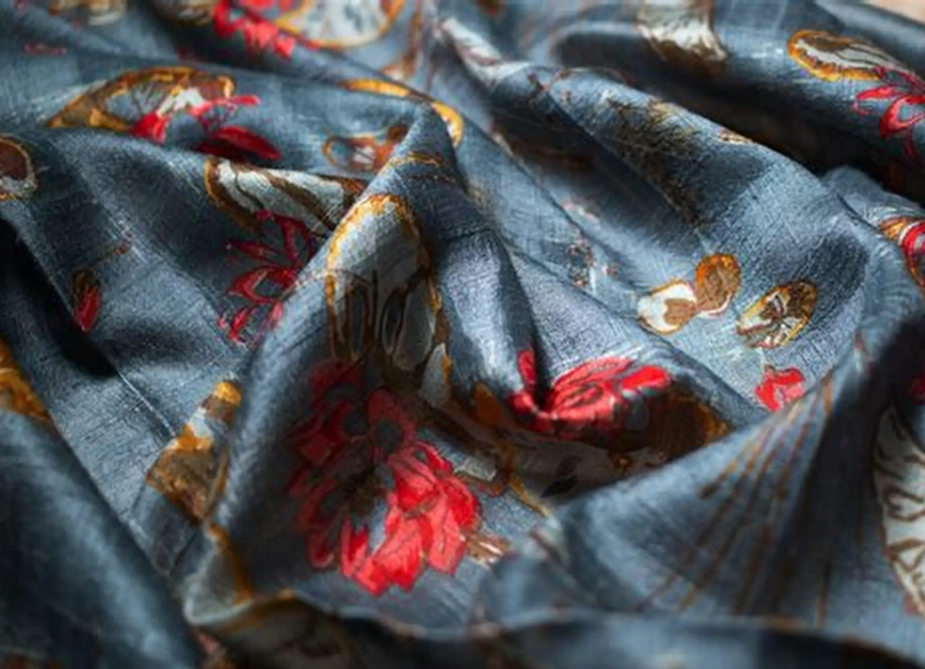
1. Fabric Check & Pre-Press: This is non-negotiable. Check the label. You need at least 30% polyester content for a decent image, with 50% or more being optimal. Pre-press the garment for 5-7 seconds at your target temperature (around 380°F / 193°C) to remove moisture and wrinkles. Modal loves to hold moisture, which can cause blurring.
2. Temperature & Pressure Settings: Err on the side of slightly lower heat and higher pressure. Pure polyester can handle 400°F (204°C). For a modal blend, I drop to 375-385°F (190-196°C). The modal fibers are more sensitive. Use firm, even pressure. A swing-away press is better than a clam-shell here to avoid dragging.
3. Timing: 40-50 seconds is usually sufficient. Over-pressing won't make the colors brighter on the modal parts; it will just risk frying the fabric.
4. The Post-Press Reality: When you peel the paper, the print might look slightly less vibrant than on 100% polyester. That's normal. The white modal fibers interspersed with dyed polyester fibers create a softer, sometimes slightly muted, vintage-like effect. This isn't a failure—it's the characteristic look of a blended fabric print. Many designers actively seek this aesthetic.
Pro Insight: The color outcome is directly tied to the blend ratio. A 50/50 blend will never be as vivid as 100% polyester. Think of it as mixing white paint (modal) with colored paint (dyed polyester). You get a tint. Manage your and your customers' expectations accordingly. Sell it as a feature—a softer, more sophisticated print that complements the luxurious feel of modal.
Plan B: Alternative Ways to Print on Pure Modal
So you're committed to 100% modal? Sublimation is off the table, but you have other strong options.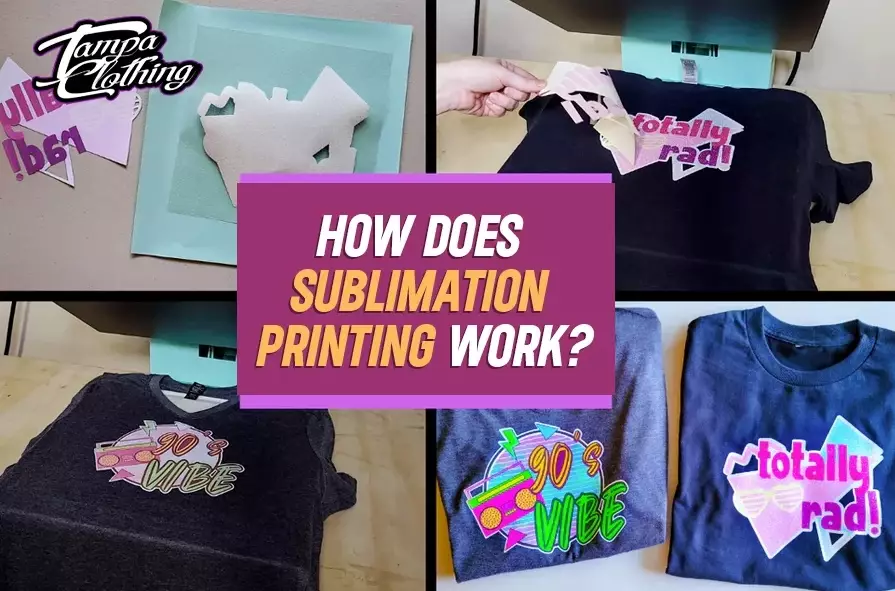
Direct-to-Garment (DTG) Printing: This is the digital king for natural fibers. It works like an inkjet printer, spraying water-based ink directly onto the fabric. It handles fine detail and full-color photographs beautifully on modal. The feel is soft, but the wash durability, while good, isn't quite the "become part of the fabric" level of sublimation. It's also more cost-effective for one-off designs.
Screen Printing with Plastisol or Water-Based Inks: The classic. Great for bold, simple designs and larger runs. Plastisol sits more on top, creating a textured feel. Water-based inks soak in more, offering a softer hand, which pairs well with modal's drape. A study by the American Association of Textile Chemists and Colorists (AATCC) emphasizes the importance of proper ink formulation and curing for cellulose fibers like modal to ensure wash fastness.
Heat Transfer Vinyl (HTV): A solid choice for lettering, logos, or single-color graphics. It's a physical layer applied with heat. While durable, it changes the hand feel of the fabric significantly, adding a distinct layer you can feel. This can undermine the very reason you chose modal—its incredible softness.
My personal preference for pure modal? A well-executed DTG print. It preserves the fabric's hand feel the best.
From My Workshop: Expert Tips & Troubleshooting
Here’s the stuff you won't find in most beginner guides.
The Pre-Press is Everything: I said it before, but it's worth its own section. Modal is hygroscopic. On a humid day, it can hold enough moisture to steam under your press and cause a blurry, ghosted image. Pre-press until you're sure it's bone-dry.
Testing is Not Optional: Never run a full order on a new batch of modal-blend garments without a test print. Dye lots, fabric finishes, and even the knit/weave can affect results. Print a small, detailed graphic and wash it three times. Check for fading or cracking.
Beware of Fabric Whiteners: Many white modal fabrics are treated with Optical Brightening Agents (OBAs) to make them look extra bright. Under the UV light of a sublimation press, these OBAs can fluoresce and cause a slight color shift, often making whites look bluer or yellows less bright. If color accuracy is critical, source untreated fabric.
Dealing with a Faded Print After Washing: If a print on a modal blend washes out, it's almost always due to one of three things: insufficient heat/time during pressing (the dye didn't fully bond to the polyester), too low a polyester percentage, or the use of a low-quality transfer paper not designed for blended fabrics.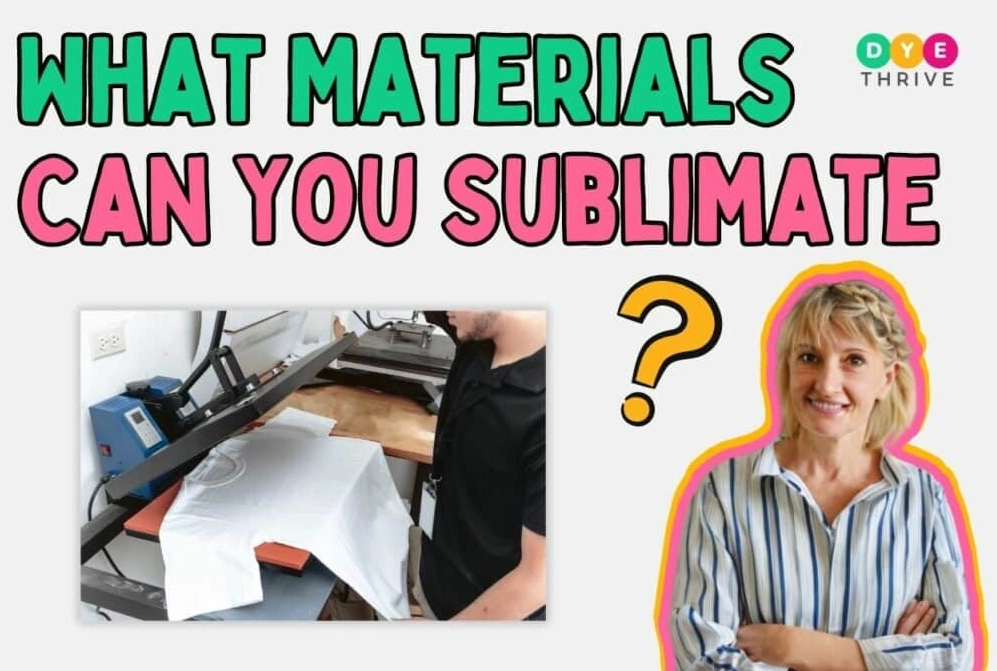
Your Questions, Answered (Beyond the Basics)
I found a "sublimation-ready" modal shirt. What does that actually mean?
It's almost certainly a modal-polyester blend, likely with a high polyester percentage (60% or more). The manufacturer may have also applied a light polymer coating to enhance dye reception. Always check the care label for the exact blend. The term "ready" just means it's formulated for the process, but you still need to dial in your specific press settings.
Will sublimation ruin the soft, stretchy feel of my modal leggings?
If done correctly on a blend, the print itself won't affect the feel because the dye is inside the polyester fibers. However, excessive heat or time can degrade the spandex/Lycra often found in leggings, reducing elasticity. Lower your temperature (365-375°F), reduce time (35-45 seconds), and always do a test on a spare pair or inconspicuous area first.
 Can I use a lower temperature to protect the modal fibers in a blend?
You can, but there's a trade-off. Sublimation dye requires a specific temperature threshold to gasify. Dropping too low (below 370°F / 188°C) risks incomplete dye transfer, leading to weak, washed-out colors that may not be wash-fast. It's a balancing act. Start at the lower end of the recommended range (375°F) and increase only if color vibrancy is insufficient after a wash test.
What's the best way to care for a sublimated modal-polyester garment to make the print last?
Wash it inside out in cold water. Use a mild detergent. Avoid chlorine bleach, which can attack both the dye and the modal fibers. Tumble dry on low heat or, even better, air dry. High heat in the dryer is the second biggest enemy of any printed garment (after bleach). This routine maximizes the life of both the print and the delicate modal fabric.
The bottom line is this: respect the material. Don't force a process onto a fabric it wasn't designed for. Embrace the modal-polyester blend for sublimation—it's a versatile and popular substrate. And if you're dedicated to pure modal, explore the excellent alternative printing methods available. Knowing the limits and possibilities of your materials is what separates a hobbyist from a professional.