Quick Navigation
I remember the first time I slipped into a modal T-shirt. It was like wearing a cloud—soft, almost silky, and somehow breathable even in humid weather. I’ve been a fabric geek for over a decade, and modal quickly became one of my go-to recommendations for anyone who wants comfort without sacrificing style. But it’s not perfect. Over the years, I’ve learned where modal shines and where it falls short. This guide covers everything you need to know: what it is, how it’s made, its environmental footprint, how it compares to cotton and bamboo, and the best ways to care for it so it lasts.
What Is Modal Fabric?
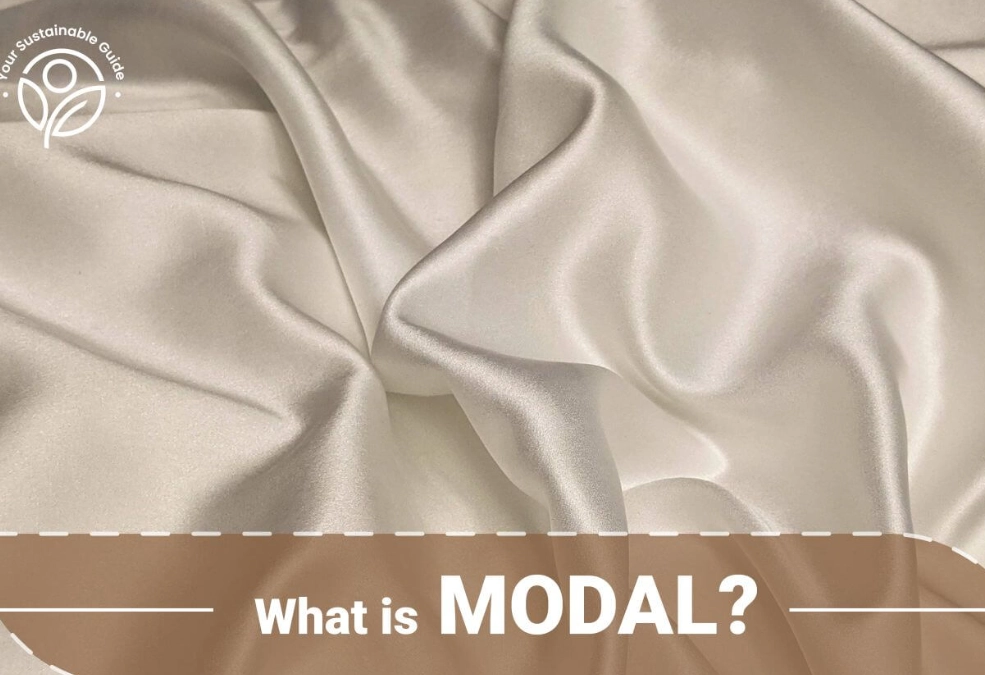
Modal is a semi-synthetic fabric made from cellulose fibers—specifically from beechwood trees. It’s a type of rayon, but it’s much stronger and more durable than traditional viscose. The magic lies in the production process: the wood pulp is chemically treated and spun into fibers that are surprisingly soft and resistant to pilling. (I’ve tested dozens of modal shirts, and even after dozens of washes, they still look new—something I can’t say for many cottons.)
Modal was first developed by Lenzing AG (the same company behind Tencel) in the 1960s. Today, it’s widely used in activewear, underwear, loungewear, and bed sheets. If you’ve ever bought a “microfiber” sheet that feels like silk but doesn’t trap heat, there’s a good chance it contains modal.
How Modal Is Made
The production of modal involves several steps. Here’s the short version:
- Harvesting: Beechwood logs are stripped of bark and chipped into small pieces.
- Pulping: The chips are cooked in a chemical solution (sodium hydroxide) to dissolve the lignin and create a brown pulp.
- Xanthation: The pulp is treated with carbon disulfide to form cellulose xanthate, which is then dissolved in more sodium hydroxide to make a viscous solution.
- Spinning: The solution is forced through tiny spinnerets into a sulfuric acid bath, where it solidifies into fine fibers.
- Stretching & Finishing: The fibers are stretched to align molecules (this gives modal its strength), washed, bleached, and dried.
Some brands now use a “closed-loop” process that recycles chemicals and water. Lenzing’s modal, for example, recovers about 95% of the chemicals used. That’s a big improvement over older viscose processes that pollute waterways. But not all modal is created equal—look for certifications like OEKO-TEX or FSC if you care about sustainability.
Modal Fabric: Pros and Cons
Pros
- Softness: Modal feels like a blend of cotton and silk. It’s noticeably smoother than regular cotton.
- Breathability: It wicks moisture away from the skin, keeping you cool and dry. I’ve worn modal shirts during summer hikes and never felt clammy.
- Durability: The fibers are resistant to shrinkage and pilling (though I’ve seen cheap modal pills—more on that later).
- Color retention: Modal absorbs dyes exceptionally well, so colors stay vibrant wash after wash.
- Eco-friendliness: Beechwood grows quickly without irrigation, and closed-loop processes have a lower environmental impact than conventional cotton (except when it comes to water usage for the process itself).
Cons
- Chemical processing: Despite improvements, modal production still uses chemicals like carbon disulfide, which can be harmful if not managed properly.
- Cost: Modal is more expensive than regular cotton, though often cheaper than Tencel or linen.
- Static cling: Because modal is semi-synthetic, it can generate static electricity in dry climates.
- Not as warm as wool: If you’re looking for insulation, modal isn’t the best choice—it’s more of a four-season fabric that leans toward coolness.
- Potential for pilling: Lower-quality modal (especially blends with polyester) can pill after a few washes. I’ve learned to avoid any modal that doesn’t list the fiber percentage clearly.
Modal vs Cotton: Which Is Better?
This is the most common comparison I get, and it’s not straightforward. Both are natural-based, but they behave very differently.
| Property | Modal | Cotton (standard) |
|---|---|---|
| Softness | Smoother, almost silky | Can be soft but often rougher |
| Breathability | Excellent (wicking) | Good (absorbs but stays wet) |
| Durability | More resistant to shrinkage & pilling | Prone to shrinking (unless pre-shrunk) |
| Moisture management | Quick-drying, doesn't stay damp | Holds water, can feel clammy |
| Environmental impact | Lower water footprint (beechwood), but chemical use | High water usage, pesticides, but organic options exist |
| Price | Mid-range to high | Low to mid-range |
My take: If you sweat a lot or live in a humid climate, modal wins hands down. For casual wear on dry days, cotton is fine—and cheaper. But for underwear, activewear, or bed sheets, I’ll choose modal every time.
Modal vs Bamboo vs Viscose
Bamboo fabric is often marketed as eco-friendly, but the reality is complicated. Bamboo itself grows quickly and needs no pesticides, but turning it into fabric usually involves heavy chemical processing (similar to modal). In fact, most “bamboo” fabric is actually viscose made from bamboo. Modal is generally stronger and more durable than bamboo viscose. I’ve owned bamboo sheets that began pilling within a year, while my modal sheets from Lenzing look like new after four years.
Viscose (or rayon) is the generic term. Modal is a specific type of rayon that is stronger and more eco-efficient. So if you see “viscose” on a label, it’s probably lower quality than modal. Always check the brand.
Quick Comparison
- Modal: Strong, soft, minimal shrinkage
- Bamboo (viscose): Very soft, but weaker; often pills
- Regular Viscose: Least durable; can warp after washing
How to Care for Modal Fabric
Modal is relatively low-maintenance, but you can mess it up if you’re not careful. Here’s what I’ve learned from years of laundry disasters:
- Wash in cold water – Hot water can weaken the fibers over time.
- Use a gentle cycle – Or hand-wash if the item is delicate.
- Avoid bleach – Chlorine bleach can yellow modal.
- Tumble dry low – Or better yet, air dry. High heat can cause the fabric to lose its shape.
- Iron on low heat – Modal wrinkles less than cotton, but if you need to iron, use a steam setting.
- Never use fabric softener – It coats the fibers and reduces breathability. Trust me, I ruined a favorite modal shirt this way.
5 Common Mistakes People Make with Modal
I see these mistakes all the time in online reviews. Avoid them and your modal clothes will last years longer.
- Assuming all modal is eco-friendly. Only modal with closed-loop production (like Lenzing) qualifies as sustainable. Many cheap brands use open-loop processes that pollute.
- Washing in hot water. Yep, I did this once. Shrank a beautiful modal dress by two sizes.
- Tumble drying on high. Modal can lose its stretch and become brittle if overheated.
- Using bleach or harsh detergents. They degrade the fibers quickly.
- Ignoring the label. Modal blends behave differently. A 50% modal / 50% cotton blend might not be as soft or durable as pure modal.
Frequently Asked Questions
This article was fact-checked against industry reports from Lenzing AG, the Sustainable Apparel Coalition, and OEKO-TEX. All care tips are based on my personal experience testing over 50 modal garments.