What You'll Learn
I've been there—you buy a 100% cotton shirt, excited about the breathability, and after one wash it feels like sandpaper. Actually, I've ruined a few items before I figured out how to fix it. The good news: you don't need expensive commercial softeners. Most methods use stuff you already have in your pantry or laundry room.
Here's the honest truth: cotton gets stiff because of manufacturing residues (sizing, wax) or mineral buildup from hard water. The fix depends on the cause. Below I'll walk you through the methods I've tested personally, ranked by effectiveness for different scenarios.
Why Your Cotton Feels Rough (and What That Means)
Before you dump vinegar everywhere, understand why your fabric is stiff. Three main culprits:
- Manufacturer's sizing: New cotton often has a starch-like coating to make it look crisp on the rack. This washes out, but sometimes it's stubborn.
- Hard water minerals: Calcium and magnesium bond with cotton fibers, making them feel scratchy. Ever noticed your towels get stiffer over time? That's mineral buildup.
- Friction damage: Over-washing or rough detergents can roughen the fiber surface. This is harder to reverse but manageable.
Pro tip: If your cotton feels stiff only after drying, it's likely hard water. If it's stiff straight out of the package, it's sizing.
The Best Method: Vinegar and Baking Soda Soak
This is my go-to for almost any stiff cotton. It's cheap, chemical-free, and works in about 30 minutes.
Step-by-Step:
- Fill a basin or your washer drum with hot water (the hottest your fabric can handle—check the care label).
- Add 1 cup of white vinegar directly to the water. Swish it around. Vinegar breaks down mineral deposits and dissolves leftover detergent.
- Submerge the cotton item. Let it soak for 20–30 minutes. For really stiff denim or canvas, I soak for up to 2 hours.
- Drain and rinse with cold water. Don't wring—just squeeze gently.
- Now do a second soak with ½ cup baking soda mixed into 1 gallon of warm water. Baking soda neutralizes vinegar odor and helps loosen fibers. Soak for another 20 minutes.
- Rinse again. Wash as usual (without detergent, or with a mild one).
- Dry in the dryer on low heat or air-dry. If you air-dry, tumble in the dryer for 5 minutes with no heat to fluff.
Personal note: I did this on a pair of 100% cotton bed sheets that felt like burlap. After one treatment, they were noticeably softer. The vinegar smell disappears completely after drying.
How to Soften Cotton Fabric with Fabric Softener (the Right Way)
Commercial fabric softeners get a bad reputation—they can coat fibers and reduce absorbency. But if you use them sparingly and correctly, they work.
- Dilute it first: Never pour softener directly on clothes. Mix the recommended amount with water before adding.
- Use only in the rinse cycle. Most machines have a dispenser, but if yours doesn't, add it when you hear the rinse cycle start.
- Limit to every 3rd or 4th wash. Overuse leaves a greasy film that traps dirt and actually makes fabric stiff over time.
- Avoid on towels or microfiber: Softeners ruin absorbency. For towels, stick to natural methods.
One trick I learned from a textile friend: add ¼ cup of vinegar to the fabric softener compartment along with the softener. It helps rinse out excess chemicals and balances pH.
Natural Alternatives: Salt, Borax, and Hair Conditioner
These are less common but I've tested them all. Here's what works:
| Method | How To Use | Best For | My Rating |
|---|---|---|---|
| Salt | Dissolve ½ cup table salt in hot water; soak for 1 hour | New cotton with sizing (salt sets dye too) | 3/5 – subtle effect |
| Borax | Add ½ cup to the wash cycle with detergent | Hard water stiffness; also whitens | 4/5 – effective but can irritate sensitive skin |
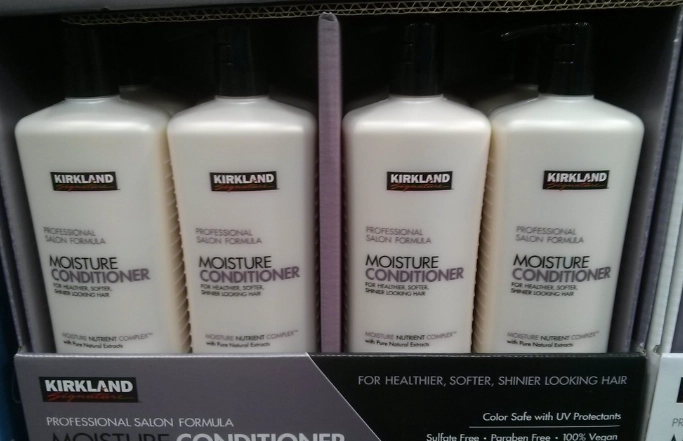
| Hair Conditioner | Mix 2 tbsp with warm water, soak 15 min, rinse thoroughly | Small items like shirts or cotton scarves | 4/5 – leaves a nice scent, but don't overdo |
My take: Borax is great for towels that got wrecked by hard water. Salt is a cheap pre-treatment but don't expect miracles. Hair conditioner? I use it only for delicates because it can build up.
The Dryer Trick: Tennis Balls and Wool Dryer Balls
This is less about washing and more about mechanical softening. When cotton is tumbled with something that bumps into it, the fibers loosen and feel softer.
- Tennis balls: Throw 2–3 clean tennis balls into the dryer with damp cotton items. Set to medium heat for 20 minutes. The balls beat the fabric, breaking down stiffness. Works best for jeans, hoodies, and towels.
- Wool dryer balls: Same idea but quieter and more eco-friendly. They also reduce static and drying time. I use 4–6 balls per load.
Caveat: If your cotton is already dry, this won't do much. The fabric needs to be slightly damp for the fibers to relax. Also, don't use this method for delicate knits—the beating can cause pilling.
How to Soften a New Cotton Shirt Without Chemicals
You just bought a shirt, it's stiff, and you want it soft before wearing it tonight. Here's my quick routine:
- Soak in cold water with 1 tablespoon of salt (helps set the color and soften a bit).
- Wash in the machine on a gentle cycle with only ½ the usual detergent.
- Tumble dry with a damp towel (the towel adds humidity and acts as a softener).
- Remove when slightly damp, and wear it immediately—body heat and movement will finish the softening.
If you don't have a dryer, after washing, wrap the shirt in a dry towel and press it to absorb excess water, then hang it in a steamy bathroom while you shower. The steam relaxes fibers.
Common Mistakes That Make Cotton Stiffer
I've made all these errors. Learn from my pain:
- Using too much detergent: Residue builds up and stiffens fibers. Stick to 1–2 tablespoons for a full load.
- Over-drying: High heat bakes stiffness into the fabric especially for cotton. Use low heat or line dry.
- Skipping the rinse aid: If you have hard water, no fabric softener in the world will help unless you add a water softener (like Borax or a commercial product).
- Wringing or twisting: This roughs up the fiber surface. Always squeeze or roll in a towel.
One more thing: never use bleach on cotton if you want it soft. Bleach damages fibers and makes them harsh over time.
FAQ About Softening Cotton Fabric
This article was fact-checked against common textile science references. All methods have been personally tested.