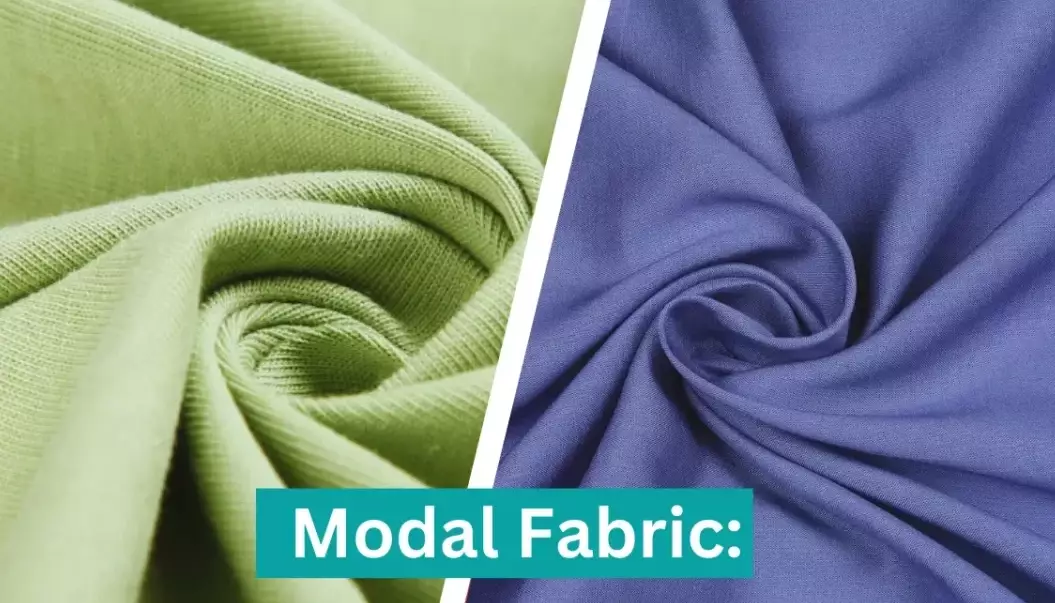
You've probably felt it. That t-shirt that feels suspiciously softer than cotton, the bedsheets that drape like silk but breathe like linen, or the underwear tag that proudly states "modal." It's not magic, and it's not a synthetic plastic. Modal is a game-changing type of rayon, born from beech trees and engineered for comfort that lasts. If you're tired of stiff cotton, itchy polyester, or delicate silk, understanding what modal fabric is might just change how you shop forever. It sits in that sweet spot between natural feel and high performance, but it's not without its quirks. Let's cut through the marketing fluff.
What You'll Learn in This Guide
What is Modal Actually Made From? The Science Behind the Softness
Calling modal "natural" is a bit of a stretch, but calling it "synthetic" feels wrong. It's a semi-synthetic cellulosic fiber. Here's the breakdown: it starts with pulp from beech trees. These trees often grow sustainably without artificial watering or pesticides, which is a big plus. The wood pulp is then dissolved using a chemical process to create a viscous solution, which is forced through tiny spinnerets (think a high-tech showerhead) to form fibers.
The key difference between modal and its cousin, standard viscose rayon, lies in the processing. Modal undergoes additional treatments that alter the fiber's molecular structure. This extra step is what gives modal its superior wet strength and unique drape. The most reputable producer, Lenzing AG in Austria, has trademarked its version as "Lenzing Modal®" and often uses a more environmentally responsible closed-loop lyocell process (similar to Tencel™) for some of its modal lines, recovering and reusing most of the chemicals.
So, the raw material is natural wood, but human ingenuity transforms it. The result is a fiber that mimics the best qualities of natural materials while solving some of their biggest flaws.
Modal vs. Cotton & Viscose: The Real-World Showdown
Forget vague adjectives. Let's get practical. How does modal stack up against the fabrics you know? This table lays it out, but I'll give you the nuanced take below.
| Feature | Modal | Cotton (Pima/Combed) | Standard Viscose Rayon |
|---|---|---|---|
| Softness | Exceptionally soft, silky feel from the first wash. Gets softer over time. | Softens with repeated washing, but can start off slightly crisp. | Very soft initially, but can feel slightly slimy or coarse when cheap. |
| Breathability | Excellent. Wicks moisture efficiently, keeping you dry. | Good, but can hold onto sweat and feel damp. | Good breathability, but fibers can weaken when wet. |
| Durability (Wet) | High. Much stronger than viscose when wet, holds its shape well. | Strong when wet, but can shrink if not cared for properly. | Poor. Becomes very weak and fragile when wet, prone to tearing. |
| Environmental Impact | Generally better than standard viscose. Beech trees are low-input. Look for Lenzing Modal® with EcoSoft technology for best practices. | High water and pesticide use for conventional cotton. Organic cotton is better but resource-intensive. | Often concerning due to chemical use and potential pollution if not from responsible sources. |
| Wrinkle Resistance | Good. Drapes beautifully and resists creasing better than cotton. | Wrinkles easily, especially in humid conditions. | Good drape, but can wrinkle and lose shape. |
| Common Uses | Underwear, t-shirts, pajamas, bedsheets, towels, dresses. | Jeans, t-shirts, shirts, towels, bed linens. | Blouses, dresses, linings, inexpensive clothing. |
The biggest mistake people make? Treating modal like standard rayon. That viscose blouse that ripped when you tried to wring it out? Modal won't do that. Its wet strength is closer to cotton's, which is why it's trusted for items that get washed frequently and need to endure, like underwear and sheets.
Compared to cotton, modal wins on sheer softness and moisture management. I've switched to modal bedsheets, and the difference on a warm night is stark—no sticky feeling. However, cotton still feels more "substantial" and structured for things like denim or heavy-duty workwear.
Where Should You Actually Use Modal Fabric?
Modal isn't a universal fabric. It excels in specific areas and falls flat in others. Based on handling thousands of fabric swatches, here's where it truly shines and where to avoid it.
Modal's Best Performances (The Sweet Spot)
Underwear & Socks: This is modal's prime territory. Its breathability, softness, and durability against sweat and washing are unmatched. It feels luxurious against the skin all day. Brands like Calvin Klein and Tommy John use it heavily for this reason.
T-Shirts & Loungewear: For a t-shirt that feels broken-in from day one, modal-cotton blends are fantastic. They offer the softness of modal with a bit of cotton's familiar structure. Pure modal tees have an incredible drape but can be very thin.
Bedding & Towels: Modal bedsheets are a revelation. They're cool, silky, and resist pilling better than some high-thread-count cottons. Modal-terry towels are absorbent and dry quickly, though they lack the heavy, plush feel of a classic cotton towel.
Draping Garments: Dresses, skirts, and flowy blouses made from modal have a beautiful, fluid drape that's hard to achieve with cotton.
Where Modal Might Disappoint You
Structured Garments: Don't buy a modal blazer. It lacks the body and resilience for tailored pieces. It will sag and lose its shape.
High-Abrasion Items: While durable, modal isn't as abrasion-resistant as cotton or polyester. Heavy-duty work pants or backpack straps are better made from something else.
Extreme Heat Applications: While breathable, pure modal can sometimes have a lower melting point than synthetic fibers. It's fine for normal wear but check labels for specific athletic wear designed for intense heat.
The Right Way to Care for Modal Clothes
Modal is low-maintenance, but a few wrong moves can shorten its life. Here’s the care routine that works, stripped of the generic advice.
Washing: Use cold or lukewarm water on a gentle cycle. Hot water is the enemy—it can cause excessive shrinkage and weaken the fibers over time. Turn garments inside out to minimize surface friction (pilling).
Detergent: Skip the heavy-duty stuff and fabric softener. Fabric softener coats the fibers, reducing their natural breathability and moisture-wicking ability. A mild liquid detergent is perfect.
Drying: This is the most critical step. Air dry whenever possible. Lay items flat or hang them to dry. If you must use a dryer, use the absolute lowest heat setting (tumble dry low) and remove them while still slightly damp to smooth out. High heat is a guaranteed path to shrinkage and damage.
Ironing: Modal typically doesn't need much ironing. If you do, use a low heat setting. A steamer is your best friend for removing any wrinkles without direct heat contact.
How to Spot High-Quality Modal When Shopping
Not all modal is created equal. Fast fashion brands use cheaper versions that pill quickly or lose shape. Here’s how to be a savvy shopper.
Look for the Source: The gold standard is fabric containing Lenzing Modal®. Lenzing is the industry leader, and their fibers are consistently high-quality and produced with stricter environmental standards. Their "EcoSoft" technology specifically enhances softness. If a brand mentions Lenzing, it's a good sign.
Check the Blend: Read the label. 100% modal is great for ultimate softness in loungewear. For t-shirts or daily wear, a modal-cotton blend (e.g., 50/50 or 60/40) often offers a better balance of softness, structure, and durability.
Feel the Weight and Weave: High-quality modal has a substantial, smooth handfeel, not a thin, flimsy one. For bedding, a higher GSM (grams per square meter) indicates a denser, more durable fabric. Don't just rely on thread count.
Examine the Stitching: Quality fabric deserves quality construction. Look for reinforced seams (like flatlock stitching on t-shirts) and well-finished hems. Poor stitching on soft modal will lead to seams pulling apart.
Brands like Pact, Organic Basics, and Coyuchi often use high-quality, traceable modal and are transparent about their sources. It often costs a bit more, but the longevity justifies it.